Shuttle Time Brings Joy to Refugee Children in Malaysia on World Refugee Day
The BWF's Shuttle Time program reached refugee children in Malaysia on World Refugee Day, using badminton as a tool to bring community, activity, and joy.
Badminton Reaches Refugee Children Across Malaysia
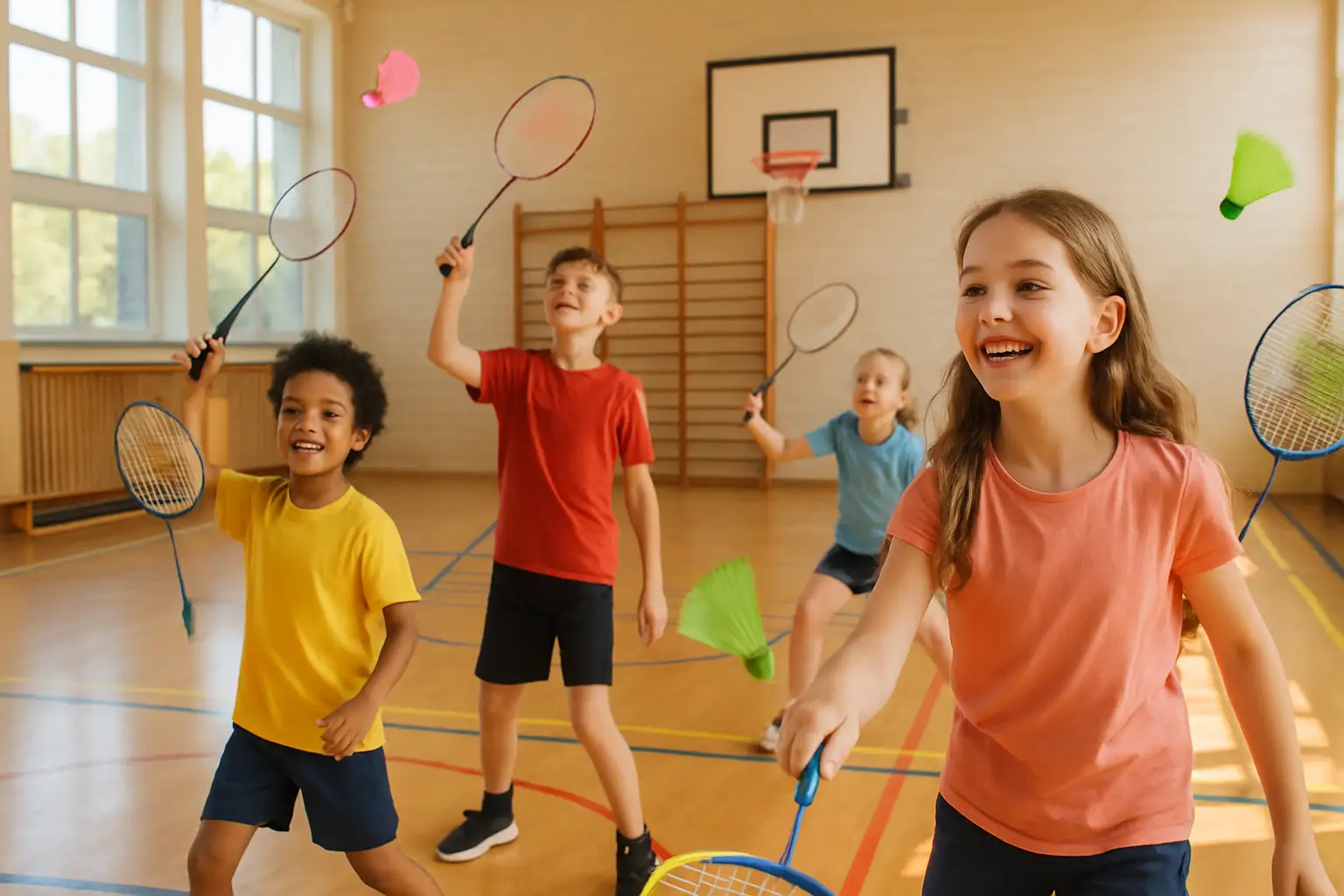
On World Refugee Day, the Badminton World Federation's Shuttle Time program took center stage in Malaysia, delivering badminton sessions to refugee children and using sport as a bridge across language, culture, and circumstance. The initiative, reported by the BWF, highlighted how a simple racket and shuttlecock can open doors for young people who have often been cut off from structured activities and community life.
Shuttle Time is the BWF's school-based badminton education program, designed to introduce the sport to children through simple, accessible sessions that require minimal equipment and space. In Malaysia, the program has been extended to include refugee communities, a population that faces significant barriers to accessing recreational and educational opportunities.
The timing of the sessions around World Refugee Day, observed annually on June 20, was deliberate. It placed sport directly within the global conversation about the lives, dignity, and well-being of displaced people.
Why Badminton Works for Displaced Communities
Badminton is one of the most widely played sports across Southeast and South Asia, regions that account for a large share of refugees currently living in Malaysia. For many of the children taking part in Shuttle Time sessions, the sport carries a sense of familiarity even amid unfamiliar surroundings.
The low barrier to entry matters too. Sessions can be run indoors or outdoors, in community halls or open spaces, and the basic equipment is inexpensive. Shuttle Time coaches are trained to lead inclusive, enjoyable sessions without needing a full court or competition-level gear.
For refugee children, who may face interrupted schooling, limited freedom of movement, and social isolation, the chance to play, move, and interact with peers carries benefits well beyond the physical. Sport provides routine, structure, and a sense of normalcy.
BWF's Broader Commitment to Sport for All
The BWF's involvement in refugee outreach is part of a wider push to make badminton genuinely accessible, not just to competitive players but to anyone who can benefit from the game. Shuttle Time has been deployed in dozens of countries, often in partnership with local sports bodies, schools, and NGOs.
Malaysia hosts one of the largest urban refugee populations in Asia, with the United Nations High Commissioner for Refugees registering over 180,000 refugees and asylum seekers in the country, the majority from Myanmar. They have no legal right to work and their children are largely excluded from the national school system, making community programs like Shuttle Time particularly valuable.
By aligning the sessions with World Refugee Day, the BWF drew attention to this population and to the role that sport organizations can play beyond medals and rankings. The message was straightforward: badminton belongs to everyone, including those who have been forced to flee their homes.
Coaches and volunteers who led the sessions gave refugee children a chance to learn basic skills, compete in friendly games, and simply enjoy themselves, outcomes that are easy to overlook in high-level sports coverage but carry real weight for the communities involved.

Badminton Correspondent
Priya Nair covers badminton for 21.news, from BWF World Tour results to player form, rankings and tactics.