League of Legends Pro at 30 Named in TIME's Most Influential in Sports
A 30-year-old League of Legends competitor has earned a spot on TIME magazine's list of the most influential people in sports, spotlighting esports' growing mainstream recognition.
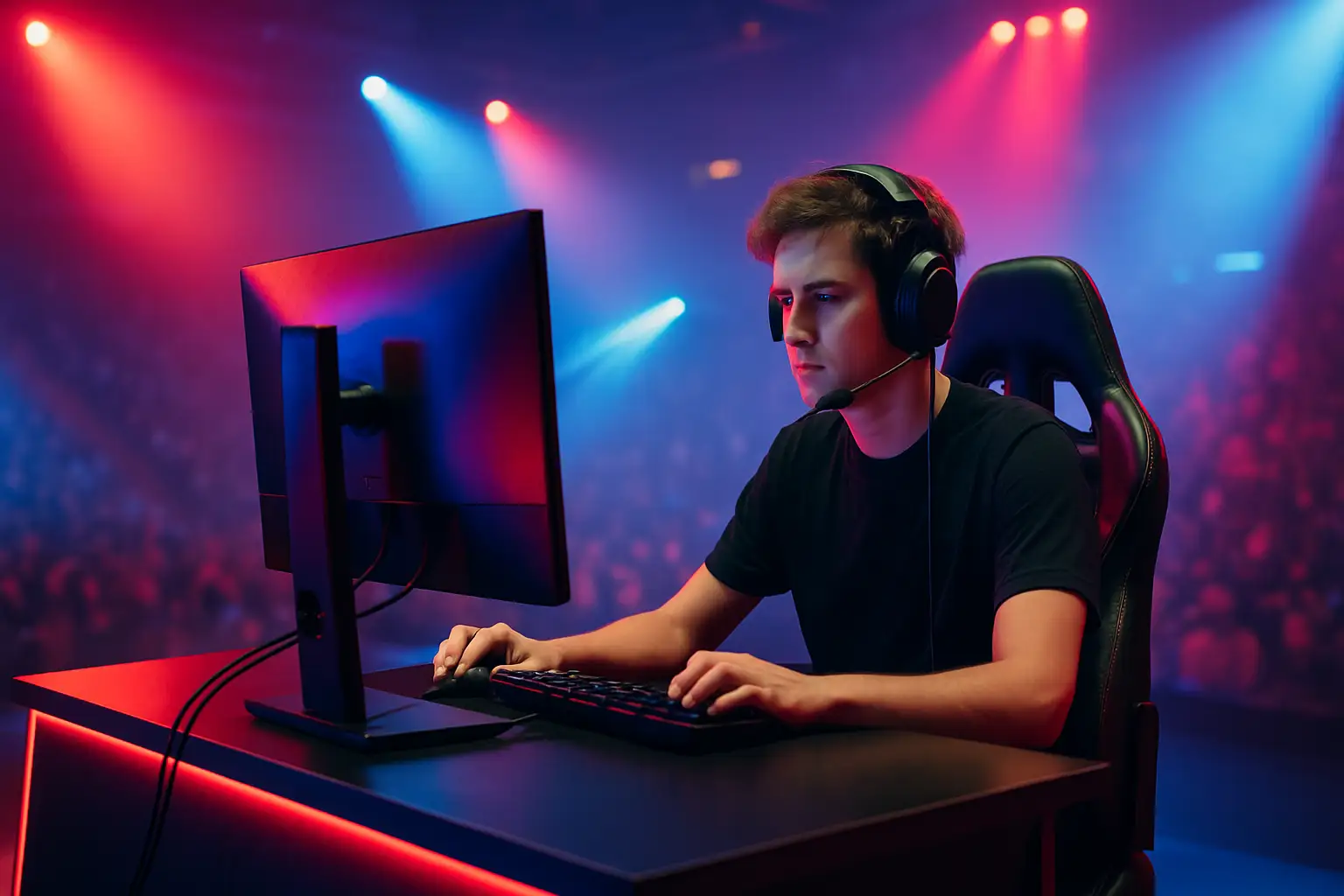
League of Legends Player Earns Spot on Major Sports List
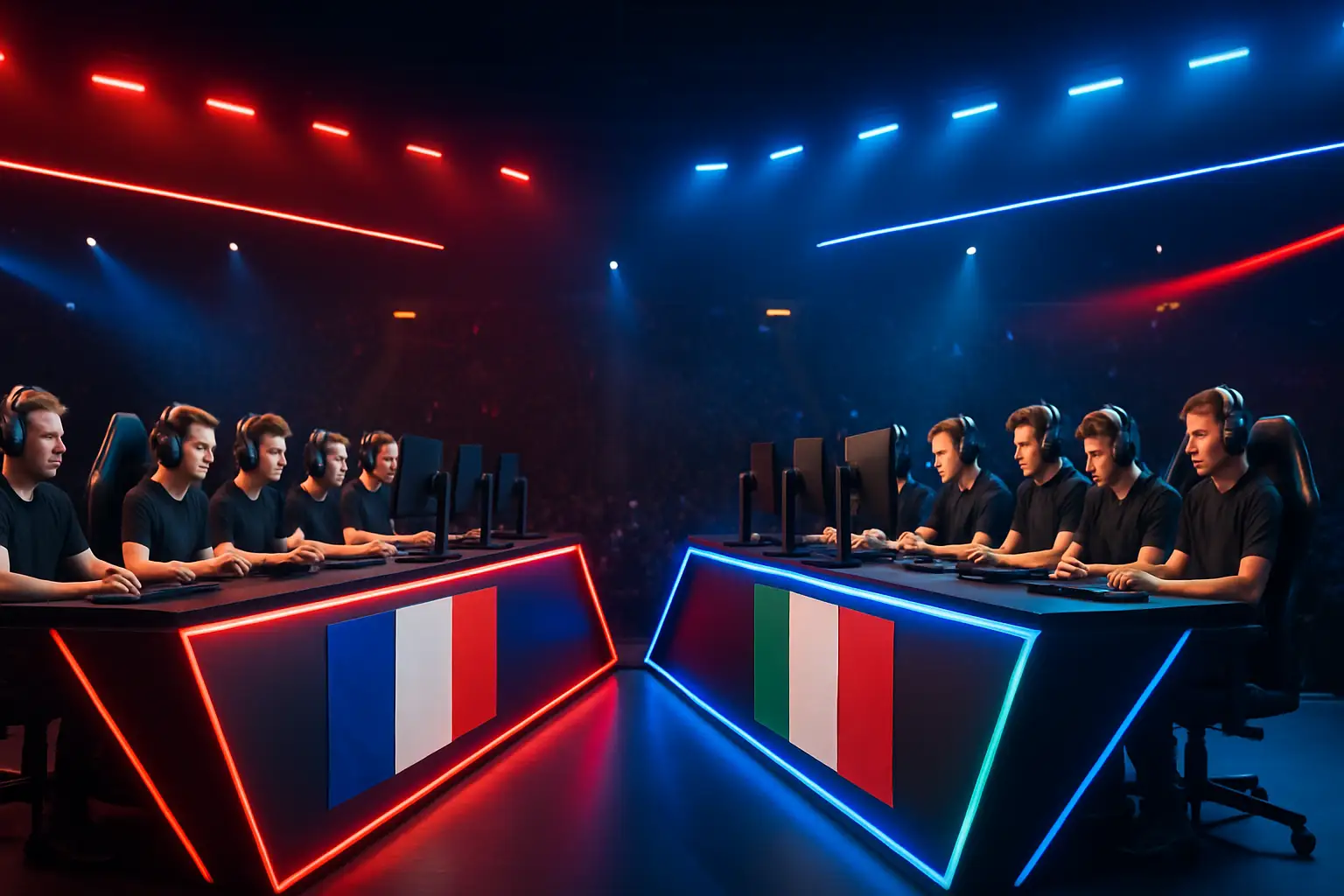
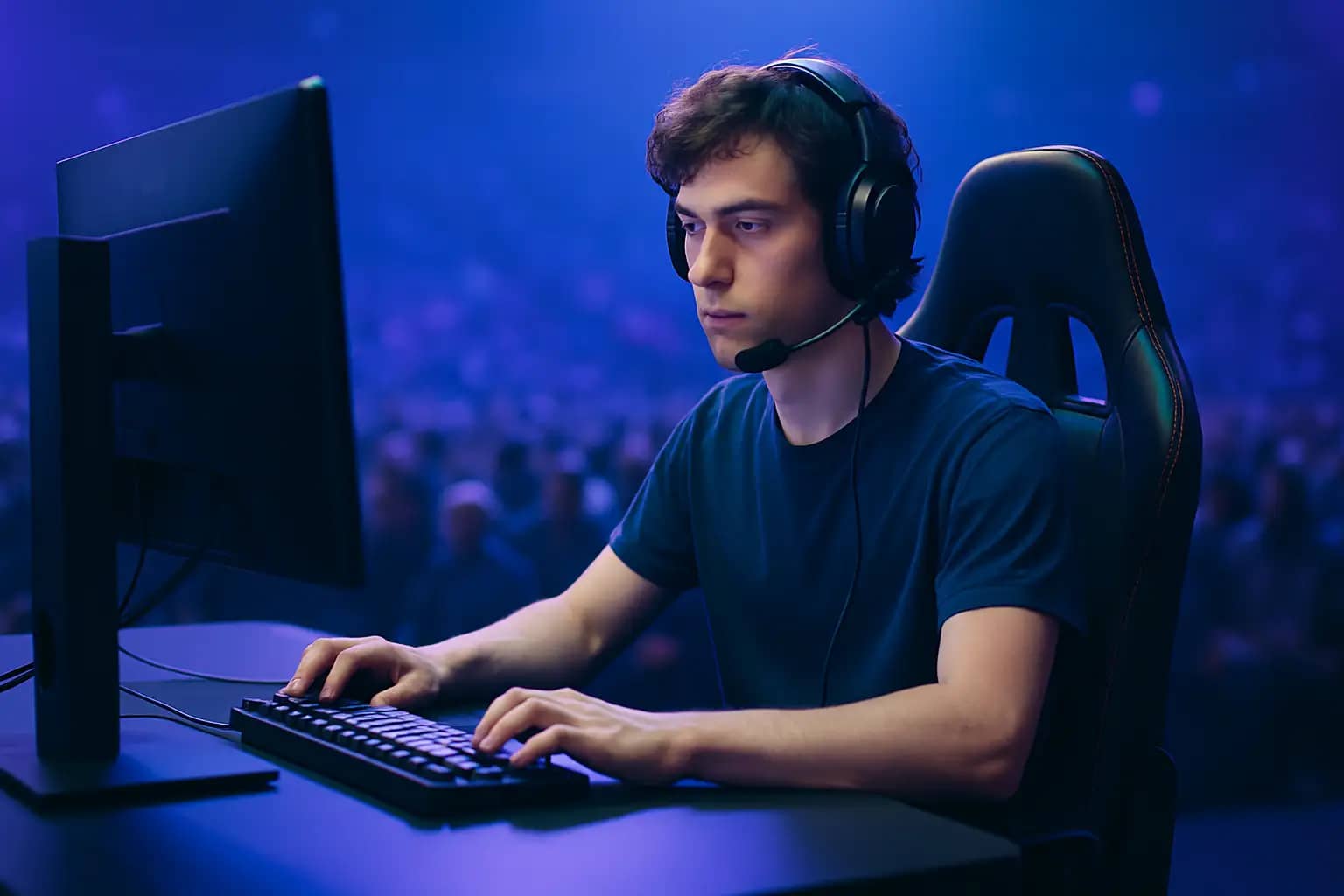
A 30-year-old professional League of Legends player has been recognized by TIME magazine as one of the most influential people in sports, according to reporting by FanBuzz. The inclusion marks another concrete sign that competitive gaming is no longer treated as a footnote when editors and publishers assess the broader sports landscape.
The honor places the player alongside athletes from traditional sports disciplines, a pairing that would have seemed unlikely just a decade ago. TIME's list carries significant cultural weight, and a slot on it signals that the publication's editors view esports figures as genuine forces shaping how audiences around the world consume and think about competition.
Details on which specific player received the recognition were not independently confirmed beyond the FanBuzz report, but the broader story is clear: professional gaming, and League of Legends in particular, has reached a level of visibility where its top competitors can stand beside household names from football, basketball, and tennis.
Why This Matters for Esports
League of Legends, published by Riot Games, has been one of the most-played PC games on the planet for well over a decade. Its professional circuit, the League of Legends Championship Series in North America and equivalent leagues across Europe, South Korea, and China, draws tens of millions of viewers to major tournaments each year. The World Championship consistently pulls viewership numbers that rival traditional sporting finals.
For a player from that ecosystem to appear on a TIME sports list is a meaningful milestone. It reflects a gradual but steady shift in how mainstream media outlets categorize and cover competitive gaming. Esports organizations have long argued that their athletes train as rigorously as any professional in a traditional sport, managing physical conditioning, mental performance coaching, and demanding travel schedules.
The age detail is notable in its own right. Thirty is considered relatively veteran territory in professional League of Legends, where many players peak in their early-to-mid twenties and retire before 30. Longevity at the top level of the game requires sustained adaptation as metas shift, rosters change, and younger competitors constantly enter the scene.
Esports Recognition Has Been Building
This is not an isolated moment. Over the past several years, esports athletes have appeared in sports-focused media coverage with increasing frequency. Major sports broadcasters have added dedicated esports desks, and sponsorship deals now routinely connect competitive gaming teams with brands that previously focused exclusively on traditional athletics.
Inclusion on a TIME list, however, carries a different kind of cultural signal. TIME's annual compilations are editorial judgments about impact and influence rather than pure performance metrics. Being named alongside coaches, commissioners, and athletes who move markets and shape public conversation suggests the player in question has done something beyond winning matches.
FanBuzz, which originally reported the recognition, covers sports and entertainment content across a wide range of competitive disciplines, and its coverage of this story underlines the crossover audience that now follows both traditional and competitive gaming sports.
What Comes Next for Competitive Gaming's Profile
The recognition of a League of Legends professional by a publication like TIME adds pressure on other mainstream outlets to take esports coverage seriously. Sports desks at major newspapers and broadcasters have historically been slow to assign the same resources to esports events as they do to, for example, a golf major or an NBA playoff series.
That gap is narrowing. Prize pools in games like League of Legends, Dota 2, and Valorant now reach into the millions of dollars. Franchise league models have attracted investment from traditional sports team owners. And players themselves have built personal brands, social media audiences, and business ventures that extend well beyond any single tournament result.
A spot on TIME's most influential list does not resolve every debate about whether esports belongs in the same conversation as traditional sports. Those debates will continue. But it does make the conversation harder to dismiss.

Football Correspondent
Alex covers football and the global game with fast, sharp analysis.