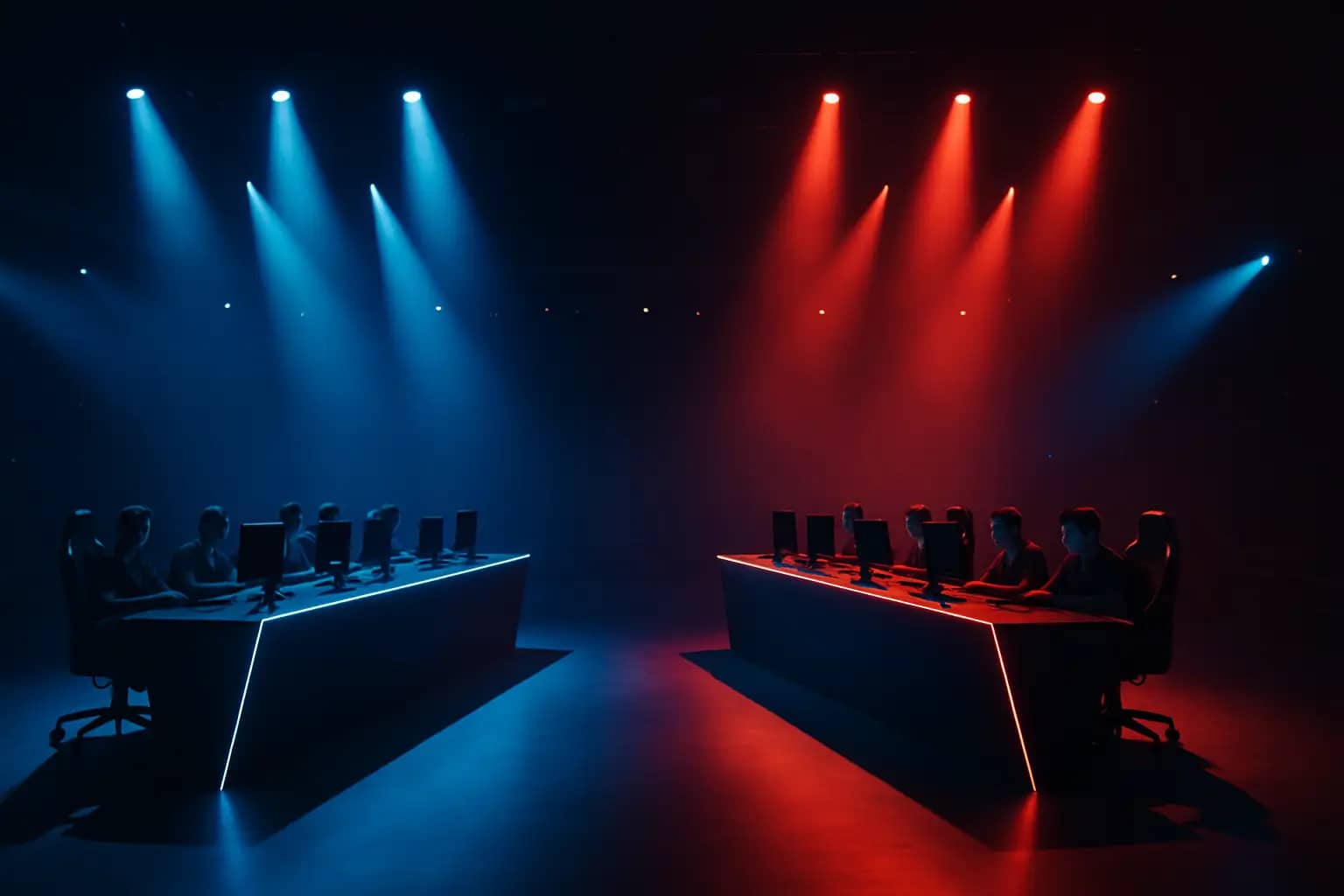
LoL Esports Continues to Shape Competitive League of Legends
LoL Esports remains the central hub for competitive League of Legends coverage, tracking tournaments, rosters, and results across global leagues.

LoL Esports Keeps Competitive League of Legends in Focus
LoL Esports is the official platform covering competitive League of Legends at every level, from regional leagues to the global stage. For fans tracking standings, match results, and roster moves, it serves as the primary source of record for the professional scene.
League of Legends has maintained one of the largest organized esports ecosystems in the world for over a decade. The competitive structure runs through regional leagues in North America, Europe, South Korea, China, and beyond, feeding into international events that draw millions of viewers online.
The LoL Esports platform aggregates coverage of all these competitions in one place, giving fans and analysts a single destination for schedules, team pages, and live match data.
What the Platform Covers
At its core, LoL Esports tracks the full competitive calendar for League of Legends. That includes regular season matches within regional leagues, playoff brackets, and the major international tournaments that cap each competitive split.
Team and player profiles give followers a way to trace careers across organizations and regions. Roster changes in professional League of Legends happen frequently, and having centralized records makes it easier to follow how rosters evolve over a season.
Match history and statistics are also a significant part of what the platform offers. Analysts, fantasy esports participants, and casual viewers all rely on accurate game data to understand performance trends and predict outcomes heading into playoff runs.
The Broader Competitive Scene
Competitive League of Legends operates on a split system, with teams competing across two main periods each year. Strong finishes earn teams points and seeding for their respective regional championships, which in turn determine which organizations qualify for international play.
The international tournaments, particularly the World Championship held each autumn, are the sport's marquee events. Teams from every major region compete for the title, and the event consistently ranks among the most-watched esports broadcasts globally.
LoL Esports coverage extends to these events with dedicated sections, live broadcast links, and post-match breakdowns that help audiences stay connected regardless of time zone.
Why Centralized Coverage Matters
With so many leagues running simultaneously across different regions, keeping up with professional League of Legends without a centralized resource is genuinely difficult. Matches happen across wildly different time zones, and the sheer volume of games each week can overwhelm even dedicated fans.
Having one platform that aggregates schedules and results reduces the friction of following the sport. It also gives newer fans an entry point, with team backgrounds and league explanations that provide context for what they are watching.
For the competitive ecosystem as a whole, consistent and accessible coverage supports viewership growth and keeps existing fans engaged between major tournaments. The health of any esport depends partly on how easy it is for fans to follow the action, and LoL Esports addresses that directly by centralizing information around one of gaming's most enduring competitive titles.

Football Correspondent
Alex covers football and the global game with fast, sharp analysis.