Riot Games Expands Global Esports Distribution Deal with Kick
Riot Games has announced a new distribution partnership with streaming platform Kick, broadening the reach of its esports broadcasts to audiences worldwide.

Riot Games and Kick Team Up for Esports Broadcasts
Riot Games has struck a distribution agreement with Kick, the live-streaming platform that has grown rapidly as a competitor in the streaming space. The partnership is aimed at expanding the global reach of Riot's esports content, giving fans additional ways to watch competitions across the publisher's titles.
The move signals a clear shift in how Riot is thinking about broadcast strategy. Rather than relying on a single platform to carry its events, the company is pushing toward a multi-platform model that puts its content in front of as many viewers as possible.
Kick, which has attracted a large and growing user base since its launch, gives Riot access to audiences that may not regularly use existing broadcast partners. For esports organizations and fans alike, more distribution points generally translate to higher viewership numbers and broader sponsorship appeal.
What the Partnership Means for Riot Esports
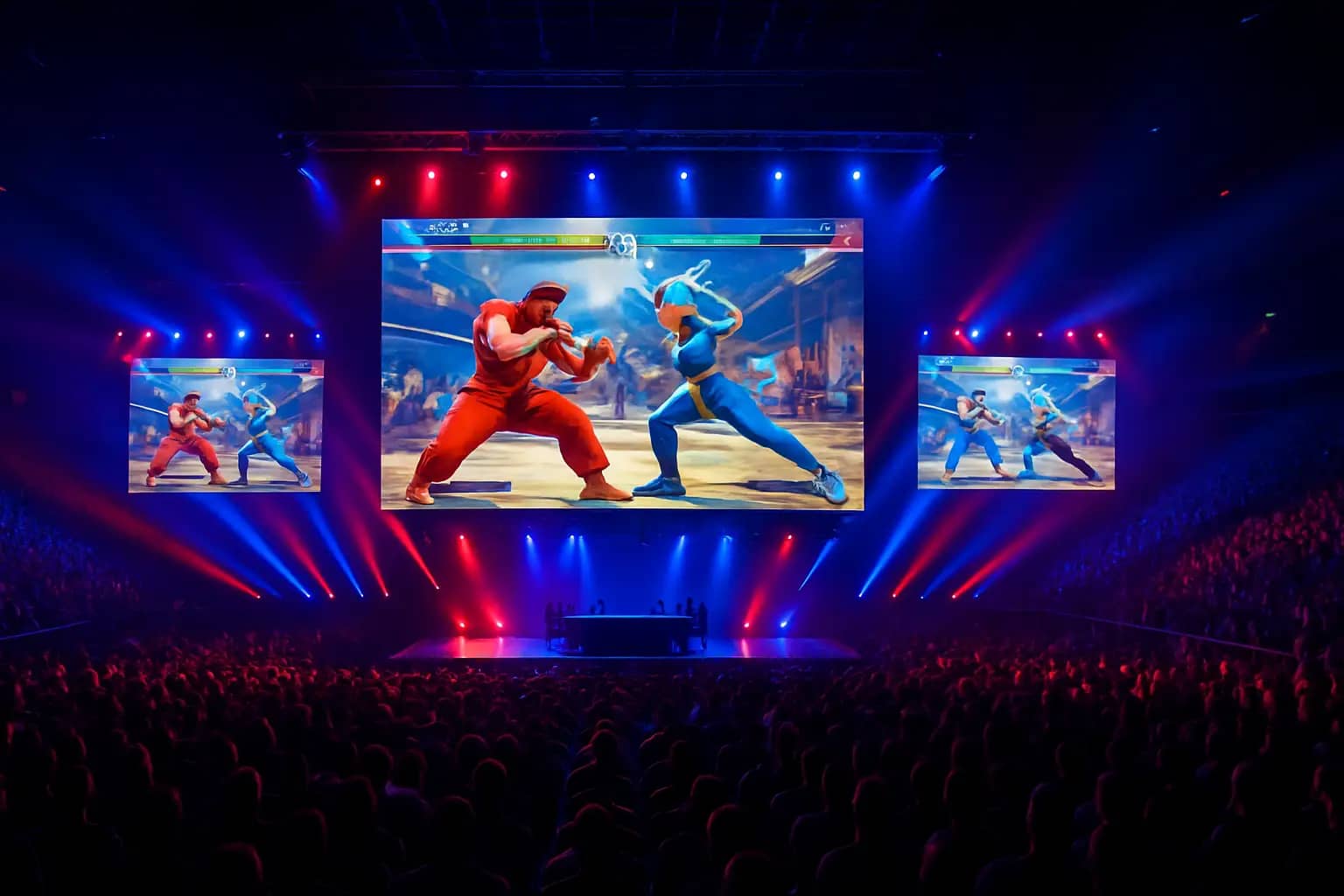
Riot Games operates some of the most-watched esports leagues in the world, including competitions centered on Valorant, League of Legends, and other titles in its portfolio. Distributing those events through Kick adds another live destination alongside existing streaming arrangements.
The company has not been alone in exploring new streaming homes for esports content. Across the industry, publishers and tournament organizers have been re-evaluating where their audiences are and which platforms offer the best combination of reach, monetization tools, and community features.
For Kick, landing a partnership with a publisher of Riot's scale is a significant endorsement. It positions the platform as a credible home for premium esports content, not just individual creator streams.
Riot announced the deal through its official channels, framing it as part of a broader strategy to grow its global esports footprint. The company did not specify which individual leagues or events would be distributed through Kick, or whether the arrangement covers all regions equally.
Distribution Strategy Reflects Broader Industry Trends
The esports industry has spent the past several years grappling with questions about where live competitive content belongs. Exclusive deals with single platforms defined much of the early growth period, but those arrangements have proven difficult to sustain at scale. Audiences are fragmented across Twitch, YouTube, and newer entrants like Kick, and locking content to one destination can limit total reach.
Riot's approach with Kick fits a pattern seen elsewhere in the space, where rights holders spread content across multiple platforms simultaneously or in different regional windows. The goal is simple: reduce friction for fans and maximize the number of people who can tune in without switching services.
Kick's business model and fee structure for streamers has drawn creators away from other platforms, helping it build a library of live content quickly. Adding structured esports programming from an established publisher like Riot gives the platform a more predictable content calendar, which can be attractive to advertisers and sponsors looking for brand-safe inventory.
The partnership also comes at a time when Riot has been actively investing in the international growth of its competitive scenes. Valorant in particular has seen league structures expand across multiple regions, and wider distribution supports that global ambition.
Details on specific broadcast schedules, regions covered, and whether Kick will serve as a co-streamer or primary rightsholder for any events were not included in Riot's announcement. Fans looking for specific scheduling information will need to monitor official league channels as those details are confirmed.

Football Correspondent
Alex covers football and the global game with fast, sharp analysis.