VALORANT Fans and Death Threats: Parasocial Behavior Crosses the Line
Toxic fan behavior in VALORANT esports is escalating, with death threats and parasocial obsession raising serious concerns about player welfare across the competitive scene.
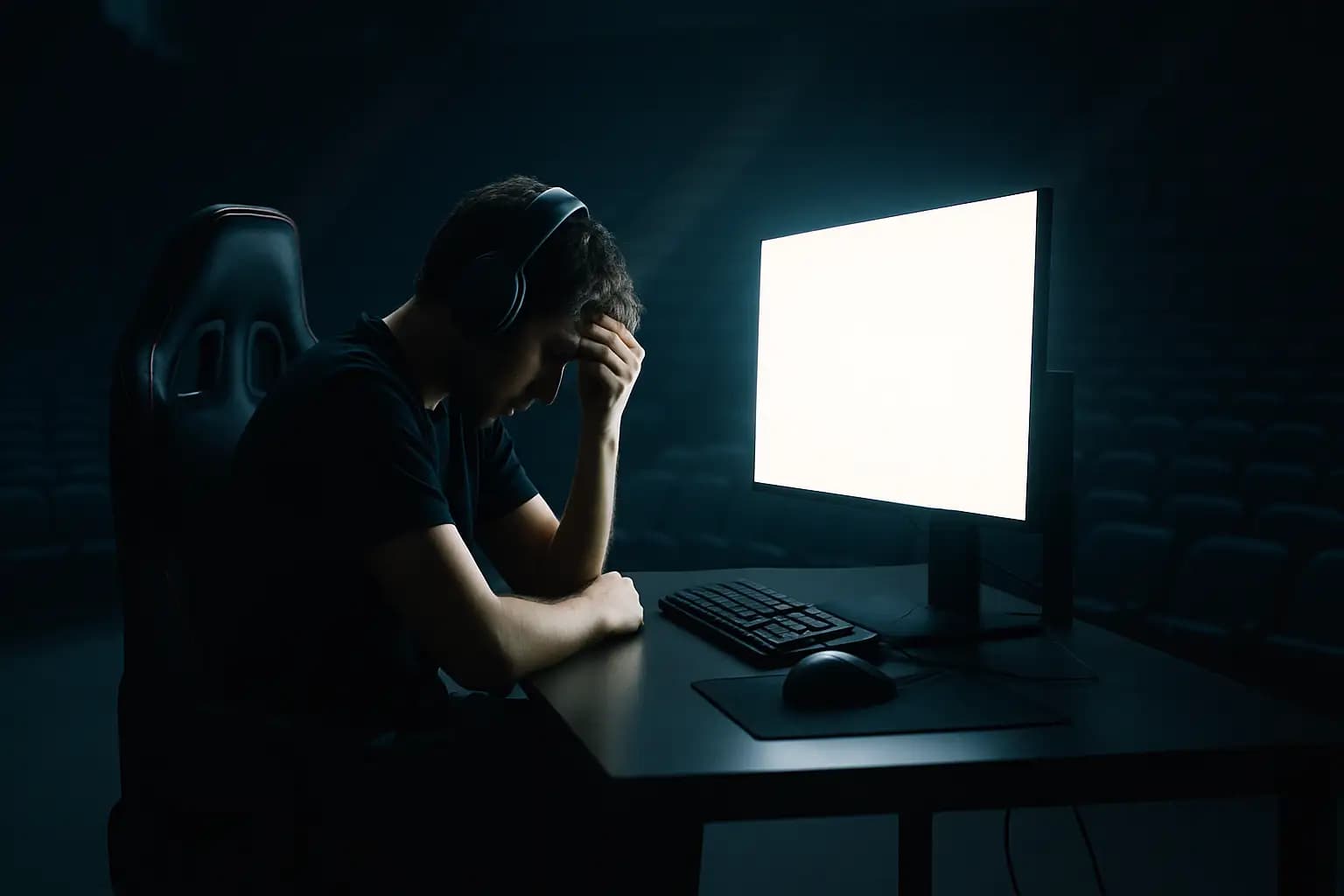
Death Threats in VALORANT Esports Are No Longer an Isolated Problem
Parasocial behavior among VALORANT esports fans has reached a point where players are receiving death threats, according to reporting by Esports Insider. What was once dismissed as fringe toxicity is now being recognized as a structural problem within the competitive VALORANT community, one that is putting real pressure on professional players and the organizations around them.
Parasocial relationships, where fans develop one-sided emotional attachments to players or personalities they follow online, are not unique to gaming. They exist across sports, music, and entertainment. But the nature of esports, built on streaming, social media, and constant online interaction, creates unusually close perceived bonds between players and their audiences. When those bonds sour, the fallout can turn personal and dangerous.
Players in the VALORANT competitive circuit are increasingly vocal about the harassment they face. Death threats represent the extreme end of a wider pattern of abusive behavior that includes targeted harassment campaigns, invasive personal contact, and coordinated online pile-ons following disappointing match results or roster decisions.
Why VALORANT's Community Culture Amplifies the Risk
VALORANT's esports ecosystem is built around accessibility. Players stream regularly, interact with fans on platforms like X and Discord, and are encouraged to maintain public personas that keep audiences engaged. That openness, while good for viewership and community growth, also narrows the distance between professional players and the people watching them.
When a team loses a key match or a player underperforms, some fans respond as though they have been personally wronged. The parasocial investment they have made in a player's career tips into entitlement, and for a small but vocal segment, that entitlement becomes aggression. The player is no longer a competitor to support but a target to punish.
This pattern is not hypothetical. Esports Insider's coverage highlights that behavior in the VALORANT scene has moved well beyond heated criticism into territory that would be treated as criminal harassment in other contexts. Death threats sent to players via social media or direct message carry real psychological weight, regardless of whether the sender intends to act on them.
Organizations, tournament operators, and platform holders have a shared responsibility here. Players facing targeted threats often have limited formal support structures, and reporting mechanisms on social media platforms remain inconsistent. A death threat sent to a professional footballer would typically involve law enforcement and club security. The same seriousness is rarely applied when the target is an esports athlete.
The Line Between Passion and Harm
Fan passion is part of what makes esports worth watching. Rivalries, heated debates, and intense loyalty to teams and players drive engagement and give competitions their emotional stakes. None of that requires harassment to function, and the two are not the same thing.
The conflation of intense fandom with abusive behavior is a problem in itself. When toxicity becomes normalized, it raises the barrier for victims to speak up and lowers the threshold for what the community considers acceptable. Players who go public with the threats they receive often face secondary criticism for being too sensitive or for damaging a team's reputation by speaking out.
That dynamic needs to change. Esports organizations should establish clearer policies for player welfare when harassment occurs, including connecting affected players with legal or psychological support. Riot Games, as the developer and a central figure in the VALORANT competitive ecosystem, is positioned to set standards that other stakeholders follow.
Fan communities themselves also carry responsibility. Moderators of official and unofficial VALORANT spaces can set and enforce norms that make it clear threats and targeted harassment are not tolerated, regardless of how frustrated someone is after a loss.
The broader conversation around parasocial behavior in esports is not going away. As VALORANT's competitive scene continues to grow and more players build large public followings, the conditions that enable this kind of fan behavior will expand alongside it. Addressing it now, before it becomes an accepted cost of competing professionally, is the only approach that protects the people at the center of the sport.
Esports Insider's reporting on this issue puts a necessary spotlight on a pattern that the industry has been slow to confront head-on.

Football Correspondent
Alex covers football and the global game with fast, sharp analysis.