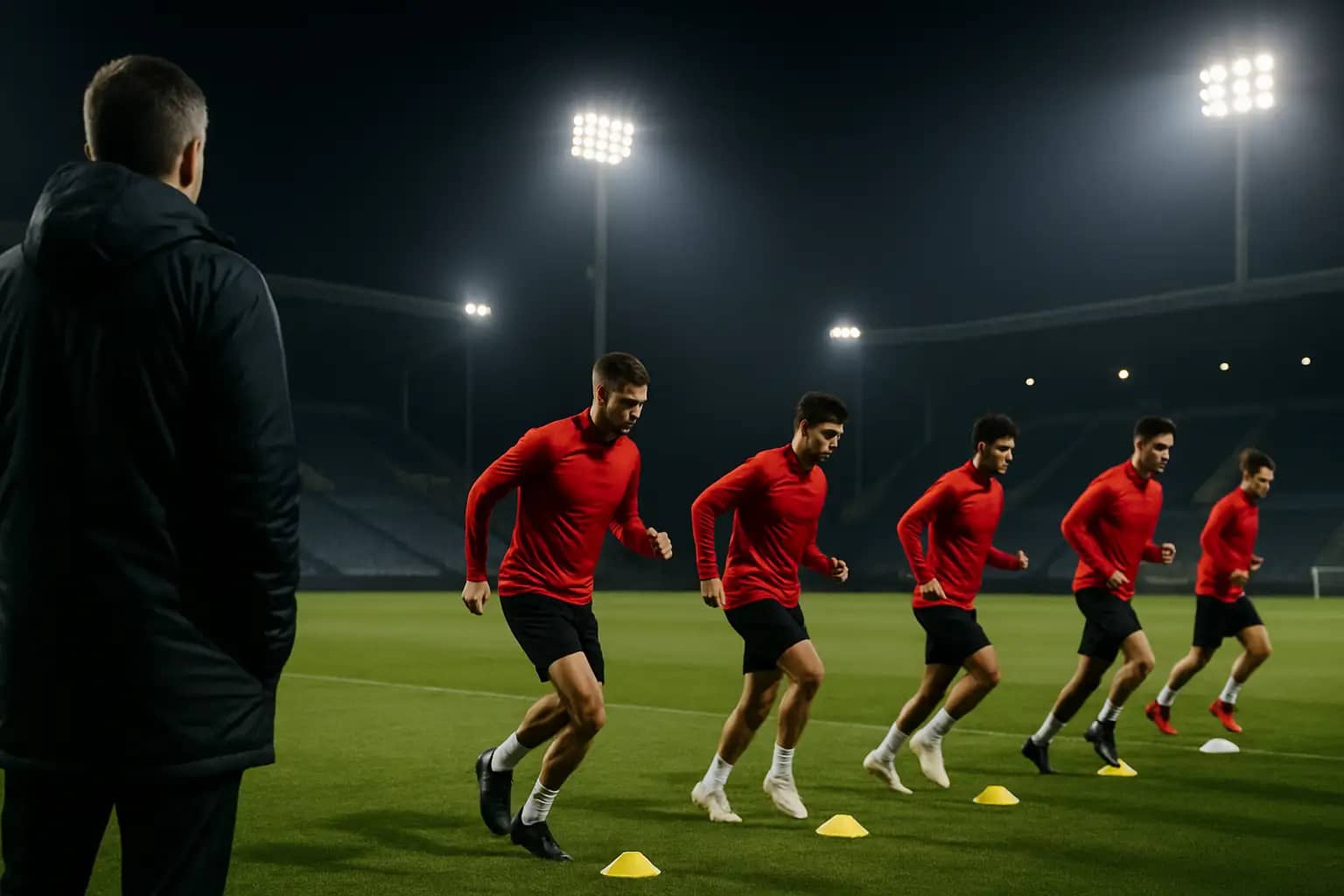
England Aim for Premier League Style at the World Cup
England are targeting a Premier League-inspired brand of football at the upcoming World Cup, but replicating that tempo on the global stage carries real challenges.
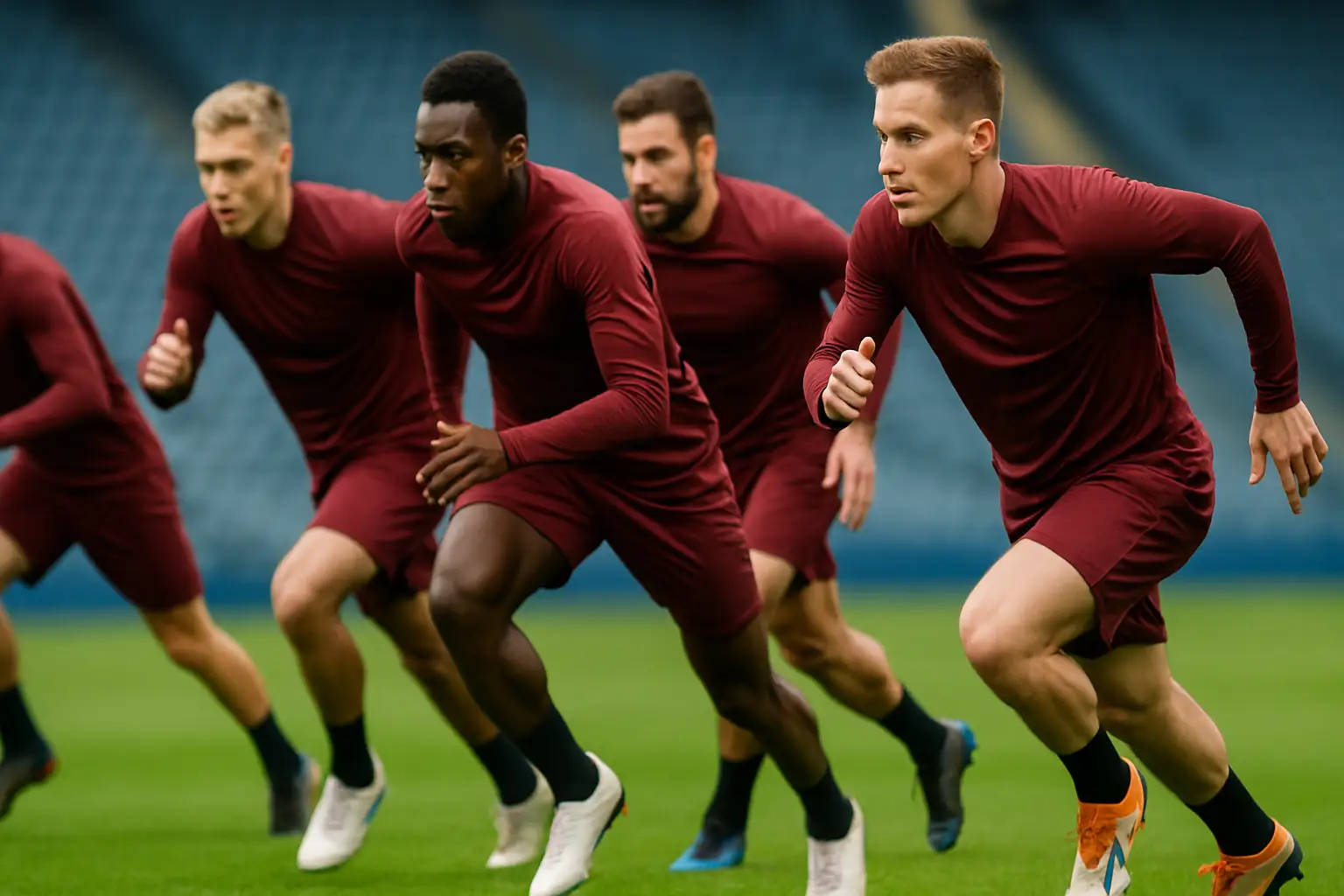
England's Ambition: Bring Club Football to the World Stage
England's ambition heading into the World Cup is clear - play the kind of fast, high-intensity football that defines the Premier League week in, week out. According to reporting by The New York Times, the England camp wants to transpose that club-level style onto the international stage, where conditions, opponents, and preparation time are very different.
The Premier League is widely regarded as one of the most physically demanding leagues in the world. Its pace, pressing systems, and tactical complexity have set a benchmark that England's players are deeply familiar with, given how many of them feature for top-flight clubs each season. The logic is straightforward: if that style works in club football, why not carry it into a tournament?
But logic and execution are two different things.
Why Replicating the Premier League at a World Cup Is Harder Than It Sounds
International football comes with structural limitations that club managers never face. Players arrive from different clubs, different systems, and different rhythms. A winger pressing relentlessly under his club manager's instructions on a Saturday might carry different habits and fitness levels into an England camp the following week.
Training time is drastically reduced compared to club setups. A club manager can spend weeks drilling a pressing shape or a specific build-up pattern. An international manager gets days, sometimes fewer, before a competitive match. That makes the kind of cohesive, automatic movement that Premier League teams display extremely difficult to replicate.
Opponents also adapt. Teams preparing to face England at a World Cup will study their tendencies closely and set up specifically to disrupt them. In the Premier League, clubs face each other repeatedly and adjustments happen over a long season. A World Cup knockout tie offers no such margin for tactical evolution.
Weather and scheduling add further variables. World Cup host nations often present climatic conditions far removed from a wet Tuesday night in Manchester or Liverpool. Heat and humidity can erode the high-energy pressing game that England would like to sustain.
The Tactical Challenge for England's Coaching Staff
For England's coaches, the challenge is building a system flexible enough to handle those pressures while still reflecting the Premier League identity the squad carries naturally. The players know how to press, how to transition quickly, and how to use width - those habits are baked in from their club careers.
The question is whether those habits can be stitched together quickly enough, across players from rival clubs with different default settings, to function as a genuine system rather than a loose collection of individual qualities.
Some international teams have managed it. Spain's dominant era drew heavily on the passing philosophy that Barcelona had refined for years. Germany's 2014 World Cup-winning side was built on a collective identity that had been embedded over a long cycle. England are looking to do something similar, drawing on the Premier League's intensity rather than any single club's philosophy.
Whether they can pull it off across the short, high-stakes format of a World Cup remains an open question - and one that opposing coaches will already be thinking hard about.

Football Correspondent
Alex covers football and the global game with fast, sharp analysis.