FIFA 2026 World Cup: Celebrity Crowd Packs USA vs Australia Clash
A-list celebrities packed the stands as the United States faced Australia in one of the FIFA 2026 World Cup's most anticipated group-stage matches.
Star Power Meets the World's Biggest Stage
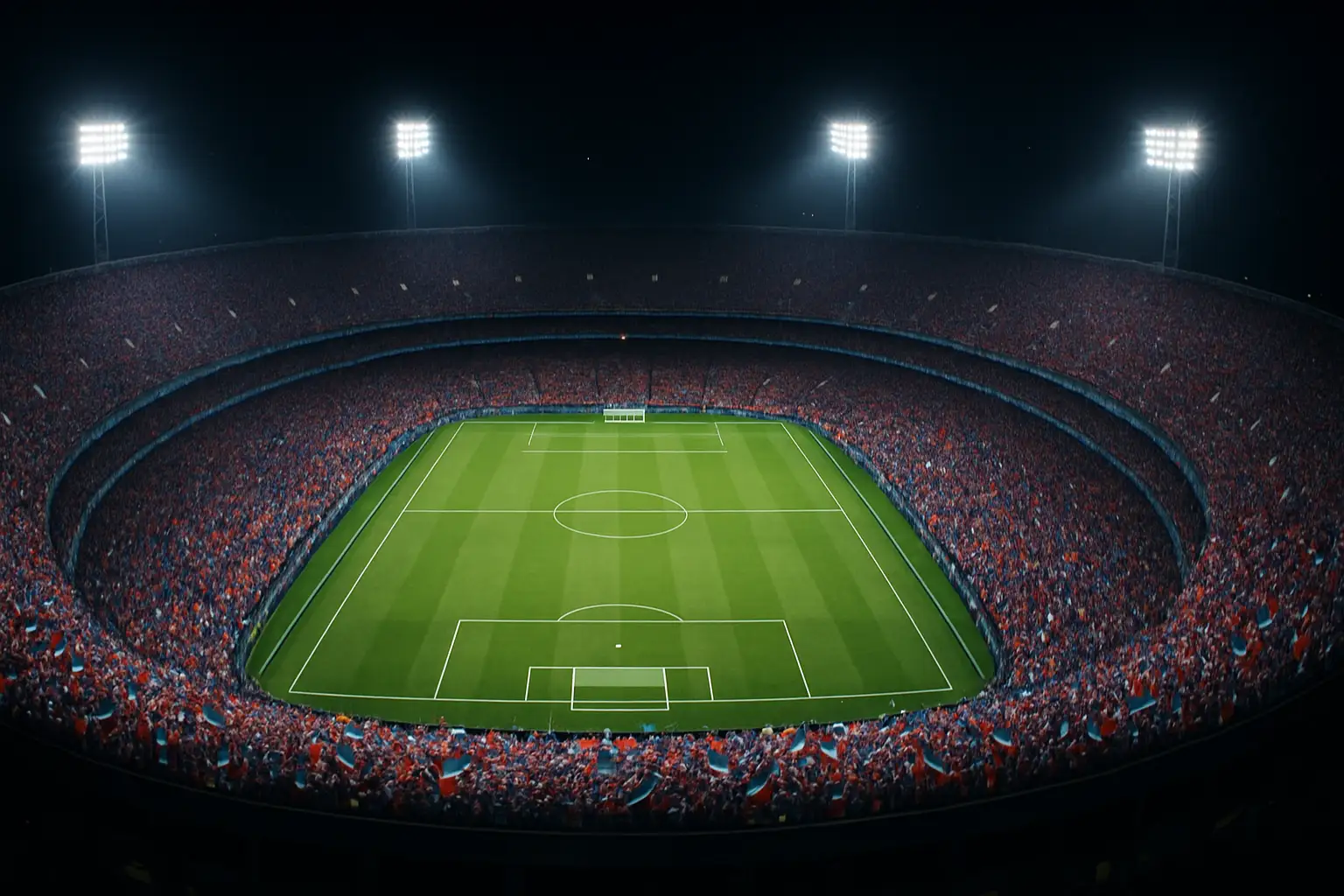
The FIFA 2026 World Cup delivered more than football when the United States took on Australia in what became one of the tournament's most talked-about fixtures. High-profile celebrities turned out in large numbers to watch the blockbuster clash, adding a layer of Hollywood glamour to a match already carrying enormous sporting stakes.
The scenes inside the stadium, reported by The West Australian, reflected just how much the World Cup on North American soil has captured the attention of the entertainment world. Cameras swept the stands regularly, catching recognizable faces from film, music, and sport seated among tens of thousands of regular fans.
This kind of celebrity attendance is not entirely new to major football tournaments, but the scale reported at the USA-Australia game underlined how the 2026 edition is drawing a broader cultural audience than previous World Cups held outside Europe and South America.
USA vs Australia: More Than Just a Football Match
For Australia, a team that has steadily grown its global profile since the Socceroos' memorable run at the 2022 Qatar World Cup, facing the host nation in front of such a high-profile crowd represented a significant moment. The United States, buoyed by home support and playing in front of fans who included some of the country's biggest names, had the crowd factor firmly on their side.
The match drew intense media coverage well beyond traditional football outlets. Entertainment and lifestyle publications tracked who was sitting where, while football journalists focused on the tactical contest on the pitch. Both stories ran in parallel throughout the day, illustrating how the 2026 tournament is being consumed across very different audiences simultaneously.
Australia's presence at the tournament, competing in the same group as the host nation, guaranteed the fixture a global audience. The Socceroos carry strong support across Australia and a growing diaspora fanbase in North America, meaning the stadium held a genuine split of allegiances despite the home advantage the United States enjoyed.
A World Cup Built for the North American Market
FIFA's decision to award the 2026 tournament jointly to the United States, Canada, and Mexico was partly a commercial calculation. The North American market, with its dense population of sports fans, major metropolitan stadiums, and entertainment industry connections, was always likely to produce moments where football and celebrity culture overlapped.
That calculation appears to be paying off. The celebrity turnout at the USA-Australia fixture is one visible sign that the tournament is cutting through beyond its traditional fanbase. Sponsors, broadcasters, and FIFA itself benefit when matches generate coverage across entertainment media, not just sports pages.
The 2026 World Cup is being played across 16 host cities in the three countries, with matches spread across some of the largest and most recognizable stadiums in North America. That geography puts games within easy reach of entertainment hubs like Los Angeles and New York, making celebrity attendance at marquee fixtures a practical reality rather than a rare coincidence.
What It Means for Football's Growing US Profile
The sight of a packed, celebrity-studded crowd at a World Cup game involving the United States men's national team carries meaning beyond the spectacle. American football culture has grown steadily over the past decade, driven by Major League Soccer's expansion, the arrival of high-profile European players in the league, and increased broadcast coverage of top European competitions.
Hosting the World Cup accelerates that process. When cultural figures who might not ordinarily follow football are photographed at a high-stakes match and express enthusiasm publicly, it normalizes the sport for audiences who have remained on the periphery.
For Australia, the exposure of playing in such a setting, against the host nation and in front of a celebrity-studded crowd, is its own kind of advertisement for the Socceroos and for football's reach in the Asia-Pacific region.
The USA-Australia clash, regardless of its final result, became one of the defining images of the tournament's early stages - a football match that briefly doubled as a cultural event, with the FIFA 2026 World Cup providing the backdrop.

Football Correspondent
Alex covers football and the global game with fast, sharp analysis.