FIFA World Cup 2026: How to Watch Live Broadcasts Free on TV
With FIFA World Cup 2026 approaching, fans are searching for free, legal ways to watch matches live on television across different regions.
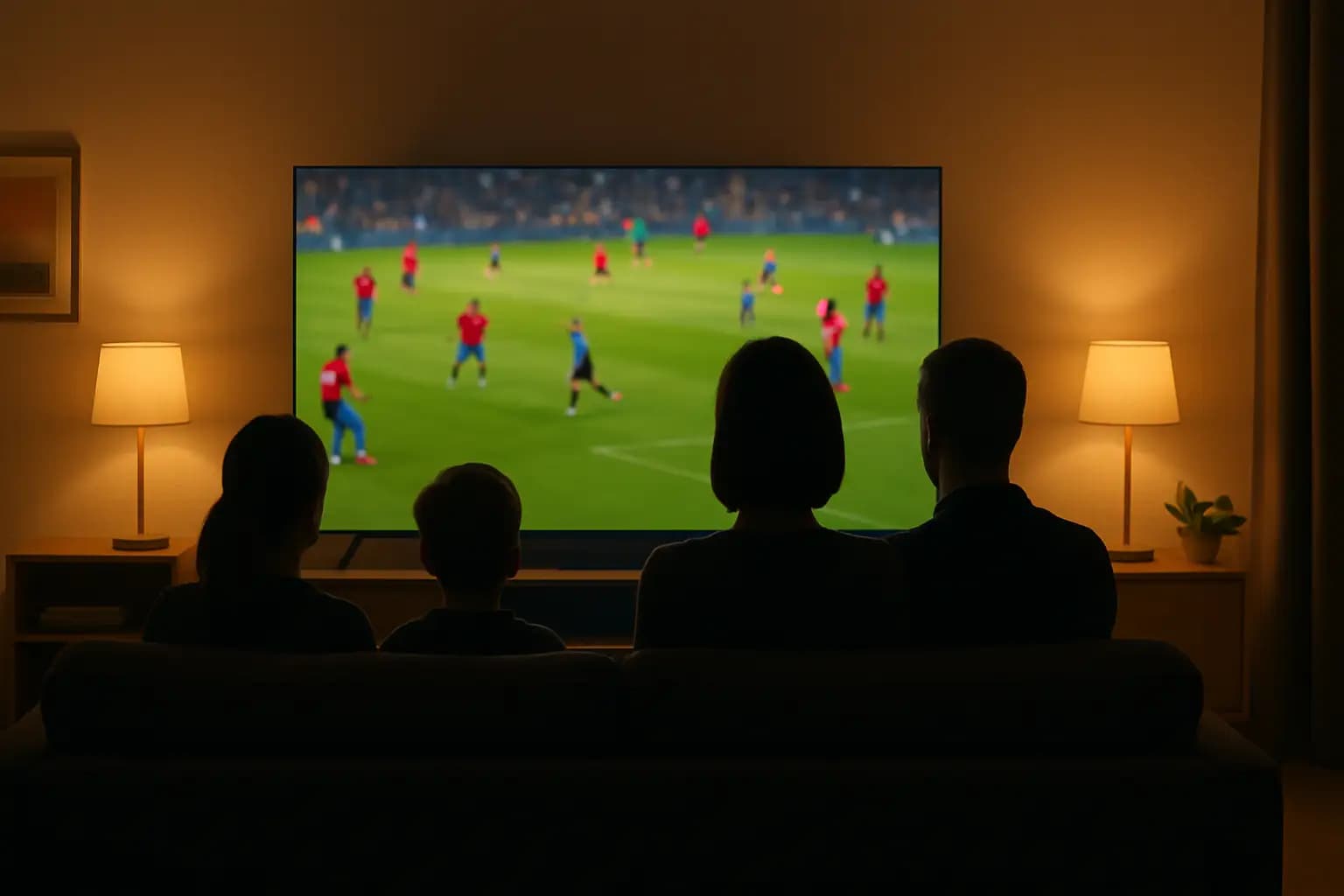
FIFA World Cup 2026 and the Push for Free TV Access
The FIFA World Cup 2026 is generating significant viewer interest well ahead of kick-off, with fans across multiple countries already looking for ways to watch every match live and free on television. The tournament, co-hosted by the United States, Canada, and Mexico, will be the largest World Cup in history, featuring 48 national teams across an expanded group stage.
For many viewers, the central question is straightforward: which broadcast channels will carry matches without a subscription paywall? Free-to-air television rights vary by country, and the picture is still developing in several markets.
Understanding Free-to-Air Broadcast Rights
Broadcast rights for major international tournaments like the FIFA World Cup are sold on a territory-by-territory basis. In some countries, public broadcasters or free-to-air commercial networks secure the rights, meaning viewers can tune in without paying for a cable or streaming package. In others, rights land with pay-TV platforms, limiting access for those without subscriptions.
For the 2026 edition, FIFA has publicly stated a commitment to broad accessibility, though confirmed broadcaster lists for every territory are still being finalized ahead of the tournament. Fans are advised to monitor announcements from their national broadcasters and FIFA's official channels for confirmed free-to-air listings closer to the start of matches.
In regions where free broadcast options are available, viewers typically need only a standard television antenna or a basic cable connection to access coverage. No illegal streaming or third-party workaround is required where proper rights have been granted to free-to-air outlets.
What Viewers Should Know Before the Tournament
Interest in finding free live coverage has spiked across social media and search platforms, reflecting how central television access remains for football fans globally, particularly in markets where internet connectivity or streaming costs are a barrier.
Viewers should be cautious about unofficial streaming links or sites promising free HD access outside of licensed broadcasters. These sources carry risks including malware, unreliable streams, and potential legal exposure depending on local copyright law.
The safest approach is to identify which broadcaster holds rights in your territory and confirm whether that outlet offers free-to-air coverage. National sports bodies, government broadcasting regulators, and FIFA's own media hub are reliable starting points for that research.
The 2026 tournament is scheduled to run from June through July 2026, giving fans several months to confirm their viewing options before the opening match.

Football Correspondent
Alex covers football and the global game with fast, sharp analysis.