FIFA World Cup 2026 Stats: What the Numbers Tell Us
FIFA has released key statistics for the 2026 World Cup, offering a data-driven look at the tournament set to span three host nations across North America.

FIFA World Cup 2026 Statistics Take Shape
The FIFA World Cup 2026 is shaping up to be the most expansive edition in the tournament's history, and the statistics surrounding it reflect that scale. FIFA has been publishing official stats related to the tournament, giving football fans and analysts an early look at the data landscape ahead of the competition across the United States, Canada, and Mexico.
The 2026 edition will be the first World Cup to feature 48 teams, up from the 32-team format used since France 1998. That expansion alone transforms virtually every statistical baseline tied to the tournament, from total matches played to goals scored and minutes of football on offer.
With 104 matches scheduled across 16 host cities, the raw volume of football will far exceed any previous World Cup. The 2022 edition in Qatar featured 64 matches. Fans, broadcasters, and analysts are already recalibrating expectations across the board.
A Bigger Tournament Means Bigger Numbers
The jump to 48 teams introduces a new group-stage format, with 12 groups of four teams each. The top two from each group, plus the eight best third-place finishers, advance to a 32-team knockout round. That structure adds a layer of statistical complexity that did not exist in previous tournaments.
Goal tallies, passing accuracy, defensive records, and player performance metrics will all be tracked across a significantly longer road to the final. A team that goes all the way in 2026 could play up to eight matches, compared to the seven required in previous 32-team tournaments.
For individual players, that extra potential match is meaningful. Records for goals in a single tournament, assists, and clean sheets could all come under pressure if top sides and elite forwards make deep runs.
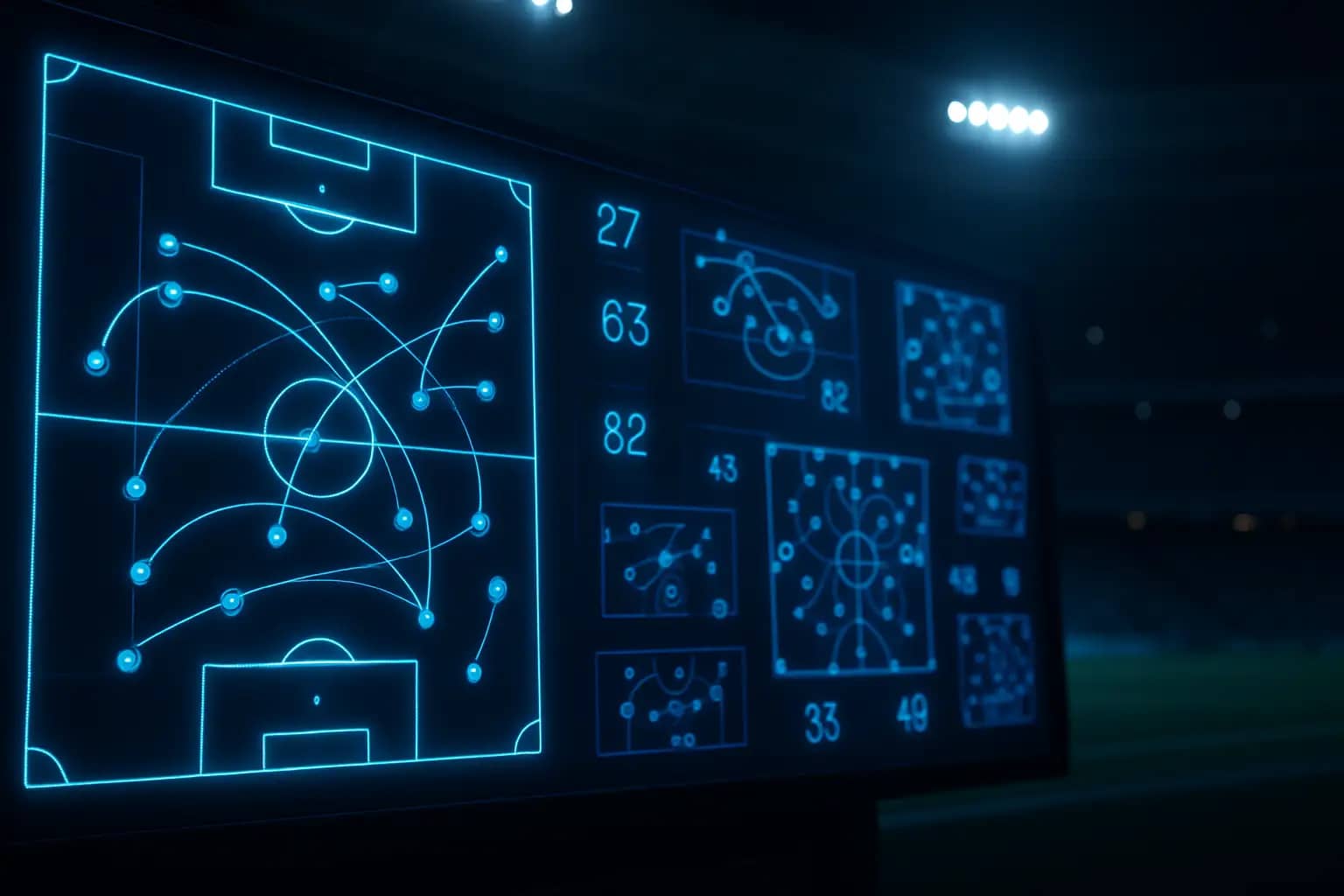
FIFA's official stats platform tracks these figures in real time once the tournament begins, covering everything from expected goals and ball possession to sprint distances and defensive duels. The infrastructure for that kind of granular data collection has grown considerably since the tracking technology deployed at the 2018 and 2022 tournaments.
Host Nations and Historical Context
The three host nations each carry their own statistical histories at the World Cup. The United States reached the quarterfinals on home soil in 1994. Mexico has advanced past the group stage in every tournament it has hosted or co-hosted. Canada is making its return to the World Cup after qualifying for the 2022 edition in Qatar, ending a 36-year absence from the competition.
Having 16 host cities spread across a continent adds logistical variables that will inevitably show up in performance data. Travel distances between venues are far greater than in compact, single-nation tournaments like Qatar 2022. How teams manage squad rotation and recovery across a potentially five-week competition could influence the statistics in ways analysts are already trying to model.
Historically, the World Cup produces some of football's most referenced individual records. Miroslav Klose's 16 career World Cup goals remains the all-time benchmark. Ronaldo of Brazil holds the record for most tournaments played at five. These markers give context to the statistical achievements that will unfold across 2026.
What to Watch in the Data
Several statistical storylines are worth tracking as the 2026 tournament approaches. The expanded field means more matches involving nations from confederations outside Europe and South America, which historically produces competitive variance and upsets that skew aggregate data.
Defensive records will be interesting to follow given the new format. With 12 groups instead of eight, teams may approach early group matches differently from a tactical standpoint, potentially affecting goals-per-game averages in the opening phase.
Set-piece efficiency has become an increasingly significant metric at recent World Cups. At Qatar 2022, a notable proportion of goals came from dead-ball situations, a trend that coaching staffs will have studied closely heading into 2026.
FIFA's stats releases ahead of and during the tournament will serve as the authoritative source for these figures. The governing body's data infrastructure has expanded alongside the commercial and broadcast growth of the competition, meaning the statistical record of World Cup 2026 will likely be the most detailed in the event's history.
The tournament is scheduled to begin in June 2026, with the final set for MetLife Stadium in East Rutherford, New Jersey. Between now and then, the numbers will keep building.

Football Correspondent
Alex covers football and the global game with fast, sharp analysis.