Football Camp Opens Its Doors to Athletes With Special Needs
A football camp designed specifically for athletes with special needs gave participants a chance to learn the game, build confidence, and enjoy the sport in a welcoming environment.
Athletes With Special Needs Take the Field
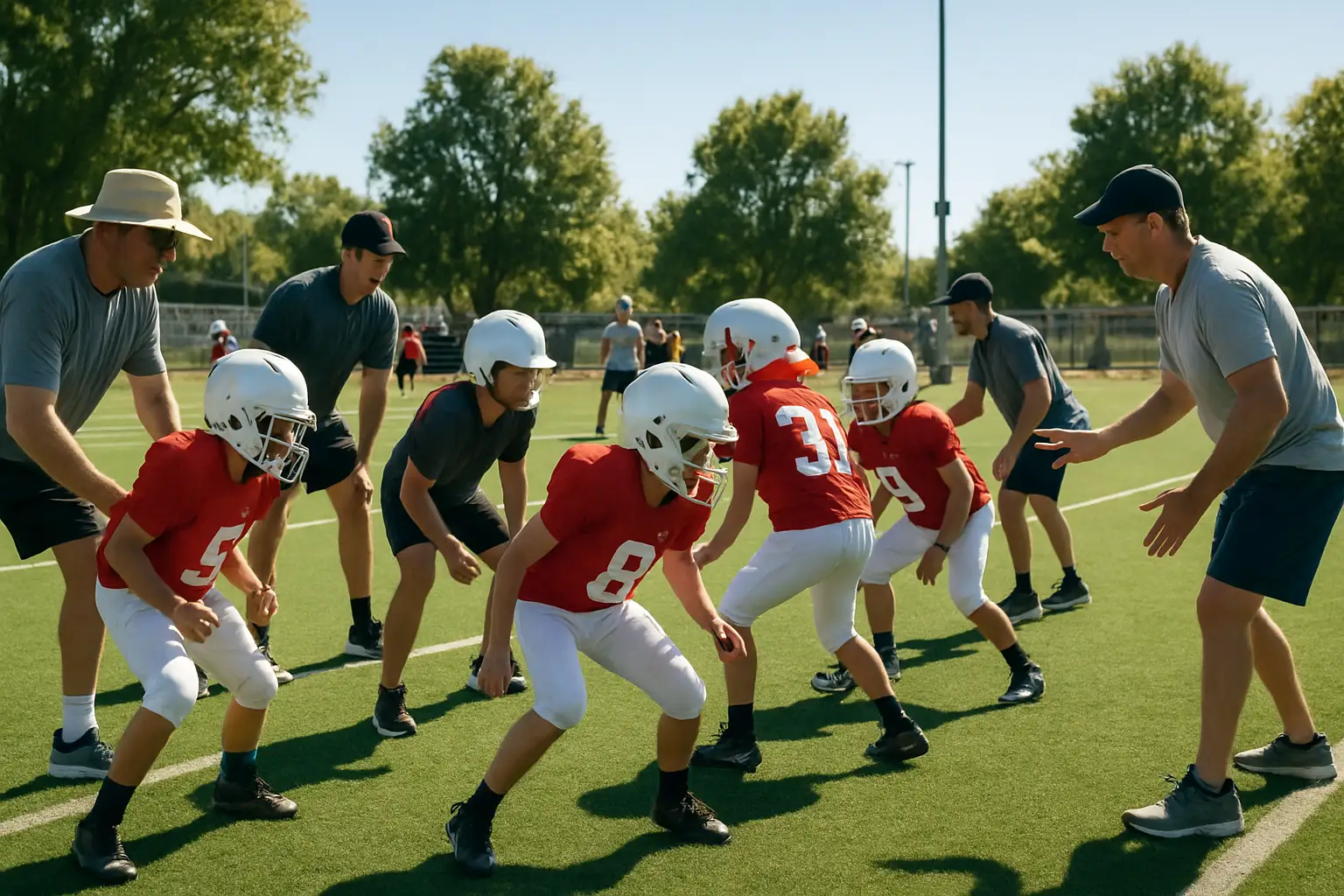
A football camp for athletes with special needs brought the game to a group that rarely gets a structured opportunity to play it. The event, reported by KVUE, gave participants a hands-on experience with football in a supportive, inclusive setting designed around their abilities rather than their limitations.
Camps like this one fill a gap that standard youth football programs often leave open. Most recreational leagues and school-based teams are built around able-bodied athletes, leaving many young people with physical or cognitive disabilities on the sidelines, sometimes literally. This kind of dedicated event changes that dynamic.
Participants got to run drills, handle the ball, and engage with the sport in a way that matched their individual capabilities. Coaches and volunteers worked directly with each athlete, adjusting activities to suit different needs while keeping the atmosphere competitive enough to feel real.
Why Inclusive Football Programs Matter
Sports participation carries well-documented benefits for young people, including improved physical health, social development, and self-confidence. For athletes with special needs, those benefits can be even more pronounced, partly because opportunities to compete or even just play organized sports are harder to come by.
Inclusive football camps also give families a break and give athletes a community. Many participants at events like this one meet peers who share similar experiences, which can reduce isolation and build friendships that extend beyond the field.
Volunteers and organizers at these camps often report that the athletes bring energy and enthusiasm that rivals any standard youth football event. The motivation to participate, to catch a pass or make a tackle, is not diminished by disability.
Building a Model for Inclusion in Youth Sports
Events like this football camp are part of a broader movement toward inclusion in youth athletics. Organizations across the country have pushed to create adaptive sports leagues and one-day camps that give athletes with special needs consistent access to physical activity and team-based competition.
Football, with its emphasis on teamwork and varied roles, lends itself well to adaptive formats. A player who cannot run a route might still snap the ball, call plays, or contribute in other meaningful ways. Organizers of inclusive camps often restructure the game slightly to open up more positions and responsibilities to a wider range of participants.
The camp covered by KVUE reflects growing local interest in making football more accessible. Community organizations, school districts, and sometimes college or professional football programs partner on events like this to provide equipment, volunteer coaches, and field space that individual families or small nonprofits could not easily arrange on their own.
For the athletes who attended, the experience was likely more than a single afternoon of drills. It was a chance to be part of a team, wear a jersey, and play the sport that millions of fans watch every weekend without ever thinking about who gets left out.

Football Correspondent
Alex covers football and the global game with fast, sharp analysis.