Popa's Tactical Gambles Backfire: What Must Change Next
The risks coach Ante Popa has taken in recent matches are drawing sharp scrutiny after the downside of his bold selections was laid bare, per Fox Sports analysis.
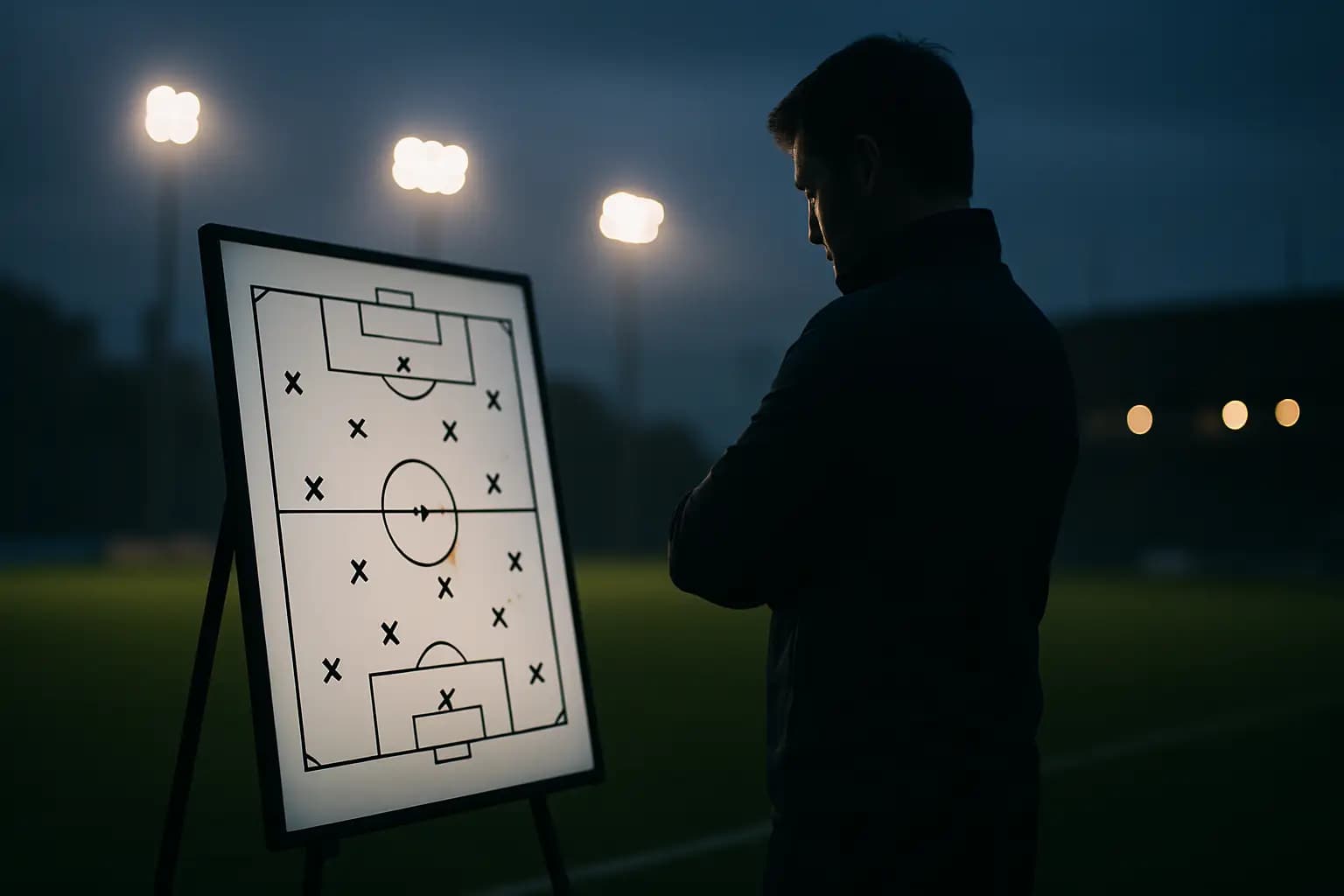
The debate around Ante Popa's coaching decisions has sharpened considerably, with analysts at Fox Sports outlining how the gambles he has taken in key matches are beginning to carry a visible and costly downside.
Popa's willingness to make bold calls has at times looked inspired. But as Fox Sports detailed in a recent talking points breakdown, those same instincts have exposed vulnerabilities that opponents are now learning to target. The question the football world is asking is simple: what adjustments does Popa need to make before those cracks become something far harder to repair?
When Bold Selections Stop Paying Off
There is a fine line between a coach who backs his instincts and one whose selections leave a team structurally exposed. According to the Fox Sports analysis, Popa's tactical choices have crossed that line in recent games, with the flip side of his high-risk approach showing up in ways that are difficult to ignore.
Selections that were designed to give his side an edge in one area of the pitch have left gaps elsewhere. When those gaps go unpunished by weaker opposition, the gamble looks clever. Against better-organized sides, the problems become obvious quickly. That pattern is now a talking point among analysts and supporters alike.
The issue is not that Popa takes risks. Coaches at every level make calculated bets on personnel and systems. The concern, as Fox Sports framed it, is whether those risks are being recalibrated when the evidence demands it, or whether the same vulnerabilities are being left unaddressed from one match to the next.
The Changes Analysts Say Must Come
Fox Sports identified specific areas where Popa needs to act. While the original analysis does not lend itself to a single sweeping solution, the thrust of the argument is clear: adjustments are needed both in selection and in how the team is set up to defend against the counter-threats his attacking formations invite.
The first area under the microscope is structural balance. When a team commits heavily to one phase of play, the coach has a responsibility to ensure the rest of the shape compensates. If that compensation is not there, the system relies on individual brilliance or opponent error to survive. That is not a sustainable foundation.
Second, personnel choices need to reflect the specific demands of each fixture rather than a one-size approach. Popa's gambles, by their nature, suggest he is willing to tailor selections to a game plan. The next step is ensuring those selections account for defensive as well as offensive considerations.
Third, in-game management has come under scrutiny. Recognizing when a gamble is not working and making the call to change course mid-match is as important as the original decision. Stubborn adherence to a failing plan is where bold coaching can tip into costly rigidity.
Pressure Building at a Critical Moment
The timing of this scrutiny matters. Coaches are rarely judged solely on individual decisions. They are judged on whether they learn, adapt, and respond to the signals their team is sending. For Popa, the talking points circulating in football media suggest the window to demonstrate that adaptability is not wide open indefinitely.
Fox Sports framed the situation as a crossroads of sorts, where the choices Popa makes in the near term will define how his tenure to this point is ultimately read. A run of results that justify the risks, or clearer evidence of a refined and more balanced approach, could shift the narrative quickly.
For now, the uncomfortable reality is that the downside of his gambles is no longer a theoretical concern. It has shown up on the pitch, in the margins of results, and in the analytical breakdown that follows every match. Popa has the tools and the track record to respond. Whether he does so swiftly enough is the part that remains to be seen.

Football Correspondent
Alex covers football and the global game with fast, sharp analysis.