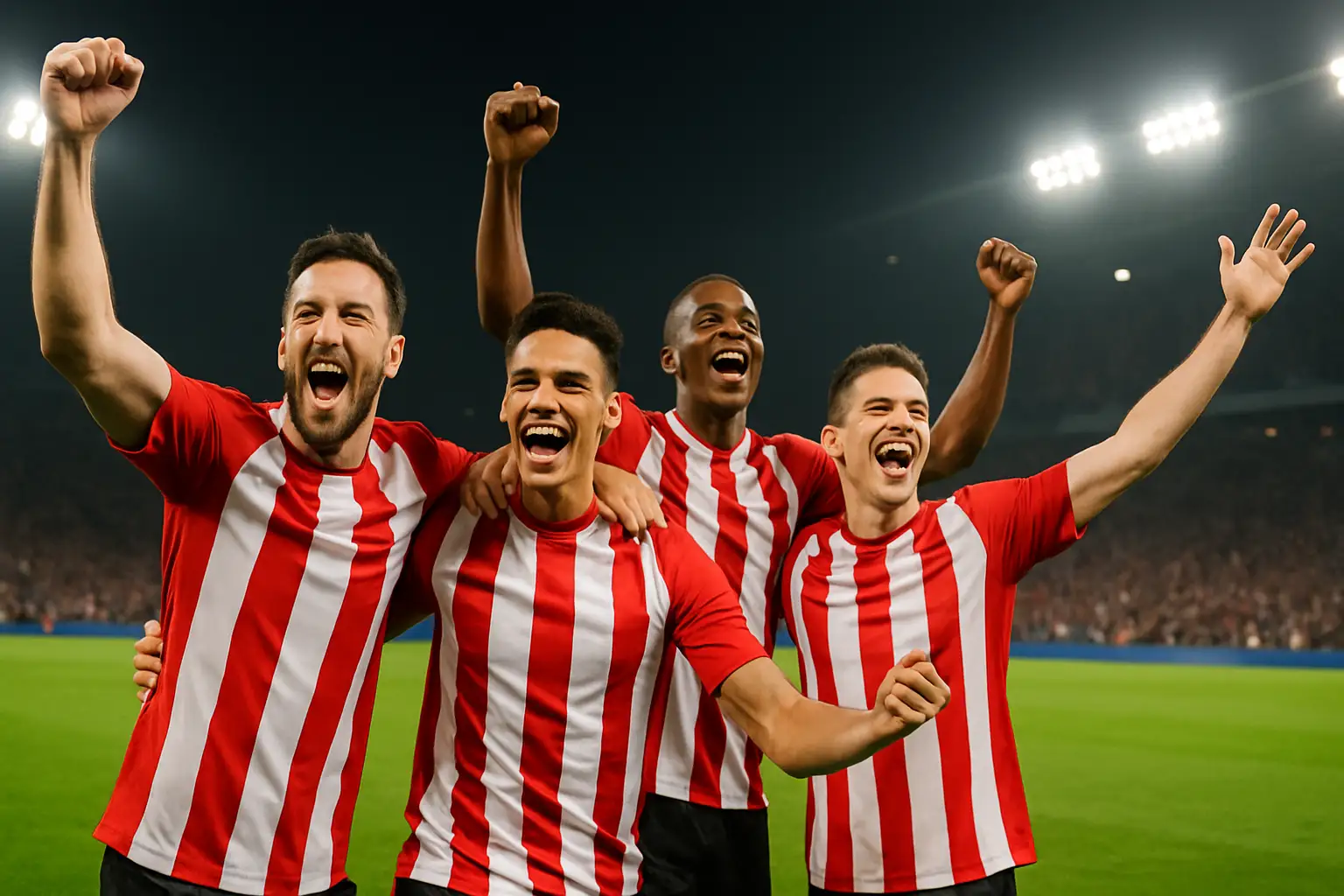
World Cup Ads: Why Non-Sponsors Are Winning the Marketing Game
Brands skipping FIFA's sponsorship fees are outperforming official partners during World Cup cycles. Australian companies are being urged to take notice of this shift.

World Cup Advertising Belongs to More Than Just FIFA's Partners
World Cup advertising has long been treated as a closed shop. Pay FIFA the sponsorship fees, get the logo placement, run the campaign. But a growing body of evidence suggests the brands walking away with the most consumer attention during major tournaments are not the ones writing the biggest cheques to football's governing body.
According to analysis highlighted by Soccerscene, companies that never sign a FIFA partnership deal are consistently generating stronger brand recall and social engagement than official sponsors during World Cup periods. The trend is reshaping how marketing departments think about sports investment, and Australian brands have particular reason to sit up and listen.
How Non-Sponsors Are Outplaying Official Partners
The strategy is sometimes called ambush marketing, though that label undersells how deliberate and sophisticated these campaigns have become. Non-sponsor brands align their advertising cycles, social content, and influencer activity with the tournament calendar without ever referencing FIFA, the World Cup name, or protected imagery. The result is that ordinary viewers associate them with the excitement of the event anyway.
The mechanics are straightforward. A brand runs a football-themed campaign in the weeks surrounding a tournament. It sponsors local fan events or community viewing parties. It activates through players and commentators who are not under FIFA's media restrictions. Consumers, caught up in the atmosphere, connect the brand to the occasion. Official sponsors, meanwhile, can struggle to cut through despite their investment, partly because their category exclusivity only covers the FIFA ecosystem, not the broader cultural conversation happening around it.
Research consistently shows that a meaningful share of consumers incorrectly identify non-sponsors as official partners of major sporting events. That misattribution, frustrating as it sounds for governing bodies, represents real commercial value for the brands achieving it.
What This Means for Australian Brands
Australia's football audience has grown sharply in recent years, driven by the Matildas' run to the 2023 Women's World Cup semi-finals on home soil and sustained interest in the men's national team. That audience growth makes the coming World Cup cycles commercially significant for Australian advertisers in a way that was not true a decade ago.
Yet most mid-sized Australian brands could never justify a FIFA global sponsorship. The entry costs sit well beyond the budgets of all but the country's largest corporations. The non-sponsor playbook changes that calculation entirely. A regional retailer, a domestic airline, or an insurance company does not need a FIFA contract to benefit from World Cup fever sweeping the country. It needs a well-timed, football-adjacent campaign and an understanding of where fans are actually spending their attention.
Soccerscene's reporting points out that Australian brands have historically been slow to act on this opportunity compared to counterparts in Europe and South America, where ambush-style football marketing is deeply embedded in advertising culture. The window before the 2026 men's World Cup in North America, which will draw significant Australian viewership, gives local marketers time to build that capability now rather than scrambling once the tournament begins.
The Risks and the Realities
Non-sponsor activation is not without limits. FIFA and national football federations actively police the use of protected terms, official imagery, and tournament branding. Brands that stray into protected territory face legal exposure. The successful campaigns stay well clear of those lines, building association through cultural proximity rather than direct reference.
There is also the question of authenticity. Consumers are increasingly alert to brands that appear to exploit sporting moments without any genuine connection to the sport. Campaigns that feel opportunistic rather than organic tend to generate backlash rather than goodwill. The brands that do this well typically have an existing presence in football communities, whether through grassroots club partnerships, broadcast sponsorships, or community programs, that gives their World Cup-adjacent activity some credibility.
For Australian brands considering this approach, the groundwork starts before the tournament, not during it. Relationships with local football clubs, investment in community competitions, and consistent social presence around the A-League and national teams all build the kind of credibility that makes a World Cup campaign feel earned rather than opportunistic.
The core lesson from Soccerscene's analysis is a simple one. Paying FIFA for the right to call yourself an official World Cup partner is one route to tournament relevance. It is not the only route, and for most Australian businesses, it is not the most efficient one.

Football Correspondent
Alex covers football and the global game with fast, sharp analysis.