Factory Aprilia vs Trackhouse at Assen: Why the Satellite Beat the Works Bikes
At Assen, Trackhouse Aprilia outperformed the factory squad - raising sharp questions about setup, data sharing, and team dynamics within the Aprilia structure.

The Result That Raised Eyebrows
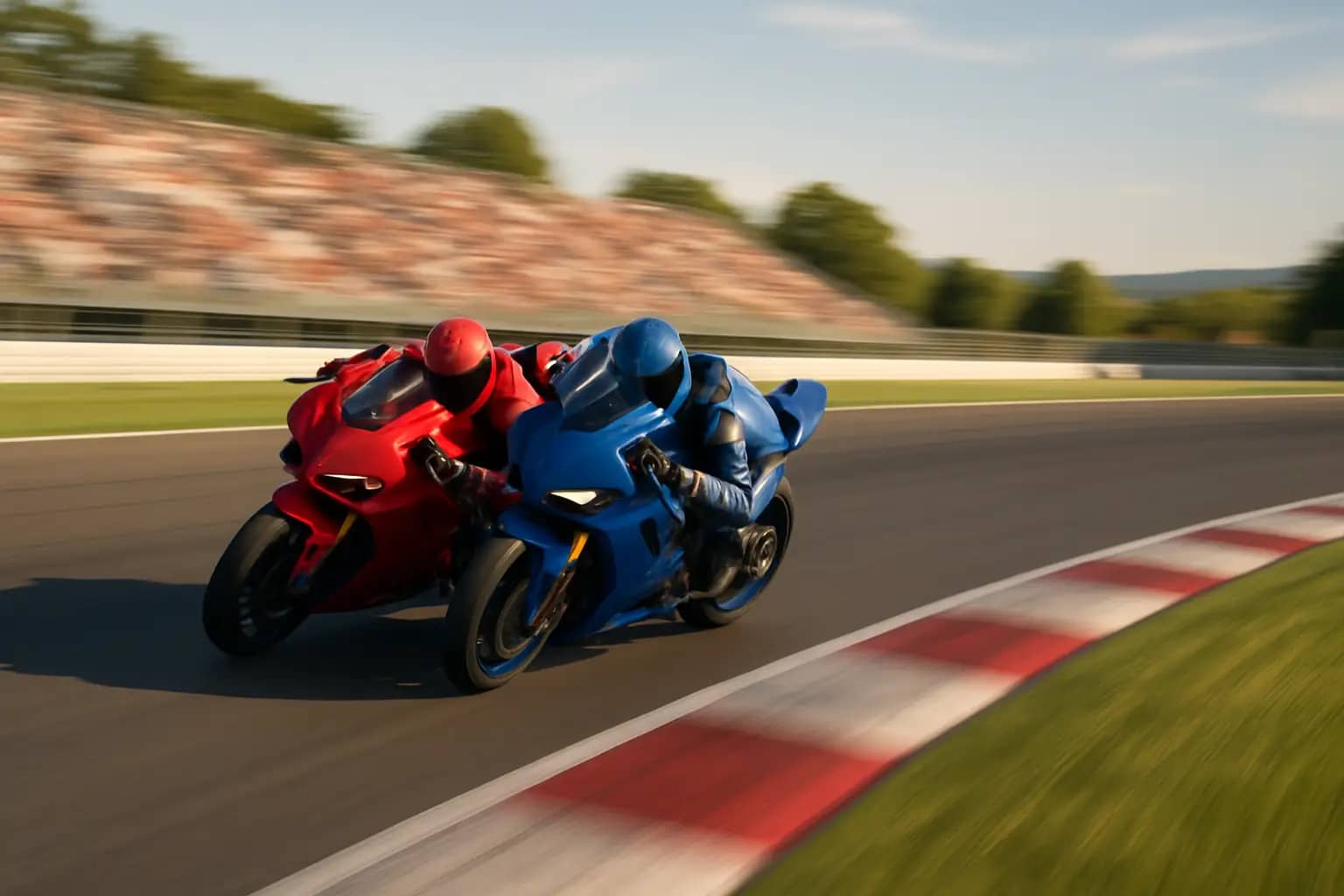
Assen is one of MotoGP's most technically demanding circuits, and the Dutch TT traditionally separates teams that truly understand their package from those still searching for answers. At this year's race, the Trackhouse Aprilia satellite outfit did something that caught the paddock's attention: it outpaced the factory Aprilia squad, the team with the most resources, the most direct access to engineers in Noale, and the newest-spec machinery.
That kind of result does not happen by accident, and it does not get brushed aside easily. According to reporting by news.gp, the gap between the two Aprilia camps at Assen pointed to real and specific technical and operational differences, not simply a good day for one rider and a bad one for another.
Setup Choices and Circuit Fit
One of the central factors appears to be how each team approached the specific demands of Assen. The circuit rewards smooth, flowing cornering and strong mid-corner stability. If a bike is set up too aggressively or carries mechanical instability through the long, linked corners that define the lap, the rider loses time in precisely the sections where Assen punishes errors most.
Trackhouse, operating with a slightly different internal culture and working relationship with their riders, arrived at a setup that suited the circuit better than what the factory side was running. This is not unusual in MotoGP - satellite teams sometimes move faster on setup because they are less constrained by the broader data programs and comparative testing obligations that factory squads carry. When a factory team is running multiple development directions at once, sometimes none of them is perfectly dialed for a single race weekend.
The factory Aprilia riders, by contrast, appeared to struggle to extract the same level of performance from what is nominally the same base machine. The RS-GP has been a competitive package in recent seasons, capable of winning races, but at Assen it simply did not respond the way the team needed it to.
What the Gap Reveals About Aprilia's Internal Structure
The Trackhouse situation highlights a broader dynamic that has become more visible in MotoGP over the past couple of seasons. Satellite teams are no longer just running older-spec bikes and hoping to score points. With concession rules, data access agreements, and closer technical relationships between manufacturers and their satellite partners, the gap between factory and satellite has narrowed considerably.
For Aprilia specifically, giving Trackhouse competitive machinery was a strategic choice - it expands their data pool and keeps the brand visible across multiple bikes on the grid. But that strategy carries a risk: when the satellite performs better at a given round, it reflects directly on the factory operation's ability to optimize its own package.
At Assen, that risk materialized. The questions being asked inside the factory squad are not just about this one race. A satellite outfit reading the circuit better, managing tires more effectively, or simply making braver setup calls can expose gaps in factory methodology that are uncomfortable to confront mid-season.
Rider Confidence and Weekend Momentum
Setup alone rarely explains everything. Rider confidence and how a weekend builds from Friday through to Sunday also play a significant role. If a factory rider loses confidence in the front end early in free practice, the entire weekend can become an exercise in damage limitation rather than performance extraction.
Trackhouse riders appeared to build momentum across the Assen weekend, getting progressively more comfortable with the bike's behavior on a track surface that can be tricky in mixed or cool conditions. That incremental confidence translated into lap times and, ultimately, race results that put them ahead of the works squad.
For the factory team, recovering from a difficult start to a race weekend at a circuit like Assen is genuinely hard. The schedule is tight, the sessions are short, and a setup direction that does not work on Friday leaves very little room to pivot before Sunday.
The Assen result is a single data point, and one race does not define a season. But the pattern of a satellite team consistently finding more performance from the same platform would be a serious concern for any manufacturer. Aprilia's engineers and factory riders will have plenty to work through before the next round, and the Trackhouse performance will be part of that debrief whether anyone says so publicly or not.

MotoGP Correspondent
Luca Moretti is 21.news's MotoGP correspondent, following the championship from free practice to the podium with an eye for race strategy and tech.