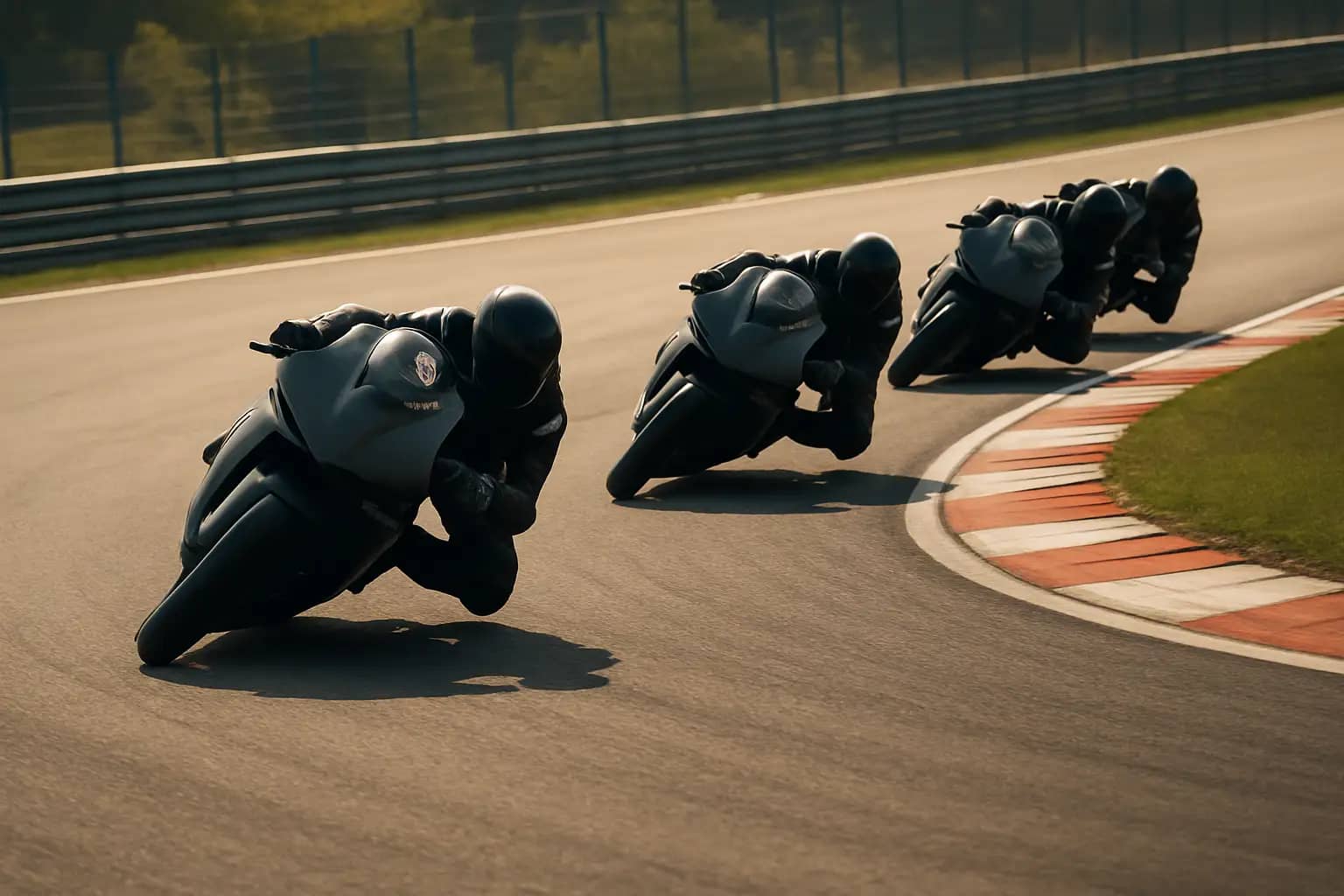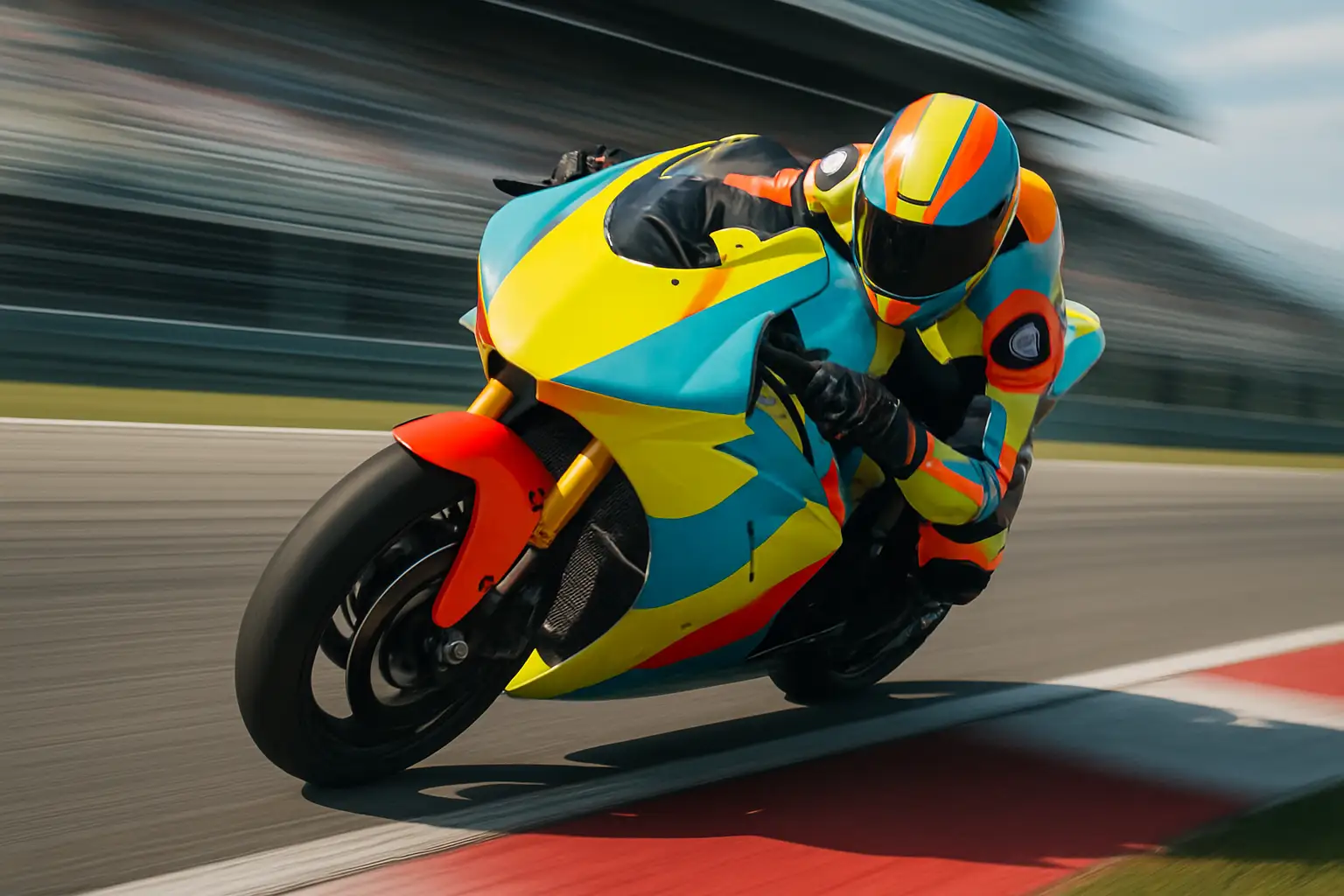
MotoGP 2024: What's Shaping the Season So Far
MotoGP continues to captivate fans worldwide with fierce competition, technical battles, and a grid packed with talent pushing the limits of motorcycle racing.
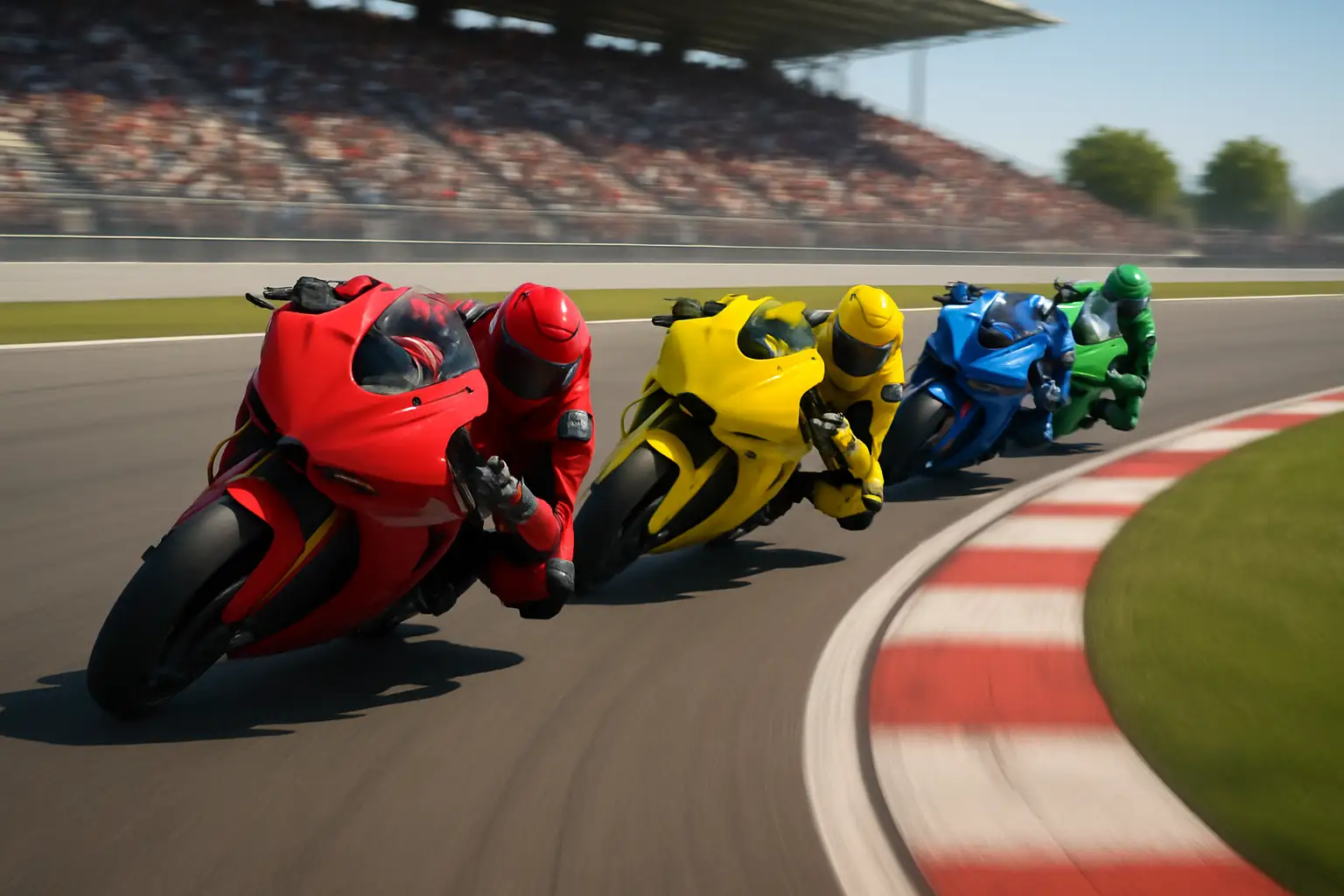
MotoGP Remains One of Sport's Most Competitive Arenas
MotoGP is the premier class of motorcycle road racing, sanctioned by the FIM and followed by millions of fans across every continent. The championship pits the world's fastest riders against each other on prototype machines capable of exceeding 350 km/h, making every race weekend a test of engineering precision and rider skill in equal measure.
The series visits circuits across Europe, Asia, the Americas, and beyond, giving it a genuinely global footprint. Each round brings qualifying sessions, sprint races, and a full Grand Prix, meaning riders now face a heavier workload than in previous generations of the sport.
The Technical Battle Behind the Scenes
At the factory level, manufacturers invest enormous resources developing their machines between rounds. Electronics, aerodynamics, and tire management have become just as important as raw engine power. Teams analyze data from every session to extract small margins that, over a race distance, can translate into significant gaps on the timing sheet.
Concession rules introduced in recent seasons are designed to help manufacturers who are struggling to keep pace with the front-runners. Under this system, teams at the back of the competitive order gain access to additional test days and other development allowances, which is intended to keep the grid healthy and competitive over the long term.
Michelin supplies control tires to the entire field, meaning tire selection and management strategy is one of the key differentiators between teams with strong technical departments and those still finding their footing.
Rider Movement and Grid Dynamics
Rider contracts and team transfers are a constant talking point in the MotoGP paddock. The lead-up to the summer break typically sees a wave of announcements as manufacturers lock in their lineups for the following season. Young riders coming through the Moto2 and Moto3 feeder classes keep pressure on established names, and the path from junior categories to a factory MotoGP seat has become increasingly competitive.
Sprint races, introduced relatively recently, have added another dimension to rider and team strategy. A crash or mechanical problem in a sprint no longer costs just a handful of points. Over a full season, those results compound, making consistency across both race formats a priority for championship contenders.
What Fans Can Expect Going Forward
The MotoGP calendar is among the busiest in motorsport, with rounds spread across most of the calendar year. Broadcasters and streaming platforms have expanded coverage significantly, making it easier for fans to follow every session live regardless of time zone.
Off the track, the sport's commercial side continues to grow. Attendance figures at marquee events regularly reach capacity, and social media engagement around race weekends drives conversation well beyond the traditional fan base.
For anyone following the championship closely, the mix of veteran experience and emerging talent on the current grid, combined with genuine competition between multiple manufacturers, gives MotoGP a level of unpredictability that keeps fans engaged round after round.

MotoGP Correspondent
Luca Moretti is 21.news's MotoGP correspondent, following the championship from free practice to the podium with an eye for race strategy and tech.