Pedro Acosta MotoGP Win Drought: What's Holding Him Back?
Pedro Acosta arrived in MotoGP as one of the most hyped rookies in years, yet a premier-class race win remains elusive. Here's a look at why.
Pedro Acosta's MotoGP Win Still Proves Elusive
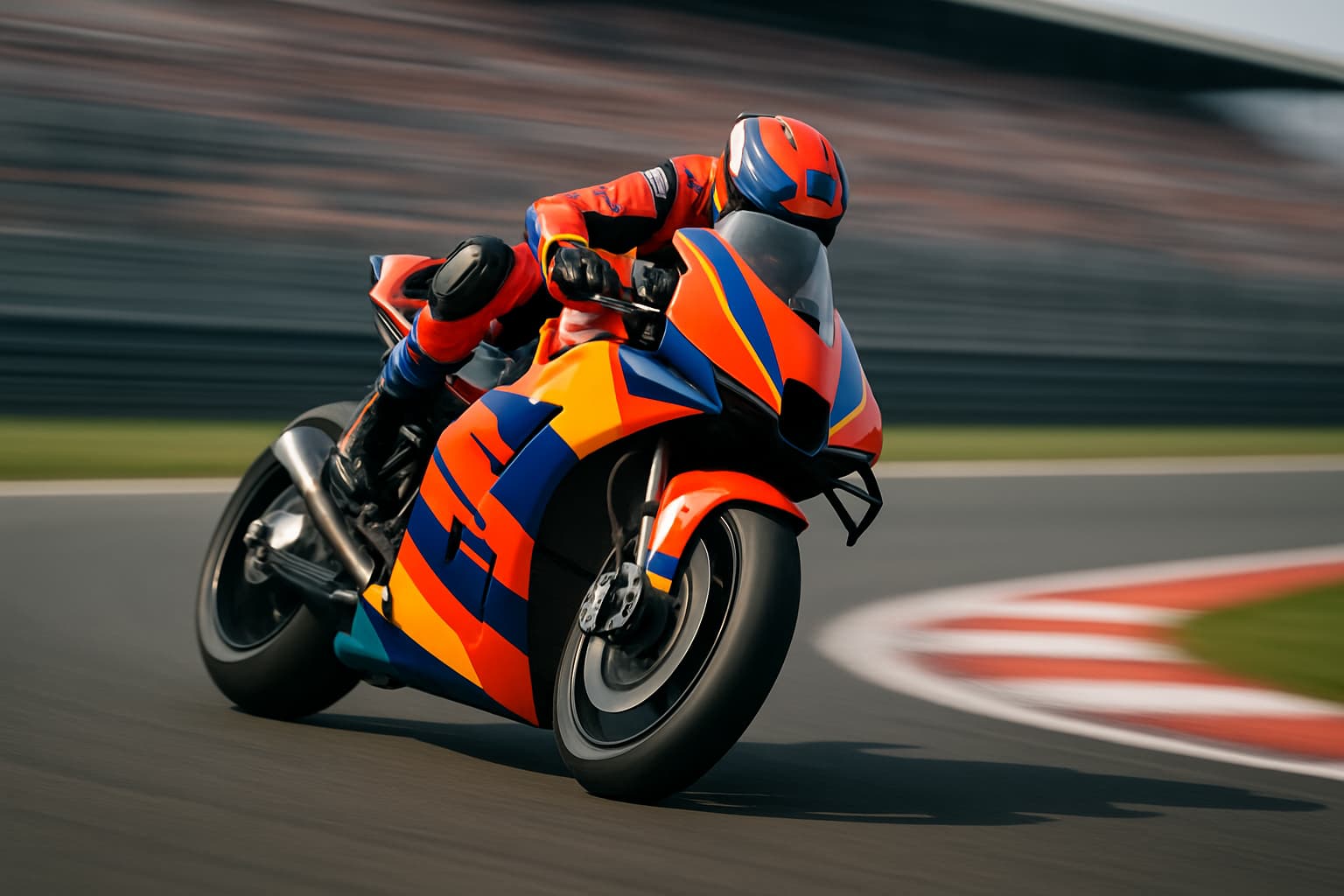
Pedro Acosta entered MotoGP carrying enormous expectations. The young Spaniard had blazed through the junior categories at a record-breaking pace, and many observers predicted he would threaten for wins almost immediately in the premier class. Yet, despite flashes of undeniable speed and consistent points finishes, a MotoGP race victory has so far stayed out of reach - a question that Cycle World has taken a closer look at.
Understanding why a rider of Acosta's caliber has not yet stood on the top step of a MotoGP podium requires examining several interconnected factors: the brutal competitiveness of the grid, the technical demands of his machinery, and the natural learning curve that even the most talented rookies must navigate.
The Sheer Depth of MotoGP Competition
One of the most straightforward explanations for Acosta's winless run is the extraordinary level of competition he faces every race weekend. MotoGP in its current era features multiple world champions on the grid simultaneously, along with a deep roster of experienced, race-winning riders who know how to manage tyres, strategy, and pressure over a full grand prix distance.
Breaking through in that environment takes time. Even riders who eventually became dominant champions needed entire seasons - sometimes more - before recording their first premier-class victory. The gap between junior-series dominance and MotoGP race wins is historically wide, and Acosta is navigating it under a particularly intense spotlight.
Rookie seasons in MotoGP are typically measured in terms of development progress rather than outright victories. Acosta has demonstrated he belongs at this level, regularly mixing it with established front-runners in qualifying and race trim, but converting that pace into a win demands a specific alignment of circumstances, machinery performance, and racing fortune.
Machinery and Technical Adaptation
Beyond pure talent, winning in MotoGP is deeply tied to a rider's relationship with their bike. The premier class machines are enormously complex, and extracting maximum performance while managing electronics, tyre degradation, and setup nuances takes considerable time even for gifted riders.
Acosta has been working to build that understanding with his team and machinery. Early in any MotoGP campaign, engineers and riders are constantly exchanging data, refining settings, and identifying where lap time is being left on the table. This iterative process is not linear, and setbacks are part of the development cycle.
The challenge is compounded by the fact that rival manufacturers and their experienced riders also continue to develop and improve race by race, meaning the target is always moving. A young rider chasing a first win is simultaneously trying to close a gap that the competition is working hard to maintain or extend.
What Needs to Come Together for Acosta's First Win
Race victories rarely happen in isolation - they typically require a confluence of factors. Strong qualifying to secure a front-row grid position removes early traffic and preserves tyres. A clean opening sequence of corners avoids the incidents that can derail any race. And crucially, the pace must be present on a day when conditions suit the rider's current setup strengths.
For Acosta, analysts and observers note that the raw speed is not in question. The work in progress is the consistency and experience needed to put all those elements together on the same afternoon. Each race weekend adds to his understanding of what his package needs and how to manage a full grand prix distance at the front of the field.
Cycle World's examination of the question underlines that patience is warranted. Acosta's trajectory in junior categories - where he was dominant almost from the moment he arrived - created expectations that the MotoGP calendar would bend just as quickly to his talent. The premier class, as history repeatedly shows, operates on its own timeline.
As the season progresses, Acosta's growing familiarity with the circuits, his bike, and the tactical demands of MotoGP racing should continue to bring him closer to the breakthrough that most paddock observers still consider inevitable. Whether that first victory arrives sooner or later, the question of what has delayed it reveals just how demanding the world's premier motorcycle racing championship truly is.

MotoGP Correspondent
Luca Moretti is 21.news's MotoGP correspondent, following the championship from free practice to the podium with an eye for race strategy and tech.