FIFA World Cup: How Football Unites Nations Across the Globe
The FIFA World Cup continues to stand as one of sport's most powerful forces for global unity, drawing billions of fans across cultural and national divides.

The World Cup's Unique Pull on Global Audiences
No sporting event does what the FIFA World Cup does. Every four years, the tournament pulls billions of viewers into a shared experience that cuts across language, religion, and politics. From packed public squares in Berlin to street corners in Quito, the competition creates moments that feel genuinely collective in a way that little else can.
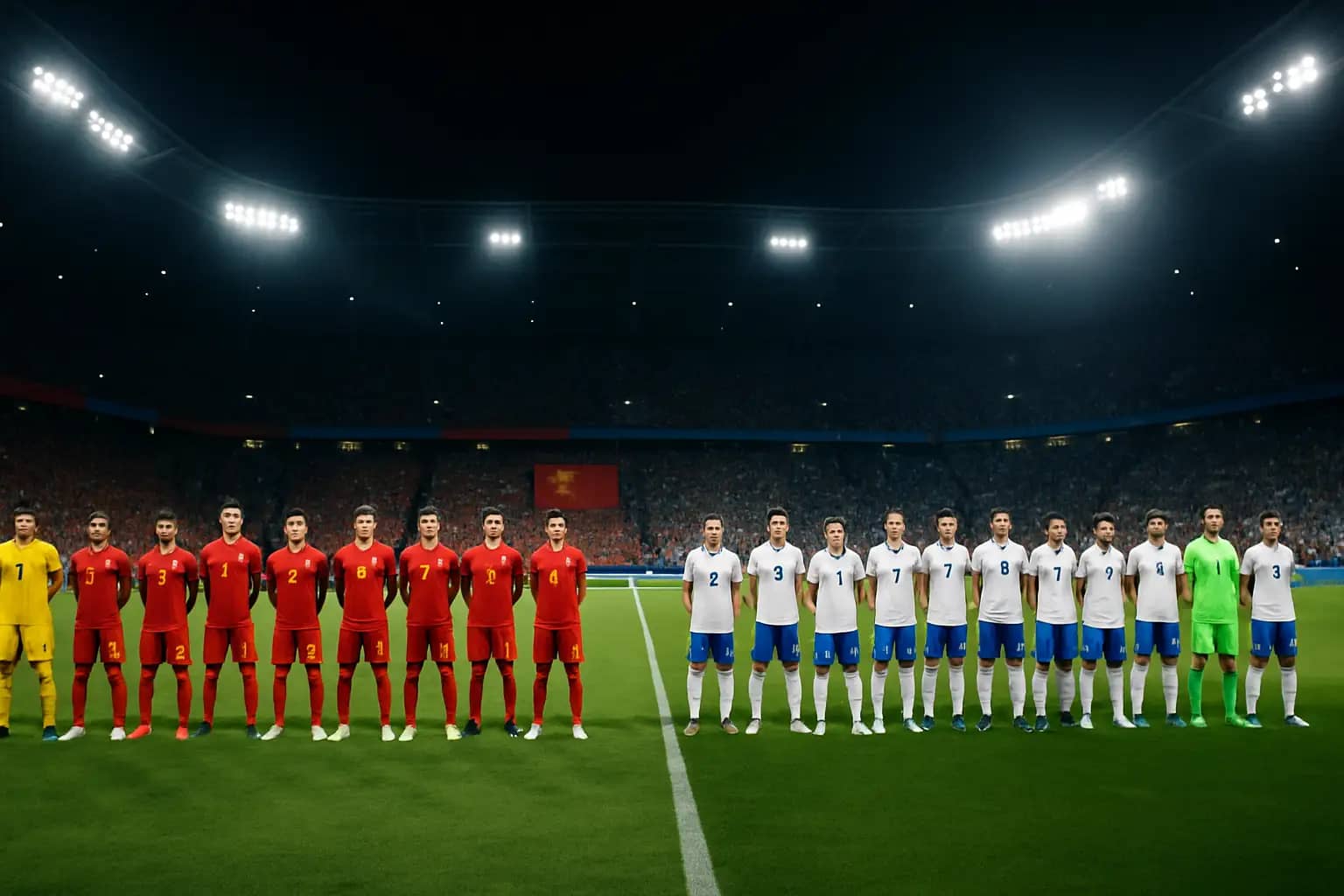
FOX Sports highlighted this unifying dimension of the tournament, pointing to the way countries as different as Germany and Ecuador find common ground through football's biggest stage. The sport's simplicity is part of the reason it travels so well. A ball, a goal, and 90 minutes of play need no translation.
The FIFA World Cup has grown into something far beyond a football competition. It is a cultural event that governments, broadcasters, and sponsors treat as a once-in-a-generation platform. Hosting rights are fought over fiercely. Broadcast deals run into the billions. And when the tournament actually begins, all of that machinery fades into the background as the matches take over.
Germany, Ecuador and the Breadth of World Cup Participation
The pairing of Germany and Ecuador as symbols of the World Cup's global reach is telling. Germany is one of the sport's traditional powerhouses, a four-time world champion with a football culture woven into national identity. Ecuador represents a different story, a South American nation that has qualified for multiple tournaments in recent decades and brought passionate support each time.
That contrast captures something real about how the World Cup functions. It is not just a competition for the sport's established giants. Smaller footballing nations qualify, compete, and sometimes cause major upsets. That unpredictability is a core part of the tournament's appeal and one reason fan investment remains so high even in countries with no realistic chance of lifting the trophy.
For supporters in both nations, the World Cup is a moment of genuine pride. Players who compete in club leagues across Europe, South America, and beyond return to represent their countries, and that shift in allegiance carries emotional weight that club football rarely matches.
Why the FIFA World Cup Stands Apart from Other Tournaments
Other international competitions exist, but none carry the same weight. The UEFA European Championship draws a large audience, and the Copa America has a passionate following across South America. Neither comes close to the FIFA World Cup in terms of total global viewership or the sheer number of participating nations.
The qualifying process alone spans years and involves over 200 national associations. By the time 32 teams reach the final tournament, the competition has already touched nearly every corner of the planet. Fans who follow their teams through qualifying often feel a deeper connection to the eventual tournament than those who only tune in once the group stage begins.
Broadcasters like FOX Sports have invested heavily in bringing that full story to audiences, covering not just matches but the cultural context around them. That editorial approach reflects how the World Cup is understood by the people who watch it: as something larger than sport.
Fan Culture and the Human Side of the Tournament
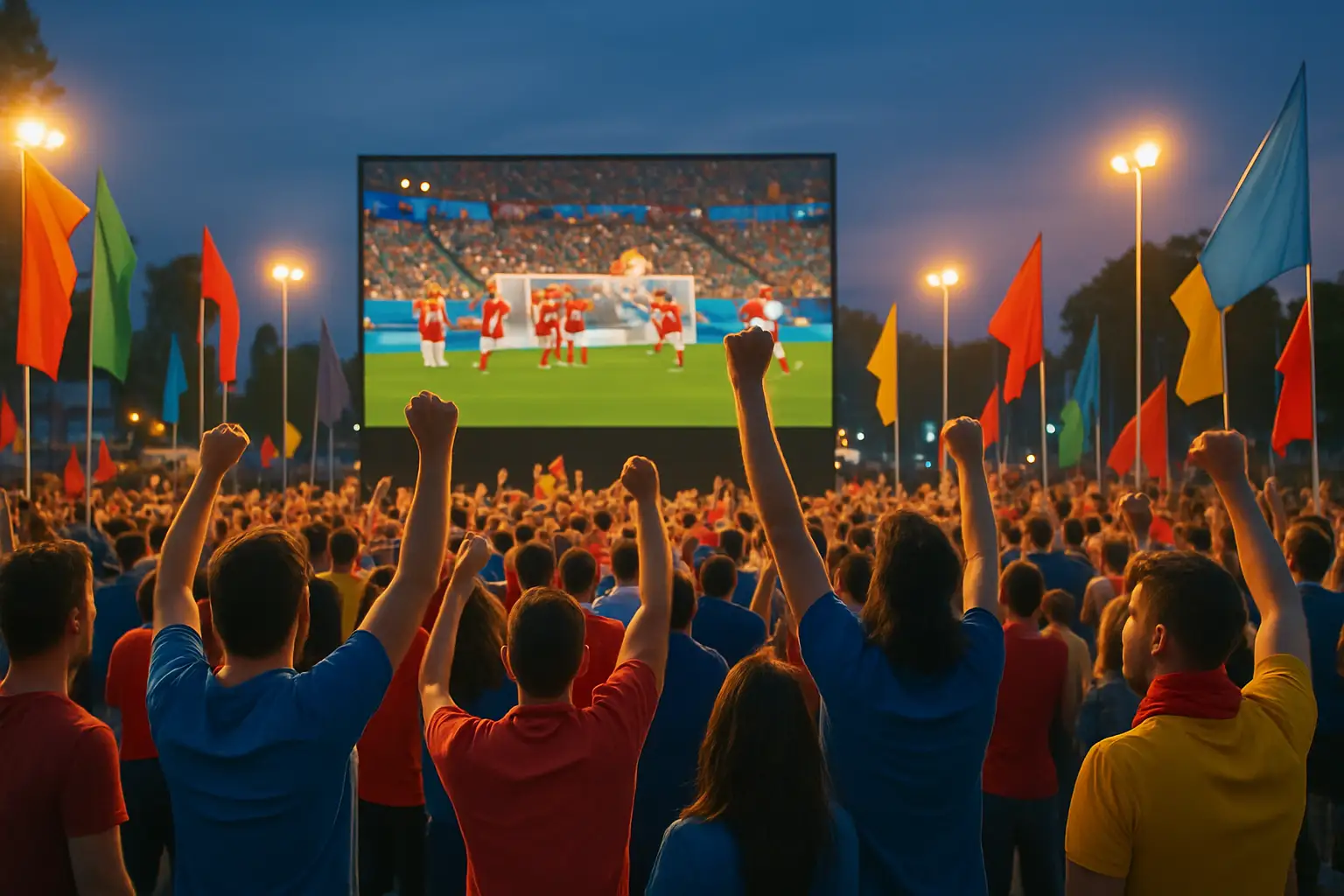
What makes the World Cup genuinely different is what happens away from the pitch. Fan zones fill city centers. Airports become meeting points for traveling supporters wearing colors from opposite ends of the world. Social media amplifies moments that would once have stayed local.
The images that stay with people after a tournament are often not goals or trophies but interactions between fans, gestures of sportsmanship, and the visible joy of a nation watching a player score in a crucial match. Those moments are hard to manufacture and impossible to script. They happen because the stakes are real and the competition is global.
Germany's football history is built on those kinds of moments. So is Ecuador's, in a different register and on a different scale. The World Cup puts both of them on the same field, literally and figuratively, and asks supporters from every background to watch and care.
That is a rare thing in a fragmented media landscape where audiences are increasingly sorted by algorithm into separate communities. The World Cup remains one of the few events that can still pull a genuinely diverse global crowd toward the same screen at the same time.

Football Correspondent
Alex covers football and the global game with fast, sharp analysis.