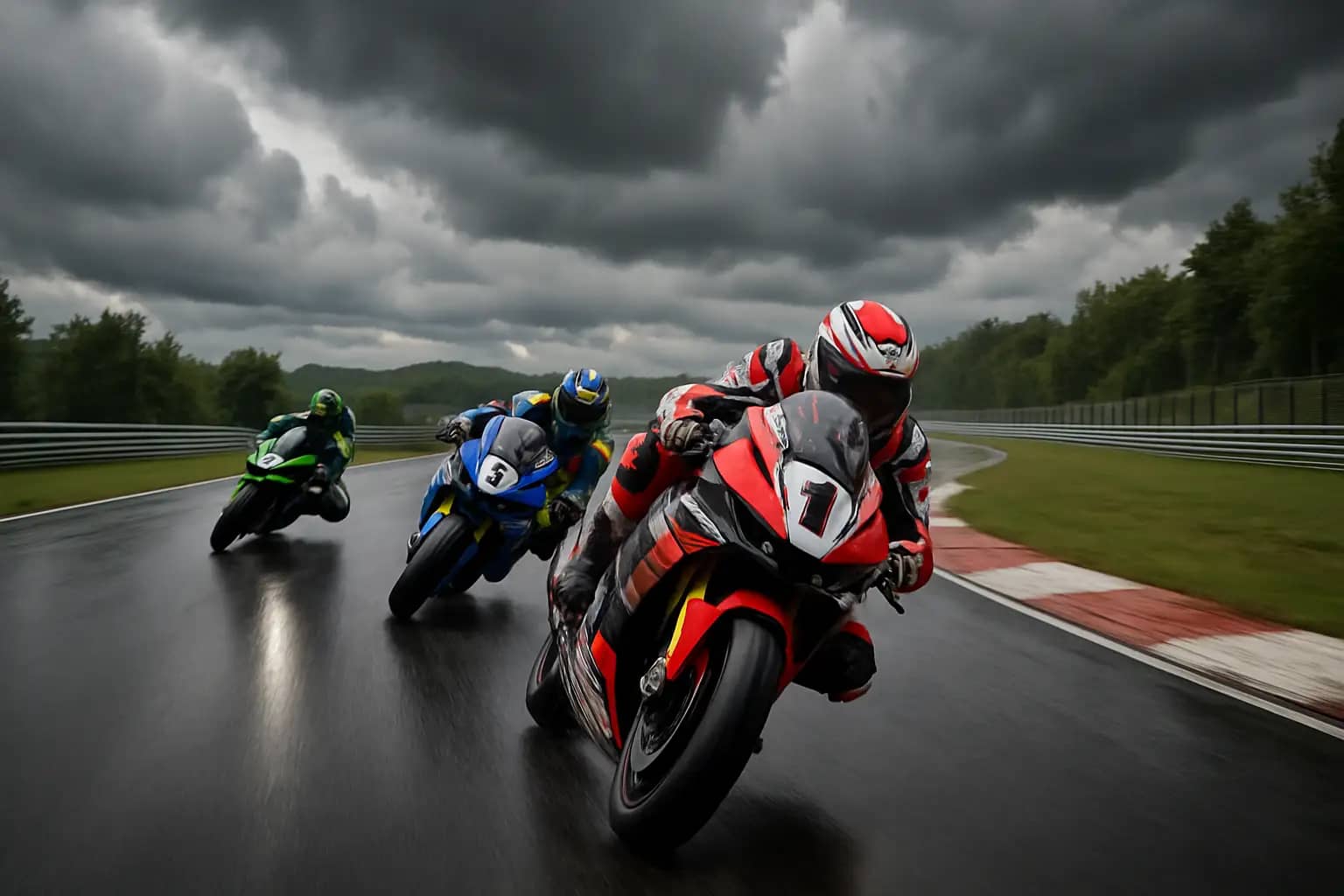
Brno MotoGP Test Sparks Fairness Row After Bagnaia Warning
A warning issued to Francesco Bagnaia has triggered a broader debate over fairness at the Brno MotoGP test, with rivals and paddock figures questioning how rules are being applied.
Bagnaia Warning Puts Brno Test Under the Spotlight
A warning handed to Francesco Bagnaia during the Brno MotoGP test has grown into something bigger than a routine penalty. What started as a single disciplinary call has triggered a paddock-wide argument about whether MotoGP's rules are being applied consistently across all riders and manufacturers.
According to reporting by Motorsport, the warning issued to Bagnaia at Brno prompted immediate pushback from those close to the Ducati camp and drew wider scrutiny from rivals who see the situation as evidence of uneven officiating. The test, intended as a technical development exercise, has instead become the flashpoint for a fairness debate that could have implications beyond the Czech circuit.
Brno has historically served as a key venue for teams to evaluate new components away from the pressure of a race weekend. That makes any controversy there more sensitive. When officiating decisions surface at a test, they tend to raise questions not just about one incident but about the entire framework governing how riders and teams are monitored during non-race running.
What the Row Is Really About
The core of the dispute goes beyond Bagnaia himself. Critics are arguing that the standards applied at Brno were not uniform, and that the warning directed at the Ducati rider would not necessarily have been handed to others in a comparable situation. That perception, whether or not it reflects the full picture, is enough to create friction in a paddock that runs on carefully managed relationships between teams, riders, and governing officials.
Bagnaia enters this controversy as the defending MotoGP world champion, which means scrutiny of how he is treated carries extra weight. Any sense that officials are applying tighter oversight to the title favorite invites accusations of competitive interference, however unintentional.
For Ducati, the situation is also delicate. The Italian manufacturer has dominated recent MotoGP seasons and is already under pressure to justify its position at the front of the grid. A fairness row at a development test adds an unwanted layer of controversy to what should be a straightforward technical exercise.
Wider Implications for MotoGP Governance
The Brno incident fits into a longer pattern of tension between MotoGP's governing structures and the increasingly competitive manufacturer landscape. As factory teams invest more in development and the margins between competitors narrow, every officiating call receives greater scrutiny.
Fairness rows like this one rarely resolve cleanly. They tend to simmer, informing how riders and teams approach future interactions with officials and shaping the political dynamics inside the paddock. For MotoGP as a series, that kind of background noise is something organisers will want to address before it escalates.
Officials have not, based on available reporting, issued a detailed public explanation of the reasoning behind the Bagnaia warning. That silence tends to feed speculation rather than settle it. Transparent communication about how decisions at tests are made and reviewed would go some way toward defusing the current tension.
The situation remains developing, with the paddock waiting to see whether any formal response emerges from MotoGP's governing body or from Ducati itself.

MotoGP Correspondent
Luca Moretti is 21.news's MotoGP correspondent, following the championship from free practice to the podium with an eye for race strategy and tech.