MotoGP 2024: Latest News, Results and Championship Standings
Stay up to date with MotoGP in 2024, covering race results, rider news, team updates and the battle for the world championship title.
MotoGP Remains the Pinnacle of Motorcycle Racing
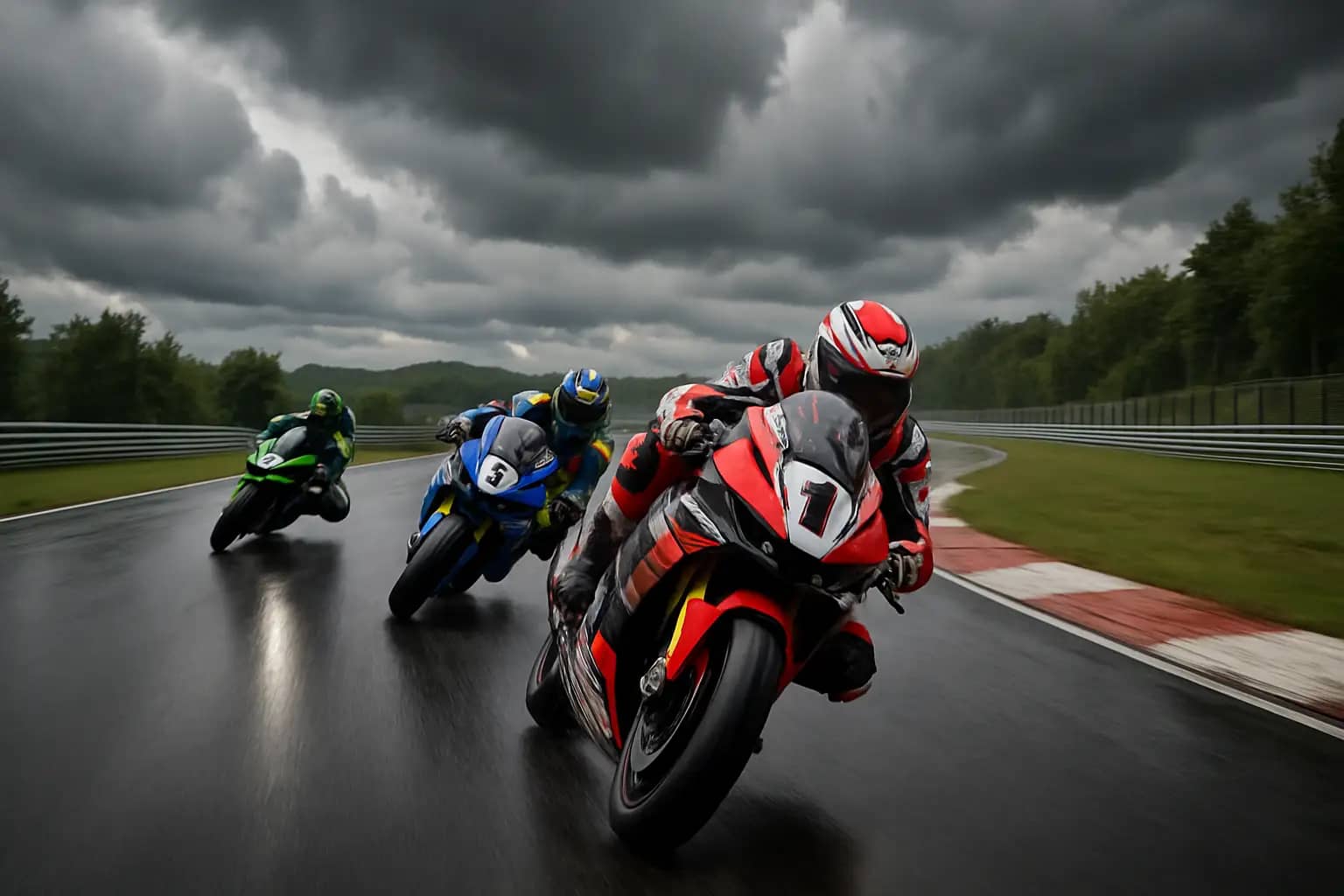
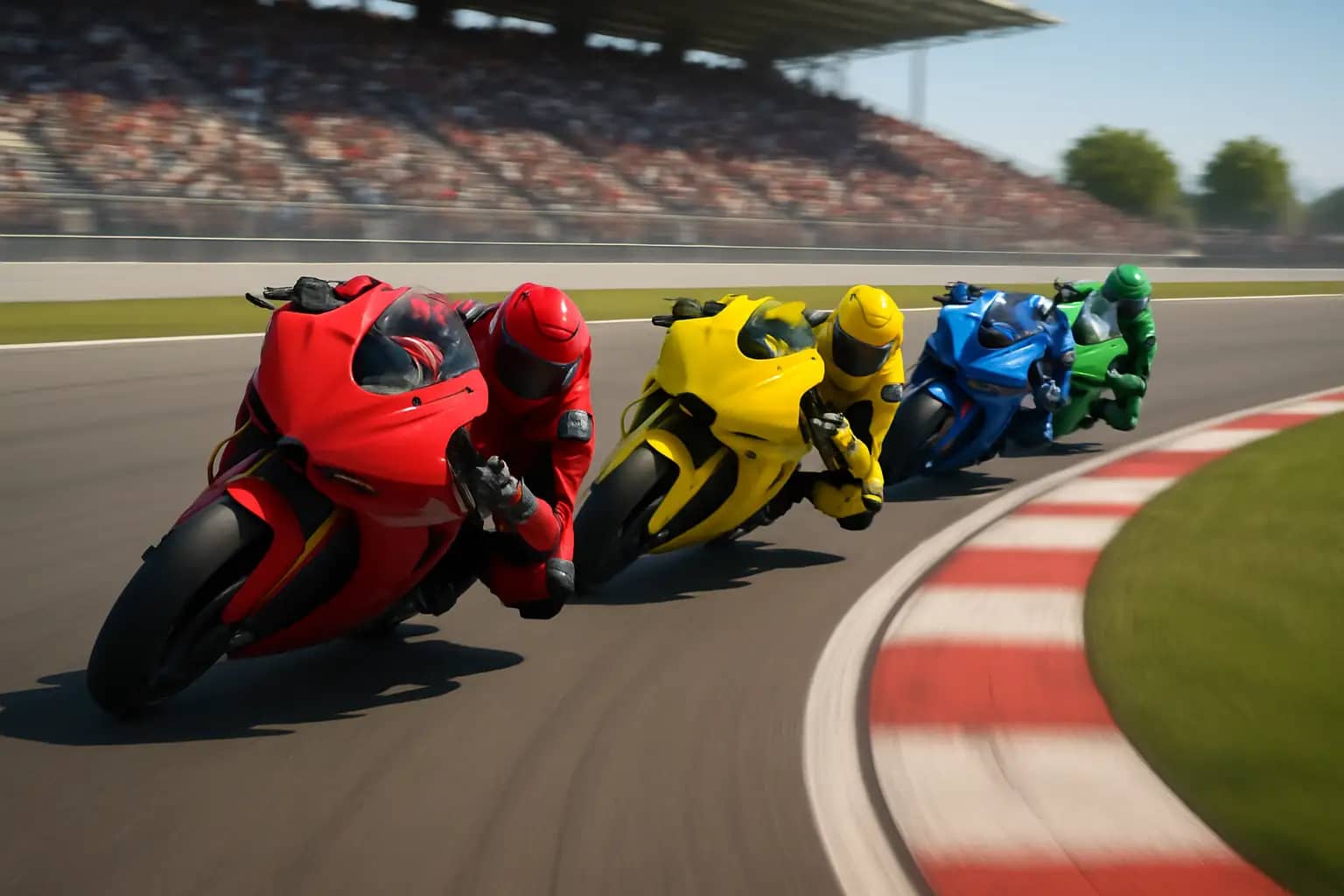
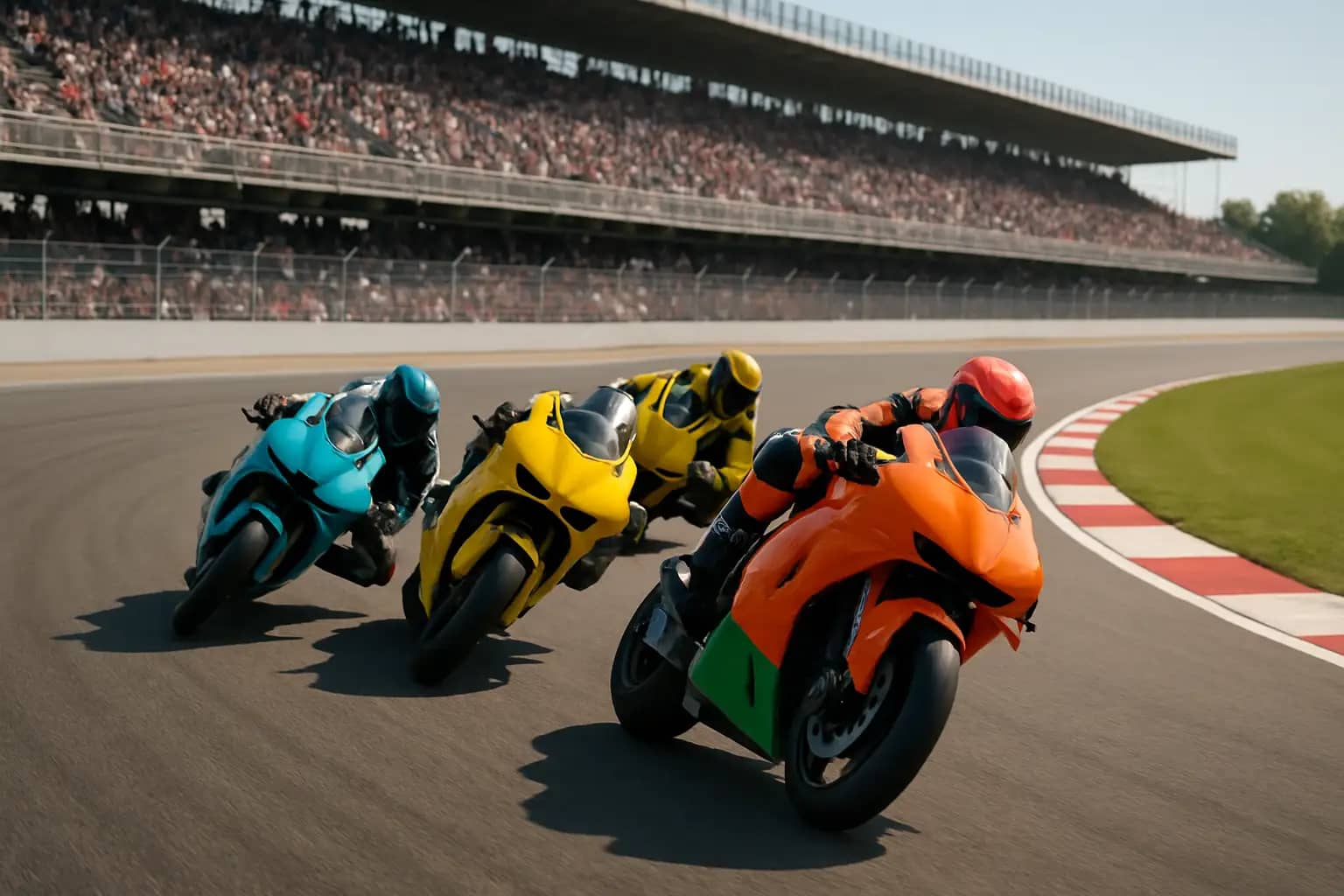
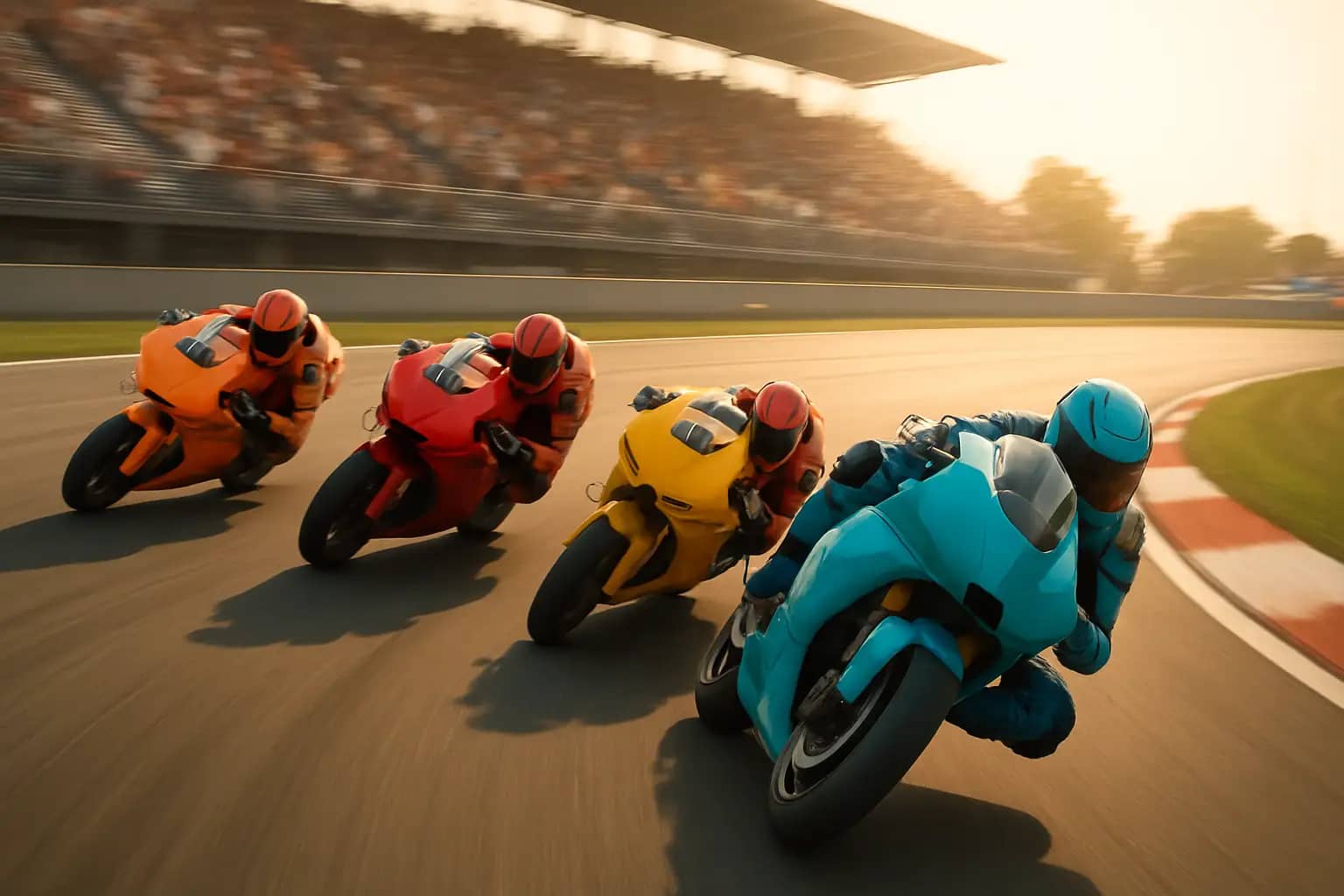
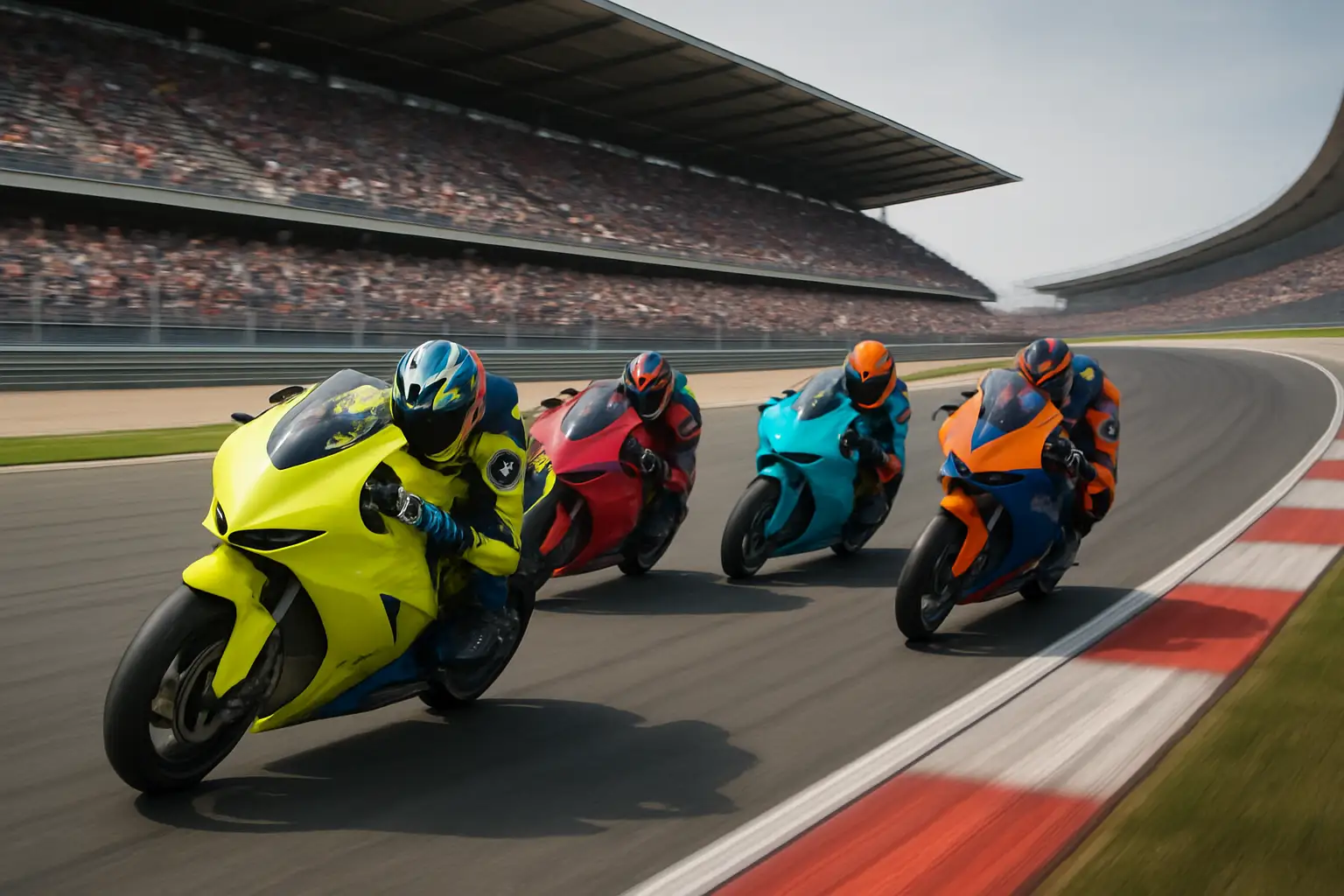
MotoGP continues to draw millions of fans worldwide as the premier class of Grand Prix motorcycle racing. The series pits the fastest production-derived prototypes on the planet against each other across circuits spanning Europe, Asia, the Americas and beyond. Each season is a grueling test of rider skill, engineering precision and team strategy.
The championship format awards points across sprint races and main Grand Prix events, meaning riders must stay consistent across an entire calendar that stretches from early spring through to late autumn. A single mechanical failure or crash can shift the title picture dramatically, and that unpredictability keeps audiences engaged from the opening round to the last.
Factory teams from manufacturers including Ducati, Honda, Yamaha, Aprilia and KTM field machines capable of exceeding 350 km/h. Satellite teams running identical or slightly older machinery add depth to the grid, giving developing riders a path toward factory contracts.
Rider Storylines Driving the Season
The human element is what lifts MotoGP beyond pure engineering competition. Riders commit to extraordinary physical demands, enduring high g-forces through corners, extreme braking events and the constant psychological pressure of racing wheel-to-wheel at triple-digit speeds.
Injuries remain a real and recurring part of the sport. A heavy crash during practice or a race can sideline a title contender for multiple rounds, opening the door for rivals who keep their machinery on track. Teams plan around this risk by developing test riders and reserve lineups capable of stepping in at short notice.
Contract negotiations and rider transfers generate significant off-track interest throughout the year. Factory seats are scarce, and when one becomes available the rumor mill runs at full speed. Announcements about the following season's grid sometimes arrive before the current campaign is even finished, creating a layer of intrigue that runs parallel to the on-track action.
How the Points System Shapes the Championship
Understanding MotoGP's points structure helps explain the tactical decisions riders and teams make during a race weekend. The main Grand Prix awards 25 points to the winner, with points distributed down to 15th place. The sprint race, held on Saturday, offers a reduced points haul with 12 points for the winner.
This dual-race format, introduced in recent seasons, changed how teams approach the weekend. Saving tyres and managing risk across two competitive events requires careful calculation. A rider who pushes too hard in Saturday's sprint risks compromising their Sunday setup, while playing it safe could hand rivals a points advantage before the main event even starts.
The constructors' and teams' championships run alongside the riders' title, giving every result added significance. A strong points haul benefits not just the individual rider but the entire organization backing them, influencing sponsorship valuations and internal investment decisions.
Circuits, Crowds and the Global Reach of MotoGP
MotoGP's calendar is one of the most geographically diverse in motorsport. Races take place on purpose-built permanent circuits and, in some cases, on temporarily constructed street or urban venues. Each circuit presents a different set of challenges, from the long fast sweeps of certain European tracks to the stop-start technical demands of tighter layouts popular in Asia.
Attendance figures at premier venues routinely reach into six digits across a race weekend. The Spanish rounds, held at circuits including Jerez and the Circuit de Barcelona-Catalunya, are known for generating some of the most passionate crowds in the sport. The Italian rounds at Mugello carry similar energy, with fans packing hillside grandstands to watch their favored manufacturers and riders.
Broadcast partnerships and streaming deals have extended MotoGP's reach into markets that previously had limited access to live coverage. Digital content, team social media channels and behind-the-scenes programming now supplement the race broadcasts, creating a year-round media presence rather than a seasonal one.
The series also invests in feeder categories. Moto2 and Moto3 run on the same weekends as MotoGP, giving fans three classes of racing for the price of one attendance. Riders who shine in the lower classes earn the attention of factory talent scouts, making every Moto3 and Moto2 round a de facto audition for the top tier.
For neutral observers and committed fans alike, MotoGP offers a combination of technology, athleticism and competitive tension that few other sports can match. The battle for each race win, and ultimately the world championship, plays out across months and continents, with the outcome rarely certain until the final rounds of the calendar.

MotoGP Correspondent
Luca Moretti is 21.news's MotoGP correspondent, following the championship from free practice to the podium with an eye for race strategy and tech.