MotoGP 2024: Latest News, Results and Championship Standings
Stay up to date with the latest MotoGP news, race results, rider updates and championship standings from the premier class of motorcycle racing.
MotoGP Remains the Pinnacle of Motorcycle Racing
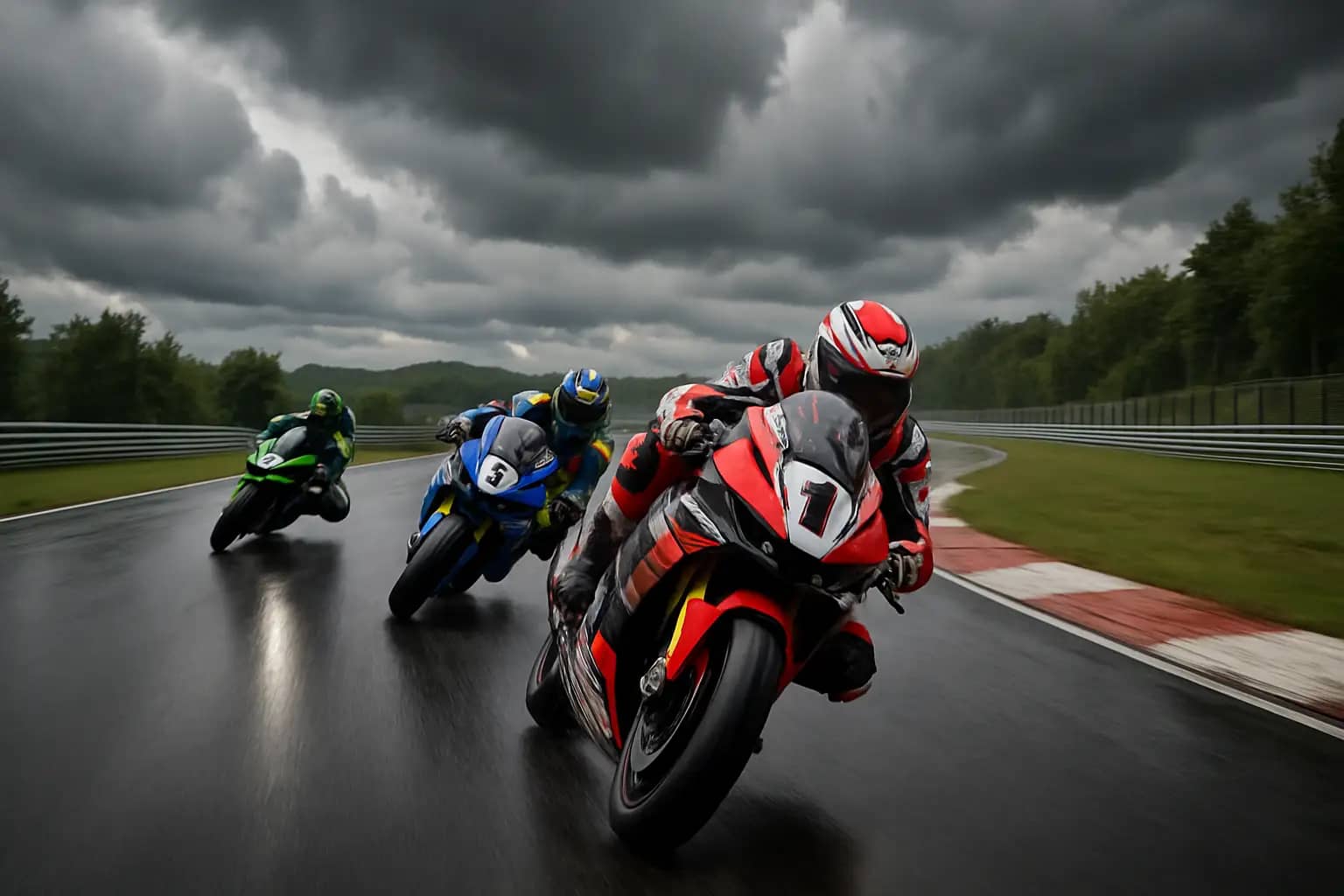
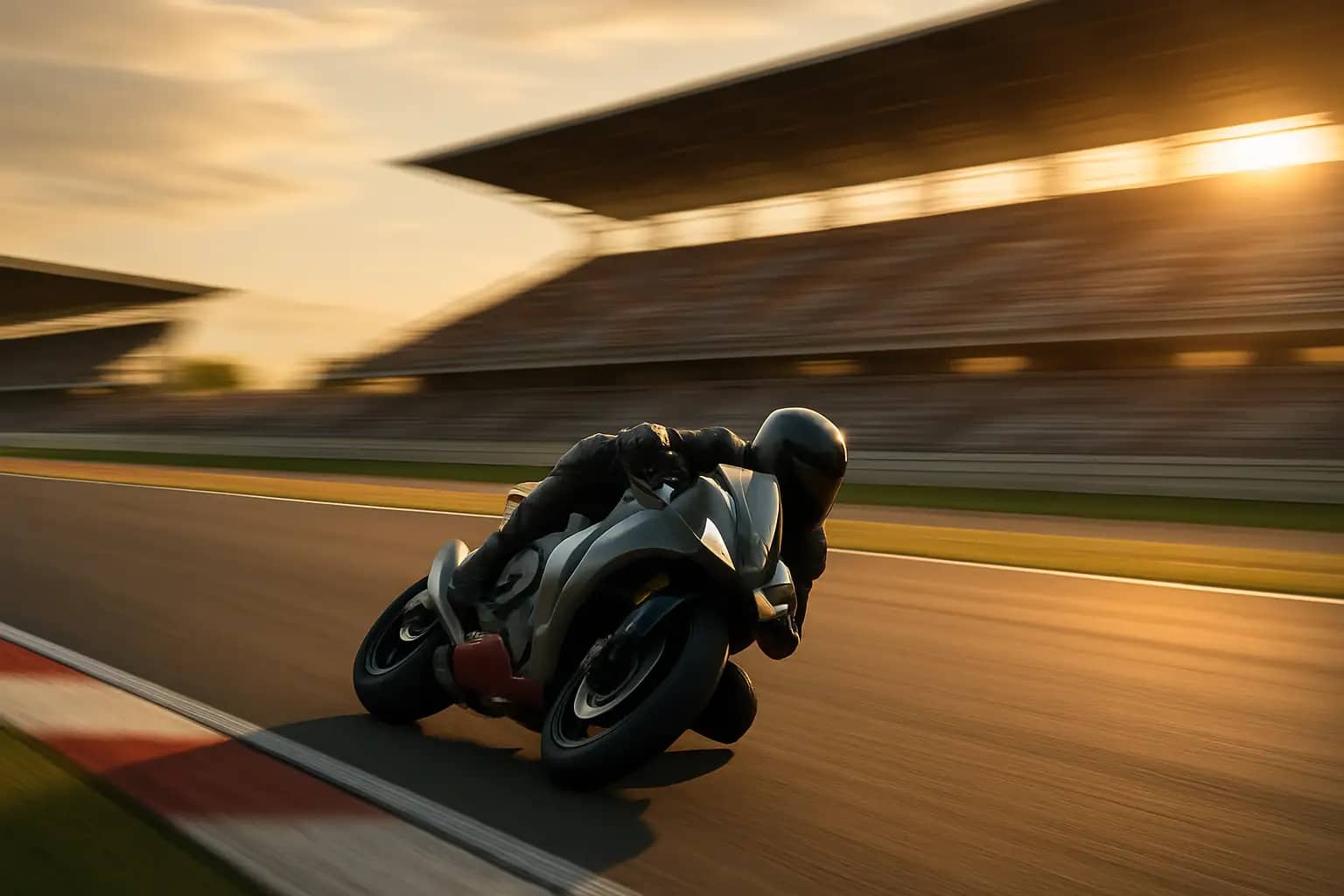
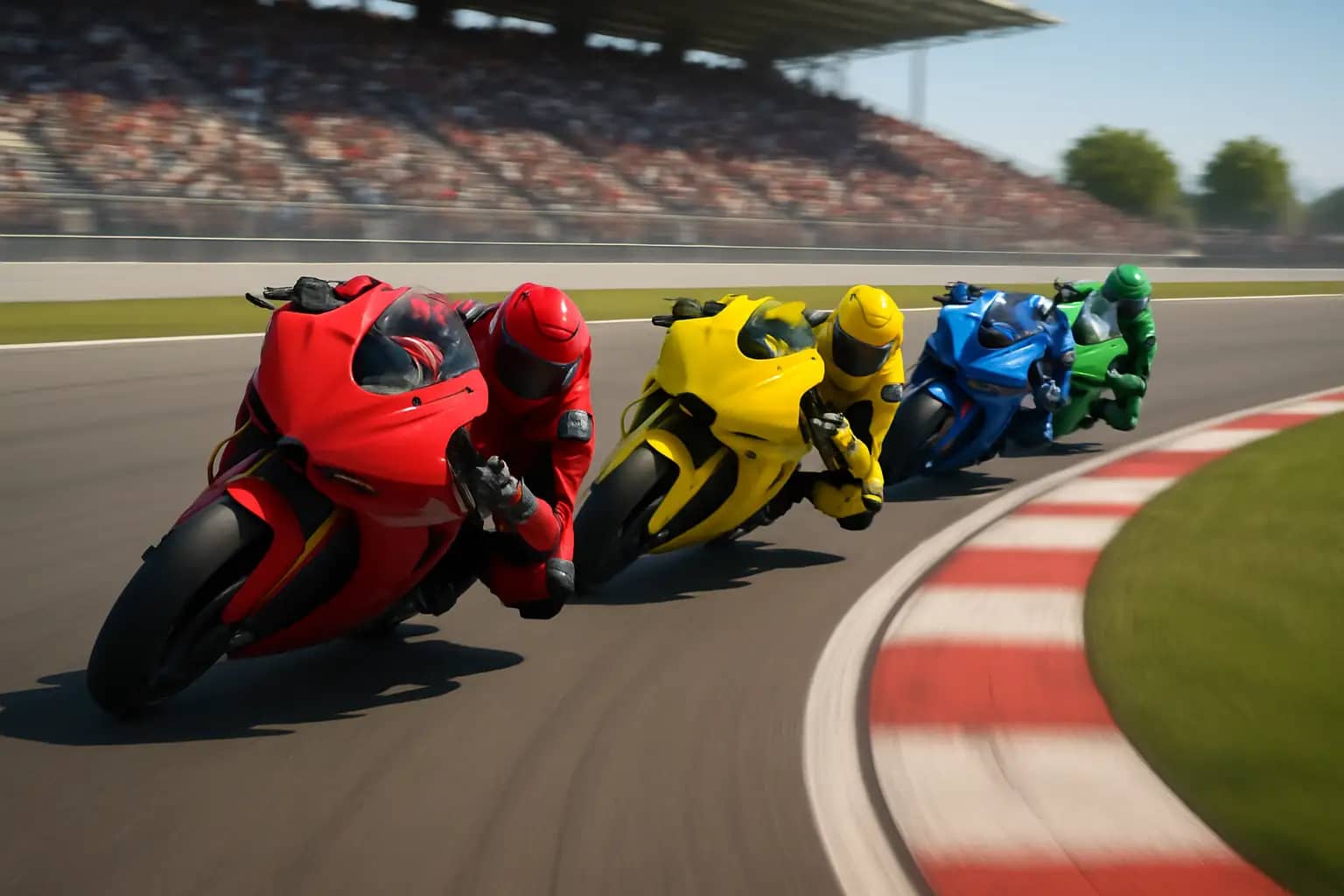
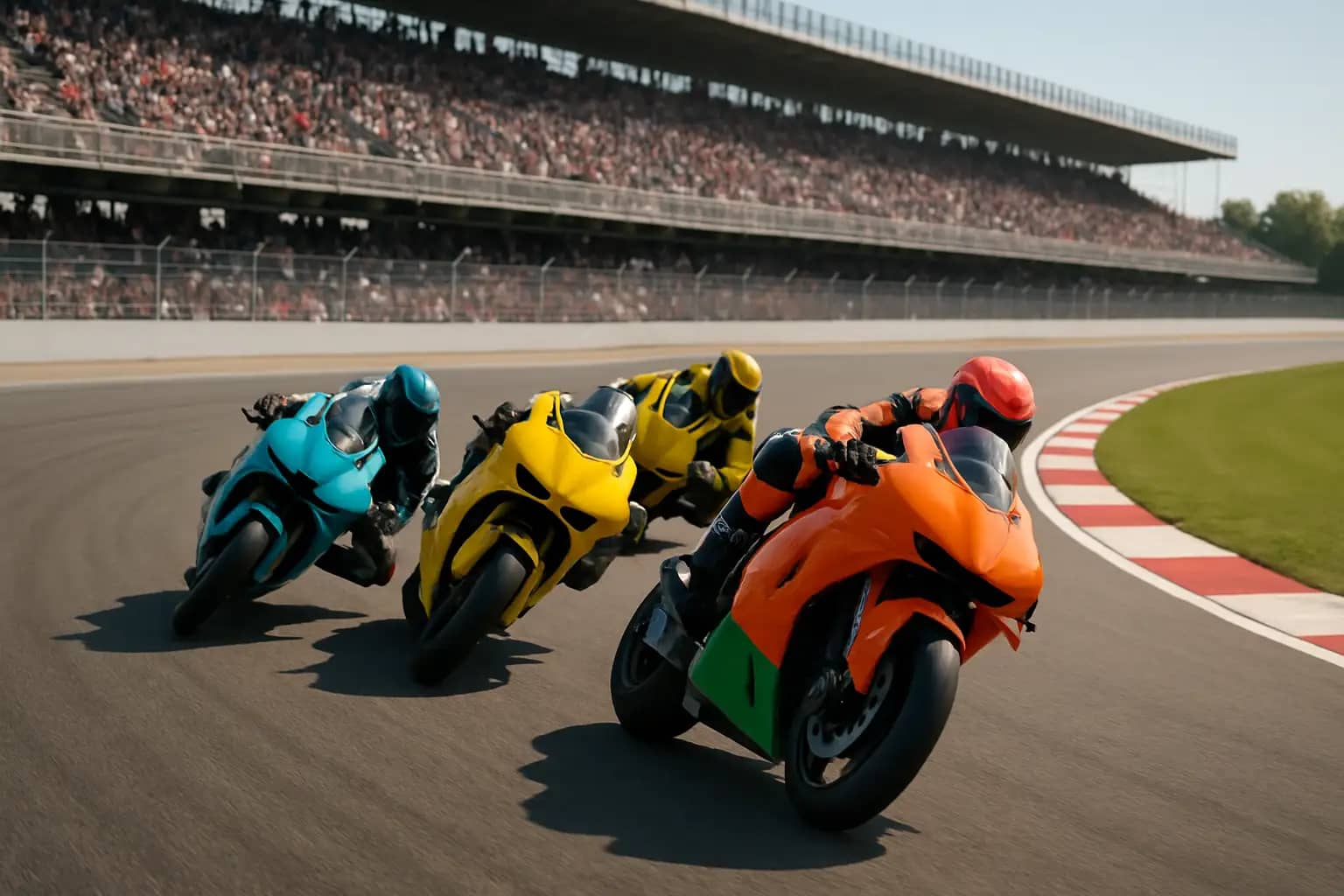
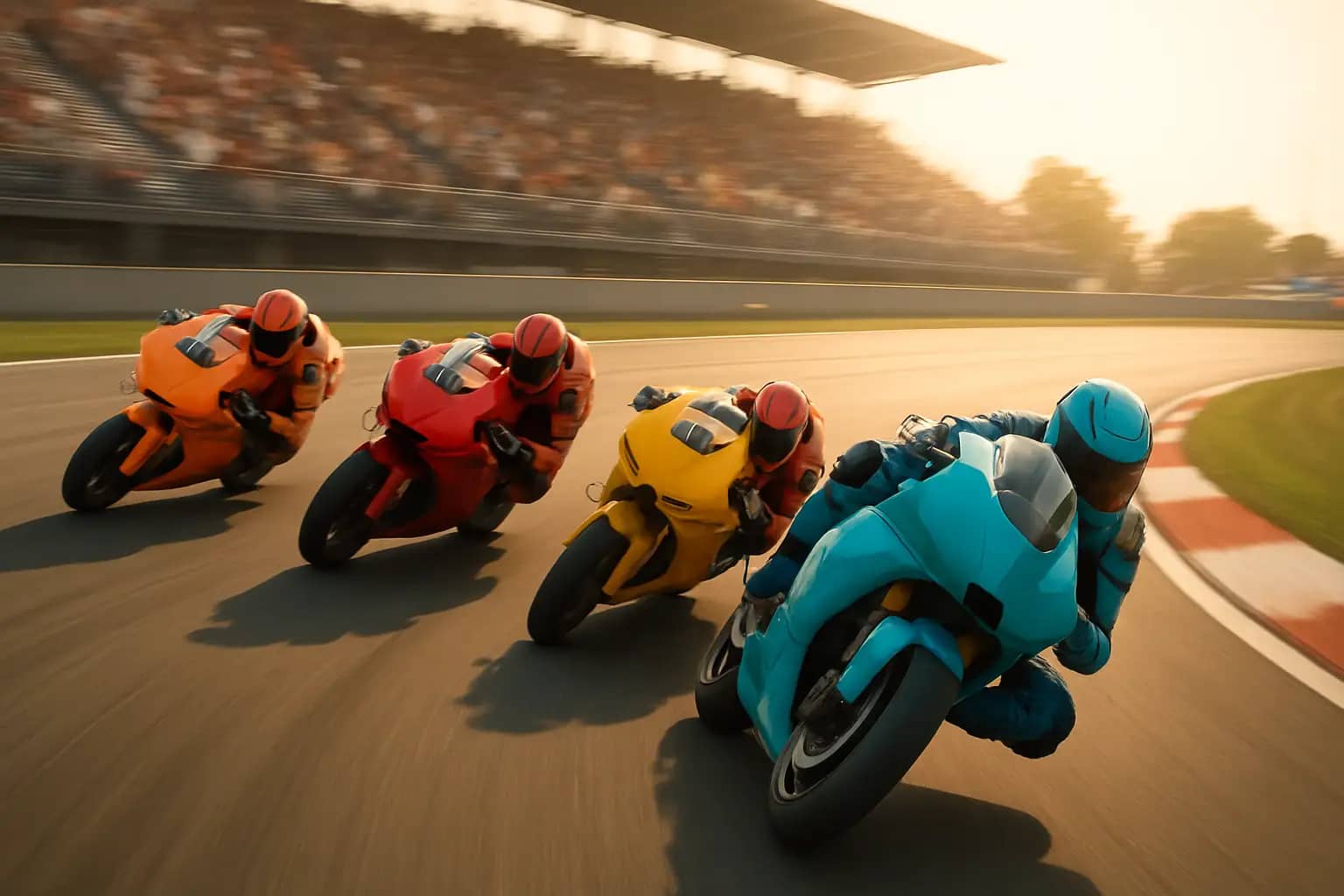
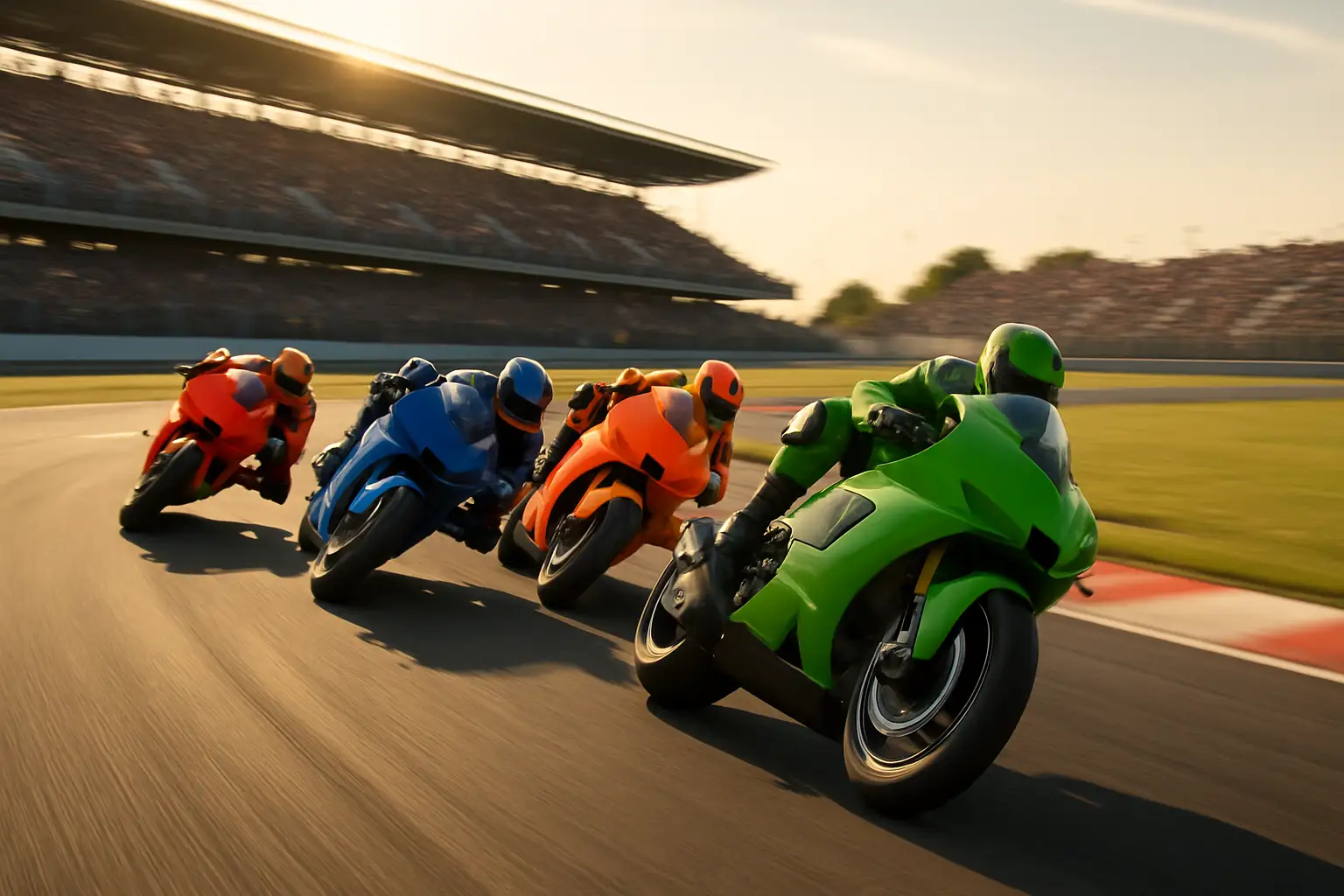
MotoGP continues to captivate millions of fans around the world as the premier class of Grand Prix motorcycle racing. The championship brings together the fastest factory machinery and the most skilled riders on the planet, competing across a global calendar that spans Europe, Asia, the Americas and beyond.
The series is sanctioned by the FIM, the international governing body for motorcycle sport, and is commercially managed by Dorna Sports. Each season, manufacturers including Honda, Yamaha, Ducati, Aprilia, KTM and Suzuki - though not all of these are active at any given time - develop prototype bikes pushing the boundaries of two-wheeled engineering.
Riders compete on machines capable of exceeding 350 km/h, with electronics, aerodynamics and tyre technology playing an increasingly significant role in determining race outcomes.
The Championship Format and How Points Work
A standard MotoGP race weekend consists of three practice sessions, a qualifying session that determines grid positions, and the main race. In recent seasons, sprint races held on Saturdays have been introduced, offering riders additional points and adding a new tactical dimension to each round.
Points are awarded on a structured scale from first to fifteenth place in both sprint and full-distance races. The sprint awards half points compared to a grand prix, which means a race victory is worth 25 championship points. Consistency across a full season often separates title contenders from the rest of the field.
The constructors and teams championships run alongside the riders title, meaning every round carries significant stakes beyond individual glory.
Rider Transfers and Factory Battles Shape Each Season
One of the most talked-about aspects of MotoGP away from the track is the rider market. Contract negotiations, factory seat changes and team restructuring generate substantial news throughout the year. Moves between satellite teams and factory squads can define a rider's career trajectory and shift the competitive balance across the grid.
Ducati has in recent years fielded multiple competitive machines through both its factory Lenovo squad and satellite partnerships, creating an unusual dynamic where riders on nominally customer bikes have challenged for podiums and victories. This has prompted ongoing debate about how the championship handles spec hardware versus fully factory-supported machinery.
KTM and Aprilia have both made significant investments in their programs, closing the gap to the traditional Japanese manufacturers and making the front of the grid more competitive than at any point in recent memory.
Circuits, Fans and the Global Reach of MotoGP
The MotoGP calendar typically includes rounds across Spain, Italy, France, Germany, the Netherlands, Portugal, Great Britain, Malaysia, Japan, Australia, Indonesia, Thailand, Argentina, the United States and Qatar, among others. Each circuit presents a different challenge, from the tight and technical layout of some historic European venues to the long, fast straights found at circuits in Southeast Asia.
Attendance figures at marquee rounds regularly run into the hundreds of thousands across a full race weekend. The Spanish rounds in particular, held at circuits including Jerez and the Circuit de Barcelona-Catalunya, draw enormous crowds given the country's deep connection to the sport through both riders and manufacturers.
Broadcasting rights cover most major markets, and the championship's digital and streaming presence has grown substantially, reflecting a broader shift in how motorsport audiences consume live sport.
Tyre supply is handled exclusively by Michelin in the premier class, with the French manufacturer providing a controlled allocation of compounds to all riders at each round. Tyre selection strategy, particularly in variable weather conditions, can have a decisive influence on race results.
Safety has been a persistent area of focus for organisers. Track surface improvements, updated barriers and the mandatory use of airbag-equipped leathers have all been part of an ongoing effort to reduce injury risk in a sport where crashes at high speed remain an unavoidable reality.
The championship's technical regulations are reviewed regularly by the FIM and Dorna, with changes to engine allocation, electronics rules and minimum weight limits all subject to negotiation between the governing bodies and the manufacturers. Keeping competition close while allowing genuine technical development is a balance organisers have worked to maintain across multiple rule cycles.
For fans following the season race by race, the championship standings can shift dramatically after a single weekend. A mechanical failure, a crash or a late-race overtake can compress or extend the gap between title contenders within the space of a few laps, which is a large part of what keeps the audience engaged from the opening round to the final flag.

MotoGP Correspondent
Luca Moretti is 21.news's MotoGP correspondent, following the championship from free practice to the podium with an eye for race strategy and tech.