MotoGP 2025: What to Watch This Season
The MotoGP world championship continues to draw massive global audiences. Here is a look at the key storylines shaping the 2025 premier class season.
MotoGP Enters a New Chapter in 2025
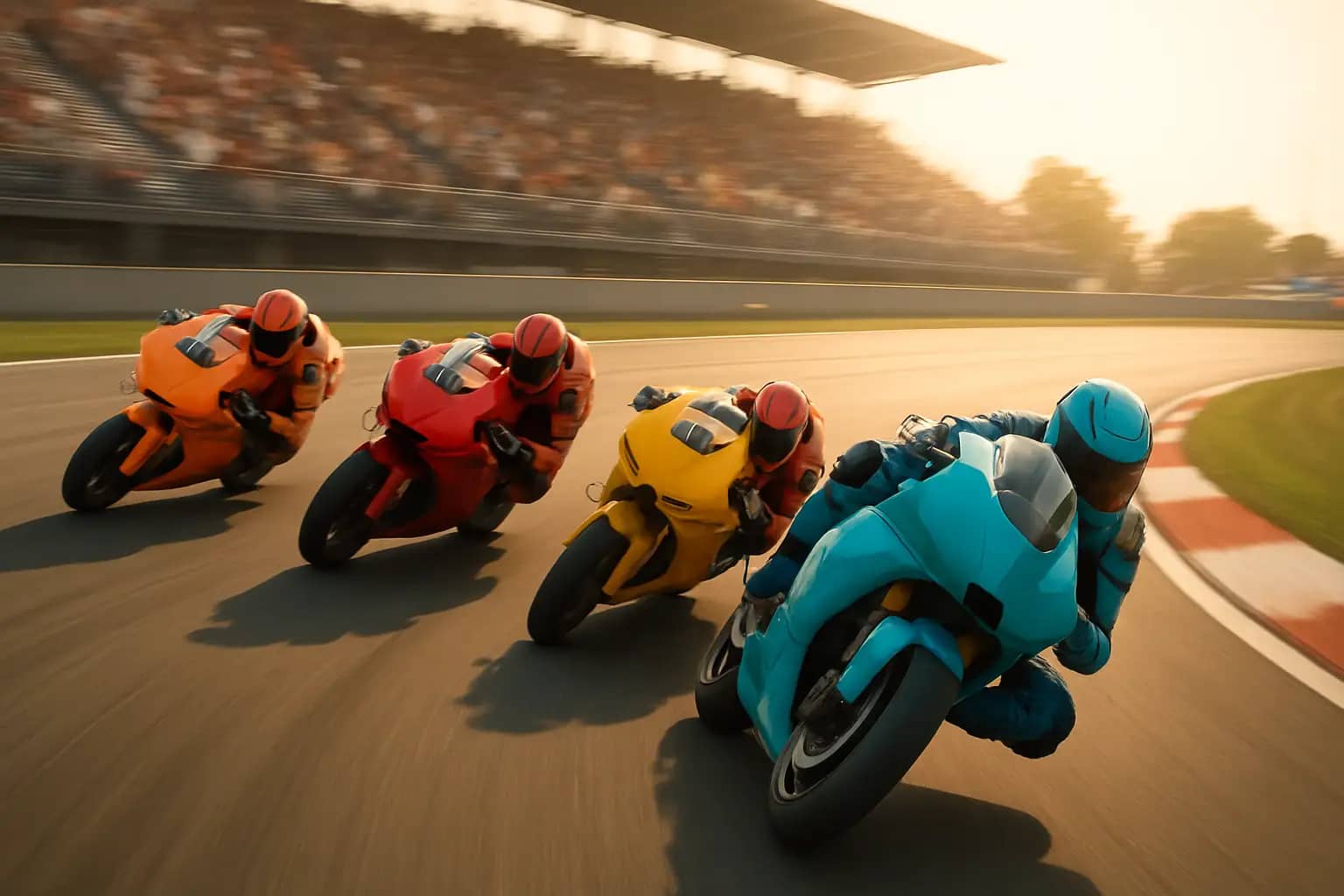
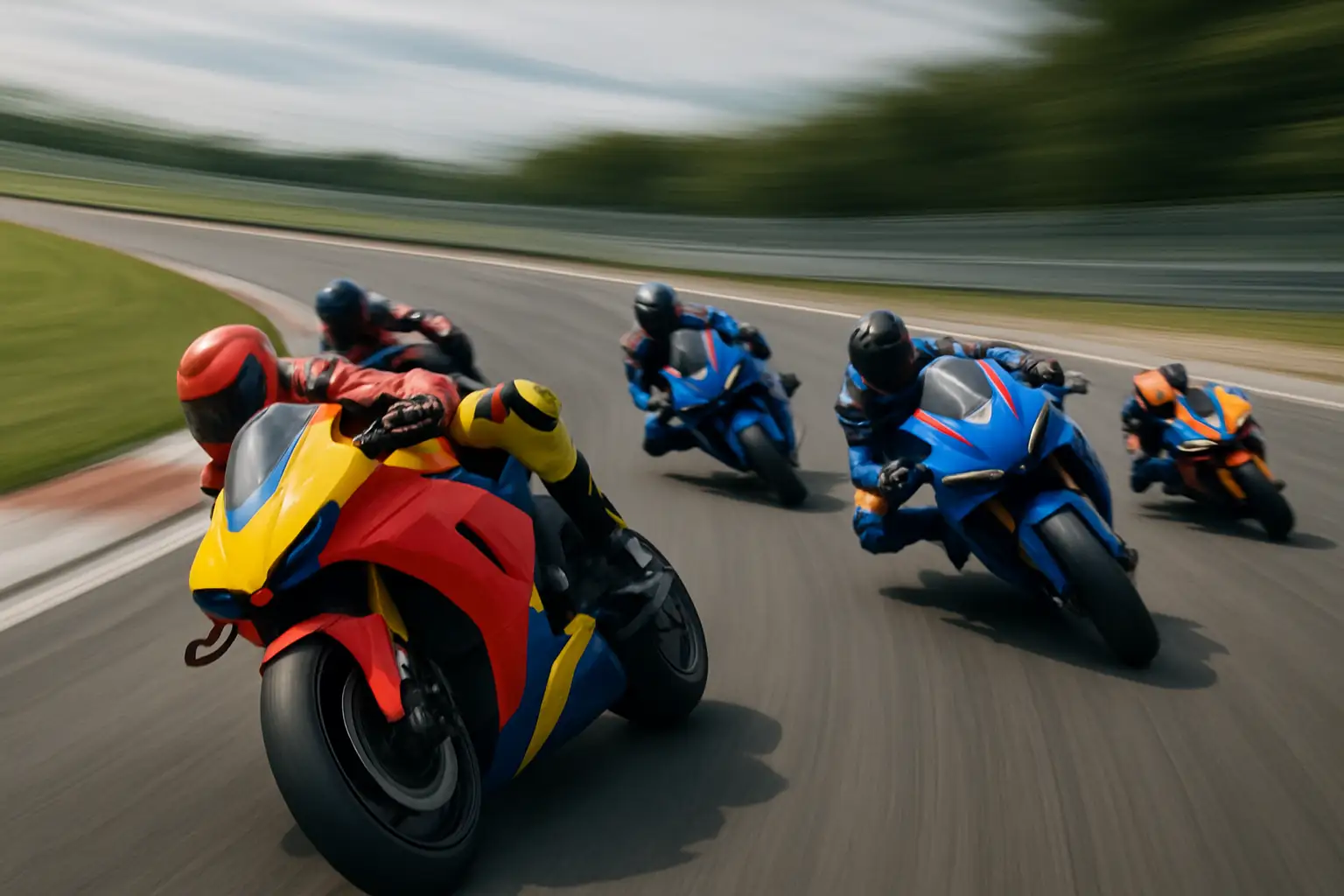
MotoGP remains the pinnacle of two-wheeled motorsport, and the 2025 season is shaping up to be one of the most competitive in recent memory. Factory teams are pushing development cycles harder than ever, rider lineups have shifted across the grid, and the calendar spans multiple continents, keeping fans engaged from March through November.
The premier class continues to attract new markets, with broadcast deals and streaming partnerships expanding the sport's reach into regions that had little exposure to grand prix motorcycle racing just a few years ago.
Rider Movements and Factory Battles
One of the defining storylines of any MotoGP season is how riders adapt to machinery. In the modern era, the performance gap between the top manufacturers has narrowed considerably. Ducati, Honda, Yamaha, Aprilia, and KTM all field competitive machines, and satellite teams regularly challenge for podium positions, not just points finishes.
Rider moves during the off-season always reshape the competitive picture. When a front-runner switches manufacturers, the opening rounds of the season become a calibration exercise, with engineers and riders working through setup data on circuits they may have tested but never raced on together.
The satellite grid deserves attention too. In MotoGP, the second-tier Pramac, Trackhouse, LCR, and similar operations often run machinery that is only one or two specification steps behind full factory bikes. That structure means a talented rider on a satellite entry can realistically challenge for race wins, not just top-ten results.
The Technical Side: Aerodynamics and Electronics
MotoGP bikes are among the most technologically sophisticated racing vehicles on the planet. Aerodynamic development has accelerated significantly over the past several seasons. Front downforce wings, rear spoilers, and complex airflow management around the swingarm and chassis have changed how bikes corner and accelerate out of slow turns.
Electronics packages manage traction control, engine braking, anti-wheelie systems, and launch control. The unified software framework mandated by the series keeps things somewhat level, but factories still find legal ways to optimize how their hardware interacts with the shared system. Small gains in electronics calibration can translate to meaningful lap time differences over a race distance.
Tire management remains a critical skill. Michelin supplies control rubber to the whole field, and a rider who can protect rear grip over a 25-lap race often outperforms someone with raw one-lap pace. Strategy calls around tire compound choice and when to push are decisions made by both riders and pit-wall engineers in real time.
Why MotoGP Matters Beyond the Racetrack
The championship is more than a sporting competition. Manufacturers use MotoGP as a direct laboratory for road-going technology. Lessons learned from thermal management, braking systems, and suspension dynamics filter down into production motorcycles over time. That connection between racing and road bikes gives the sport an industrial relevance that pure circuit racing series sometimes lack.
From a media standpoint, MotoGP's global broadcast footprint means a race in Southeast Asia or the Americas reaches audiences across dozens of time zones simultaneously. Digital highlights, team social media, and onboard camera footage have helped younger audiences connect with the sport in ways that traditional television alone could not deliver.
Attendance at individual rounds routinely reaches six figures across a race weekend, with certain circuits, particularly those in Spain, Italy, and the Netherlands, selling out months in advance. Local economies around grand prix venues benefit significantly from the influx of traveling fans.
For the teams, sponsors, and the series organizer Dorna Sports, 2025 represents another opportunity to build on a foundation that has made MotoGP one of the world's most-watched annual sporting series. The racing itself, unpredictable by nature, will ultimately determine how the season is remembered.

MotoGP Correspondent
Luca Moretti is 21.news's MotoGP correspondent, following the championship from free practice to the podium with an eye for race strategy and tech.