MotoGP 2025: What to Watch This Season
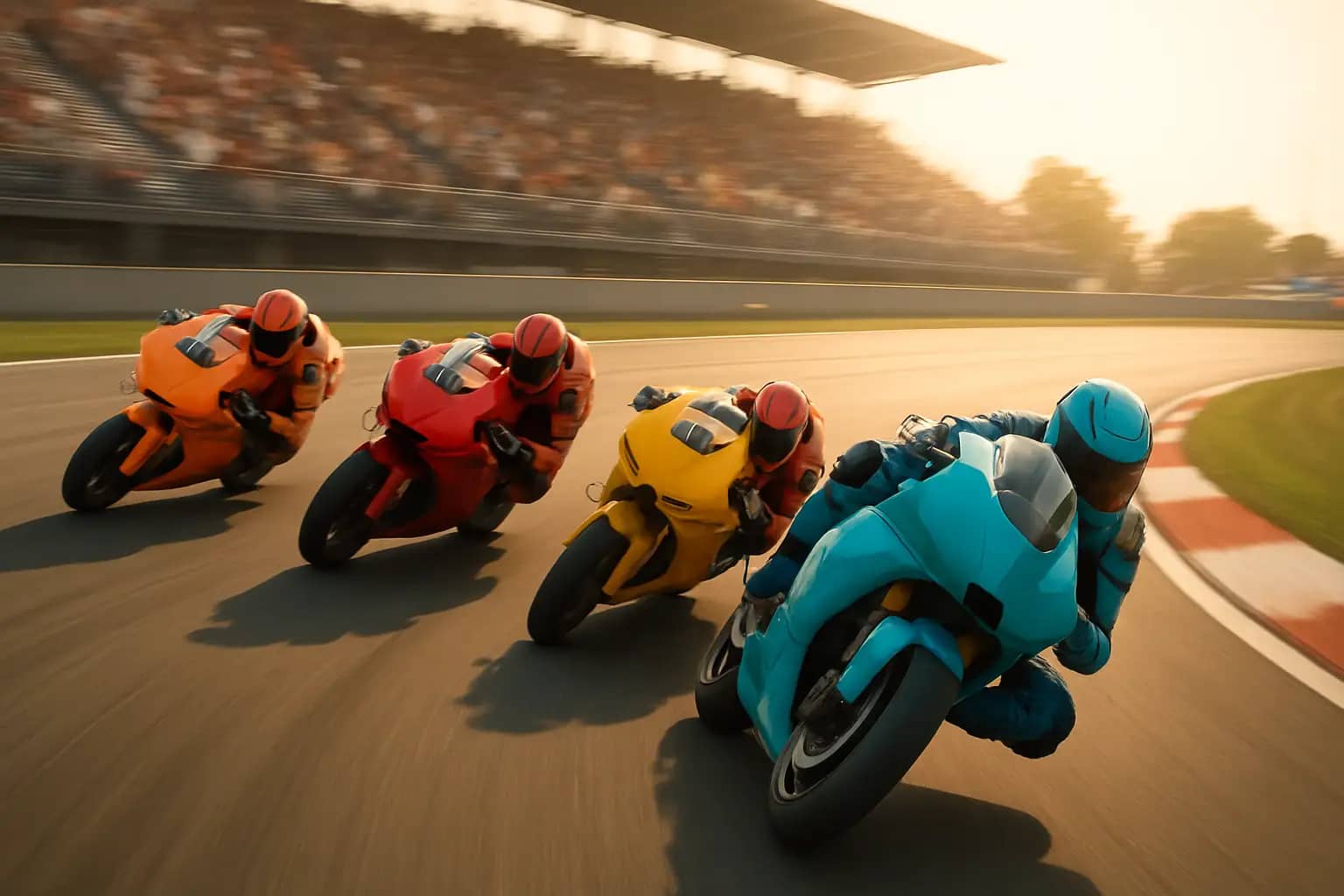
MotoGP continues to draw global attention with fierce competition, technical innovation, and a packed calendar keeping fans on the edge of their seats.
MotoGP Remains the Pinnacle of Motorcycle Racing
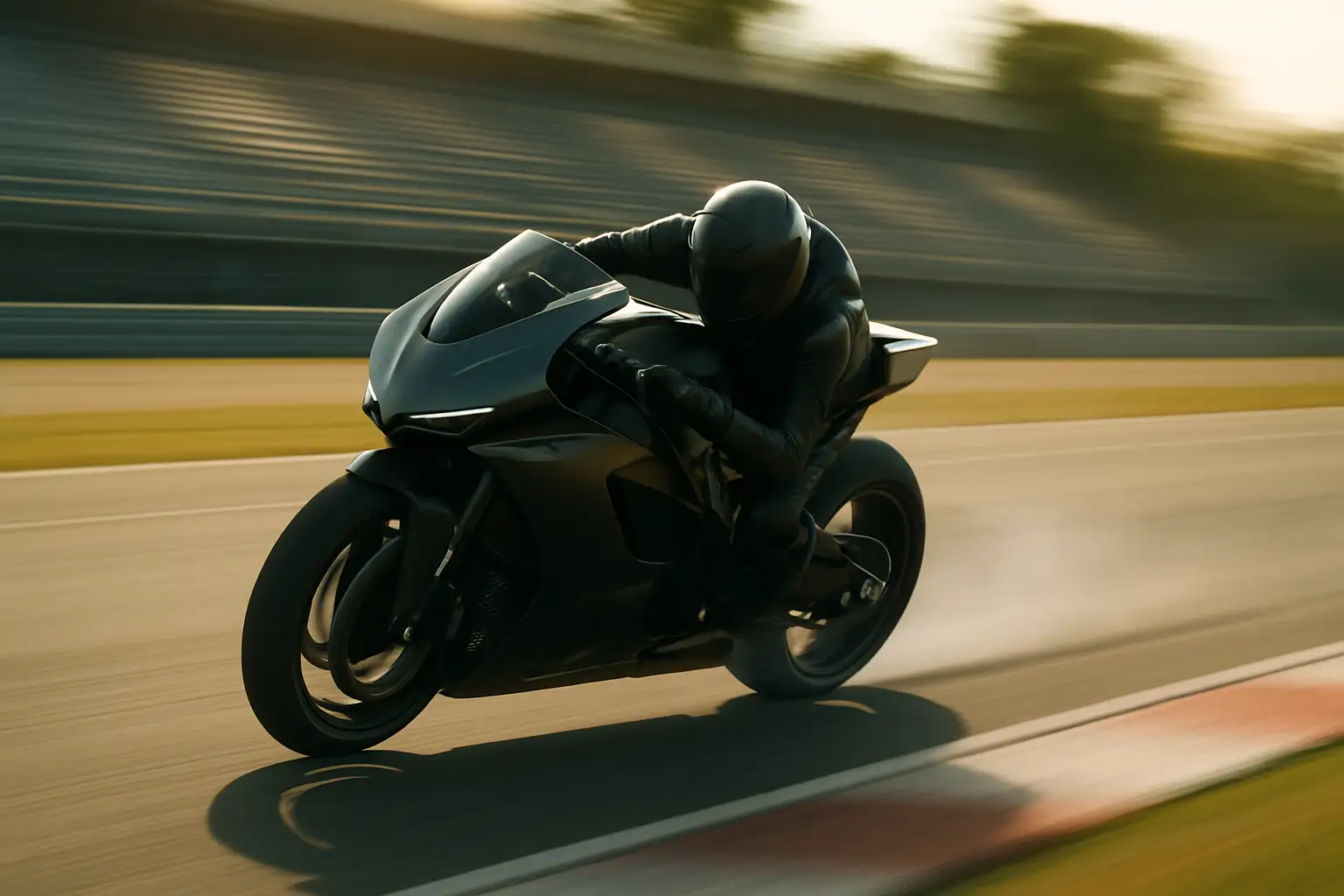
MotoGP is the premier class of the FIM Road Racing World Championship, and the series continues to set the standard for two-wheeled motorsport worldwide. Teams, manufacturers, and riders push the boundaries of engineering and athletic performance every time the lights go out on a grand prix weekend.
The championship attracts factory entries from Ducati, Honda, Yamaha, Suzuki, Aprilia, and KTM, making it one of the most technically competitive series in all of motorsport. Each manufacturer brings its own philosophy to chassis design, aerodynamics, and electronics, giving fans a genuine contest of ideas as much as raw speed.
Riders face circuits ranging from the high-speed straights of Mugello to the tight, technical corners of the Circuit de Barcelona-Catalunya. That variety rewards versatility and forces teams to make difficult setup compromises across a long, demanding season.
The Championship Battle: How Points and Pressure Shape the Season
MotoGP uses a points-based championship format. The race winner collects 25 points, with points distributed down to 15th place. Sprint races, introduced in recent seasons, award half points and add extra pressure every Saturday. A single crash or mechanical failure can swing the championship picture dramatically.
The sprint format changed how teams think about risk. Riders now have to balance two competitive sessions per weekend instead of one, which affects tire management, setup priorities, and physical demands on the athletes. It also gives fans more action across the full weekend.
The constructors and teams championships run alongside the riders title, meaning factory squads and their satellite partners are all fighting for points simultaneously. That dynamic often creates interesting team orders and strategic calls late in the season.
Technology and Innovation Drive MotoGP Forward
MotoGP prototypes are among the most sophisticated vehicles in motorsport. The 1000cc four-stroke machines produce well over 200 horsepower while weighing under 160 kilograms. Sophisticated electronics packages control traction, engine braking, wheelie control, and launch control, all calibrated to individual rider preferences.
Aerodynamics have become a major battleground. Winglets, fairings with integrated downforce channels, and ride-height devices are now standard across the grid. These systems help riders accelerate harder out of corners and brake later into them, consistently pushing lap records lower.
Tire supplier Michelin provides a controlled range of compounds for each event, chosen based on circuit characteristics and expected weather conditions. Teams receive a set allocation per rider per weekend, and choosing when to use softer or harder compounds during practice sessions is a genuine strategic consideration.
Safety has also advanced significantly. Carbon fiber structures, airbag-equipped leathers, and improved circuit runoff areas have made grand prix racing safer than at any point in its history, though the risks of racing at 340 km/h remain very real.
Global Calendar and Fan Growth Keep MotoGP Expanding
The MotoGP calendar spans multiple continents. Races take place across Europe, the Americas, Asia, and the Middle East, giving the championship a genuinely global footprint. Circuits in countries like Qatar, Indonesia, Thailand, and the United States have brought new audiences to the sport in recent years.
Broadcasting deals and digital streaming have helped MotoGP reach fans who cannot attend races in person. The official MotoGP app and video pass service give subscribers access to live timing, onboard cameras, and archived race coverage, building a direct relationship between the series and its audience.
Attendance figures at marquee events regularly reach into the hundreds of thousands across a race weekend. The Spanish rounds in particular draw enormous crowds, reflecting the deep connection between the country and motorcycle racing culture.
The Moto2 and Moto3 support classes feed young talent into MotoGP, providing a pathway for riders from around the world. Graduates from those classes have consistently gone on to challenge for the premier class title, keeping the talent pipeline healthy and competitive.
MotoGP's appeal is not limited to hardcore racing fans. The combination of speed, technology, personality, and the physical bravery required to race these machines at the limit gives the sport a broad attraction that continues to grow its global audience year by year.

MotoGP Correspondent
Luca Moretti is 21.news's MotoGP correspondent, following the championship from free practice to the podium with an eye for race strategy and tech.