MotoGP 2024: Latest News, Results and Championship Standings
A look at the current state of MotoGP in 2024, covering the championship battle, top riders, and what fans can expect as the season unfolds.
MotoGP Remains the Pinnacle of Two-Wheel Racing
MotoGP continues to draw massive global audiences, with factory teams, satellite squads, and independent riders all competing at the highest level of motorcycle grand prix racing. The championship spans multiple continents, with rounds held across Europe, Asia, and the Americas throughout the season.
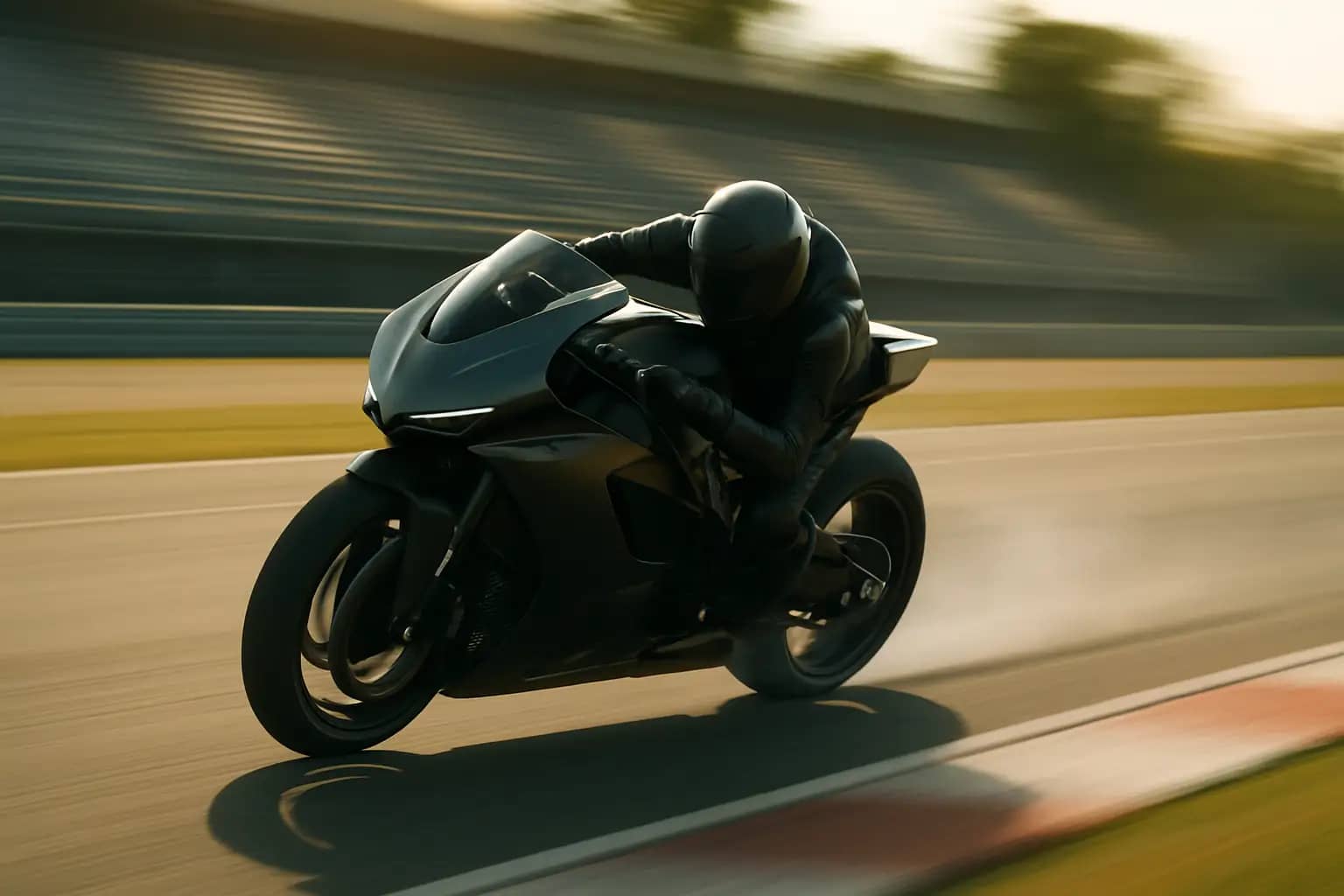
The series features three classes, but it is the premier MotoGP class that captures the most attention. Prototype machines capable of exceeding 350 km/h and ridden by the world's best motorcycle racers make each round a spectacle of skill, strategy, and technology.
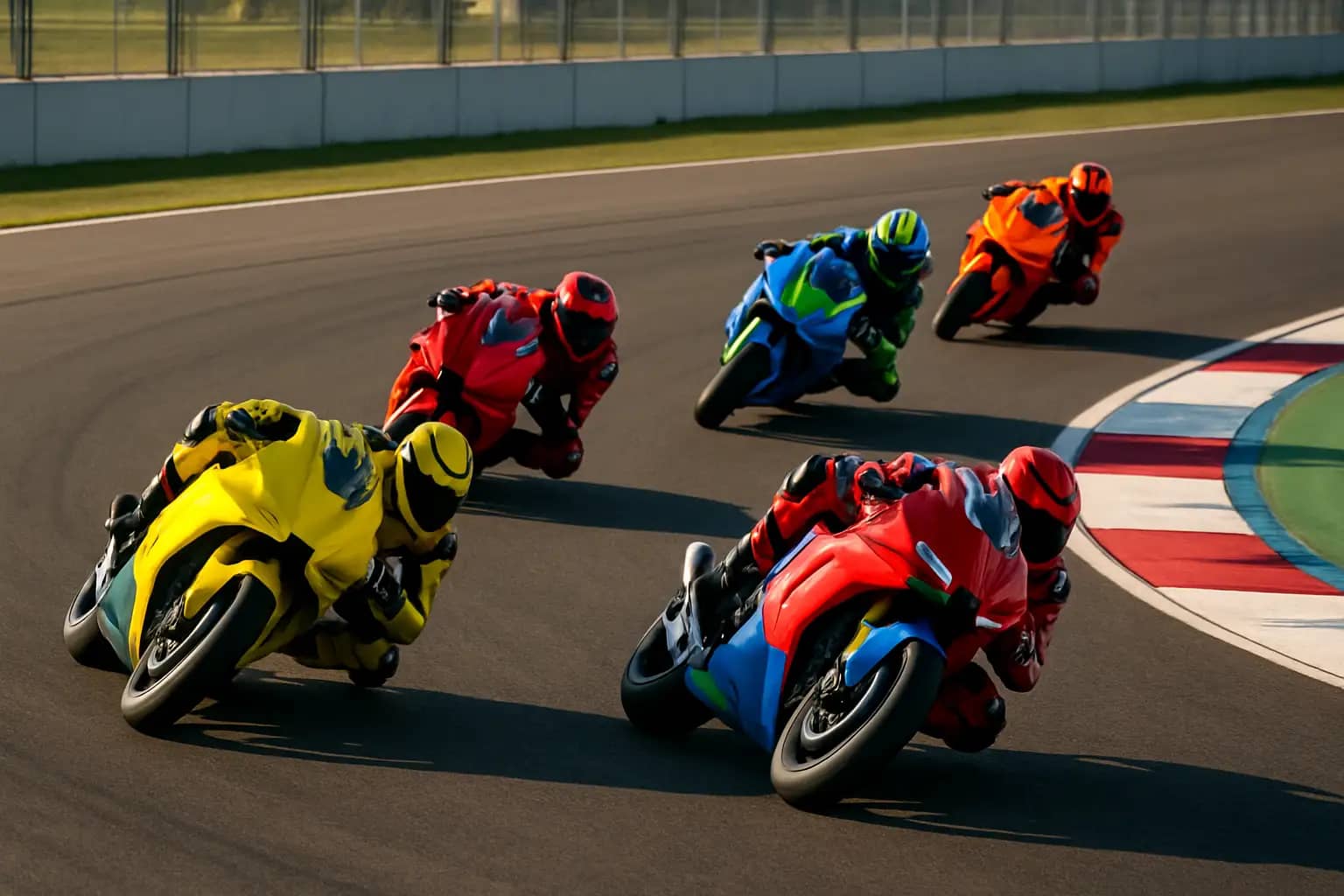
With manufacturer rivalries between Ducati, Honda, Yamaha, Aprilia, and KTM shaping the competitive order, no two races tend to play out the same way. Tire strategy, weather conditions, and circuit characteristics all influence outcomes, keeping fans and analysts guessing from race to race.
The Championship Battle Keeps Fans Engaged
Title fights in MotoGP rarely follow a straight line. Points are awarded across sprint races held on Saturdays and full-distance grand prix events on Sundays, meaning riders have two opportunities each weekend to gain or lose ground in the standings.
The sprint race format, introduced to the calendar in recent seasons, has added a new layer of strategic thinking. A rider who crashes out of a sprint can choose to manage risk in the main race, while a rider desperate for points may push harder. These decisions play out in real time, and they shape the championship picture across a long season.
Consistency has historically separated champions from contenders. Riders who collect podiums regularly, even without winning every race, tend to fare better over the course of a full season than those who chase victories aggressively and take on more mechanical or physical risk.
Factory support also matters. A rider backed by a manufacturer's full technical resources, including the latest engine specifications, aerodynamic updates, and electronics packages, holds a structural advantage over competitors on older-spec machinery.
Circuits, Calendars, and the Global Reach of MotoGP
The MotoGP calendar is one of the most demanding in professional motorsport. Teams and riders travel between Europe and Asia multiple times across the season, often with back-to-back or closely spaced rounds that leave little time for recovery or technical development between events.
Some circuits have become iconic in the series. Tracks like Mugello in Italy and Phillip Island in Australia are known for their fast, flowing layouts that reward corner speed and rider bravery. Others, like the Sachsenring in Germany, feature a tighter, more technical character that can throw up surprise results.
The addition of newer venues in recent years has helped MotoGP expand its footprint, bringing live racing to audiences who previously only followed the sport on television or through digital platforms. This expansion has commercial benefits for the series and gives local fans in new markets a chance to see the sport in person.
Broadcasting deals and streaming arrangements have also widened access. Fans in markets without traditional television coverage can now follow timing data, watch highlights, and in some regions access live streams through official channels, keeping engagement high between races.
Rider Safety and Technology Push the Sport Forward
Safety has been a consistent priority for MotoGP's governing body, the FIM, and commercial rights holder Dorna Sports. In recent years, circuit safety upgrades, improved rider gear, and advances in airbag technology have all contributed to better outcomes when crashes occur.
The introduction of mandatory airbag suits, now standard across the grid, represented a significant step. These systems deploy in milliseconds when sensors detect a crash, providing additional protection to a rider's torso and shoulders before impact with the track surface.
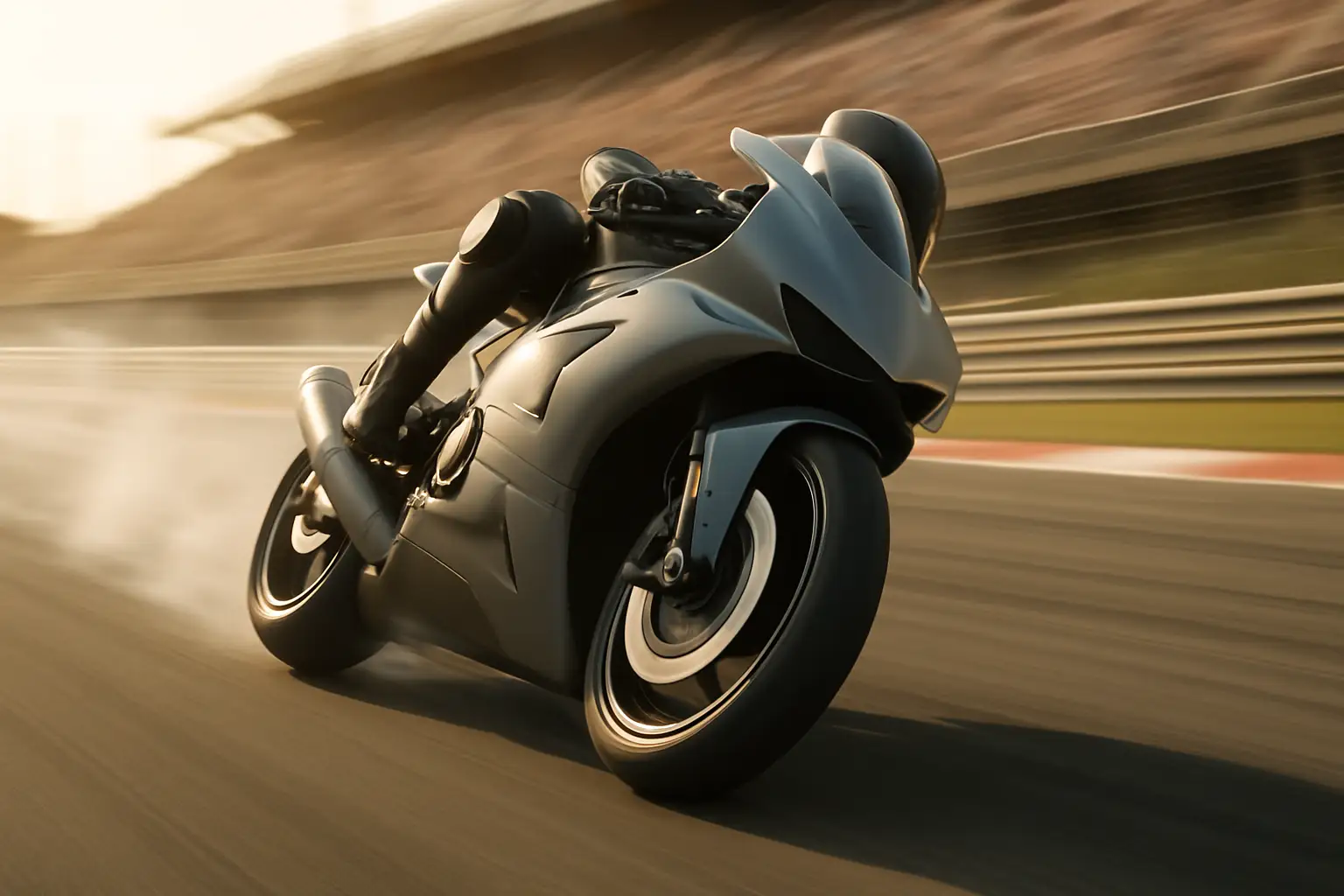
On the technical side, modern MotoGP prototypes are extraordinarily sophisticated machines. Seamless gearboxes, carbon fiber components, advanced electronics that manage traction, engine braking, and wheelie control, and aerodynamic bodywork that generates significant downforce all contribute to lap times that would have seemed impossible a decade ago.
This technical complexity means that the relationship between a rider and their engineering team is closer than ever. Setup changes measured in fractions of a millimeter and software adjustments made between sessions can shift a rider from the midfield to the front row of the grid.
The human element remains irreplaceable, though. Data can point an engineer toward a problem, but it takes a rider's feel and feedback to translate that information into a faster lap. The best partnerships in the paddock combine technical precision with a rider's intuition, and that combination is what ultimately decides who stands on the podium.

MotoGP Correspondent
Luca Moretti is 21.news's MotoGP correspondent, following the championship from free practice to the podium with an eye for race strategy and tech.