MotoGP 2024: Latest News, Results and Championship Standings
Stay up to date with the latest MotoGP news, race results, and championship standings as the premier class season continues to deliver drama.
MotoGP Remains the Premier Stage for Motorcycle Racing
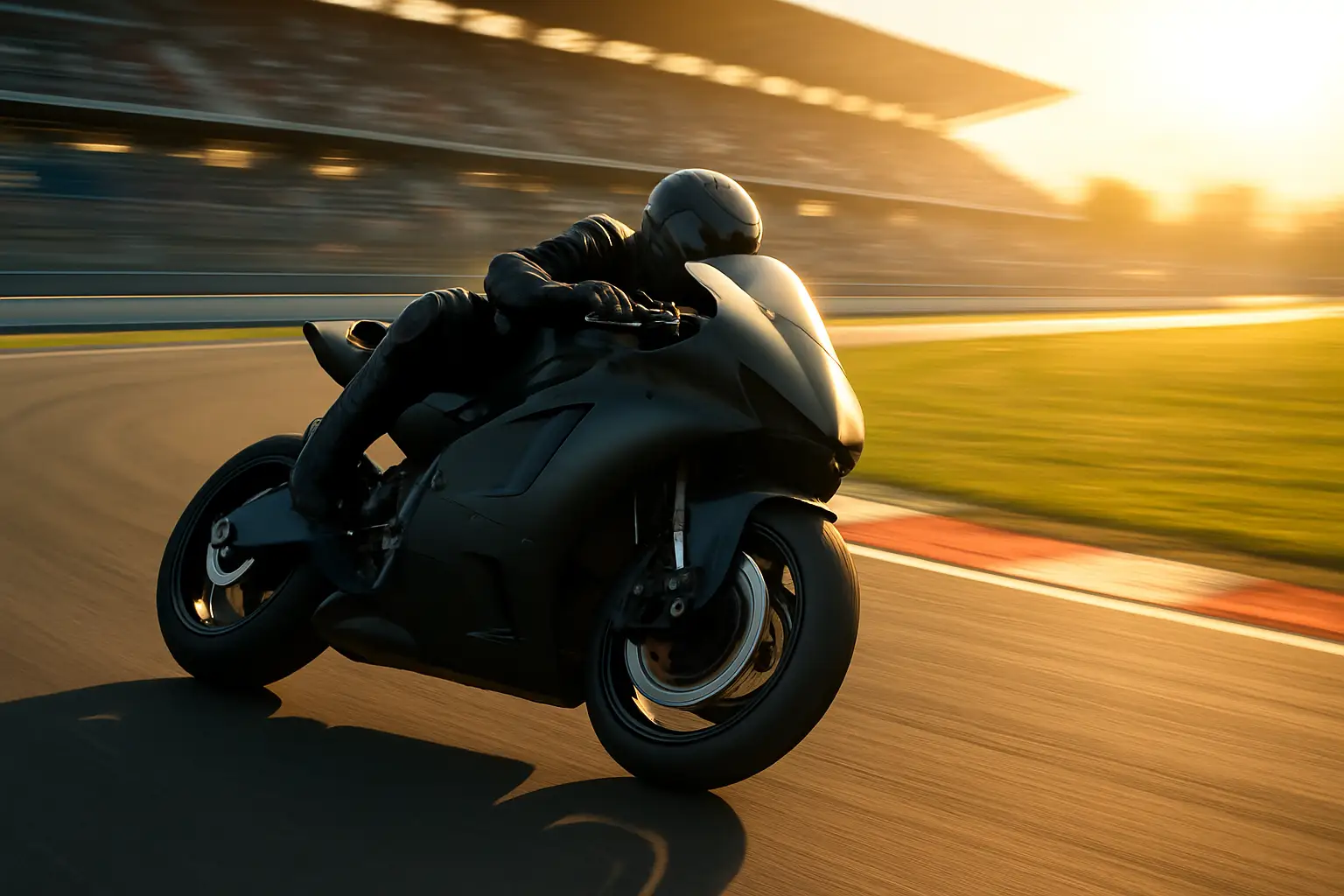
MotoGP is the top tier of Grand Prix motorcycle road racing, sanctioned by the FIM. Riders compete aboard purpose-built prototype machines that represent the cutting edge of two-wheeled technology. Factory teams from manufacturers including Ducati, Honda, Yamaha, Aprilia, and KTM contest each round across circuits spread across multiple continents.
The championship uses a points-based format. Race winners collect 25 points, with points distributed down to 15th place. Sprint races, introduced to the calendar in 2023 and continuing into subsequent seasons, award half points and add an extra layer of competition each grand prix weekend.
The format means the standings can shift quickly. A single retirement or crash can cost a championship contender dozens of points and completely reshape the title fight.
How a MotoGP Weekend Works
A standard MotoGP event runs across three days. Friday is dedicated to practice, giving riders and engineers time to dial in setup for the specific circuit. Saturday opens with qualifying, which determines grid positions for both the Sprint and the main race.
The Sprint race takes place on Saturday afternoon and covers roughly half the distance of a full Grand Prix. Sunday brings the main event, where full championship points are on offer and strategy around tire management and fuel load plays a significant role in the outcome.
Teams make real-time decisions on tire compounds and pit strategy. Riders communicate bike behavior to engineers between sessions, and setup changes can be dramatic from one session to the next depending on track conditions and temperature.
The Role of Technology and Development
MotoGP machines are not based on road-going motorcycles. They are prototypes developed specifically for racing, with carbon fiber frames, seamless-shift gearboxes, and sophisticated electronics packages that control traction, engine braking, and anti-wheelie systems.
Aerodynamics have become a major focus in recent years. Winglets, fairings with downforce-generating shapes, and ducktail rear elements are now standard across the grid. Wind tunnel time and computational fluid dynamics simulations are core parts of each factory program.
Concession rules exist to help manufacturers that are struggling competitively. Teams with fewer wins gain access to additional development tokens, extra engine allocations, and testing opportunities. This system is designed to keep the field competitive over a multi-year cycle.
Following MotoGP Through the Season
Fans can follow MotoGP through the official championship broadcast partners in each territory, as well as through the MotoGP VideoPass streaming service. Live timing data is available during sessions and practice runs, giving fans detailed insight into lap-by-lap performance.
Social media has become a major part of how teams and riders communicate with supporters. Behind-the-scenes content, onboard footage, and telemetry breakdowns are now common offerings from factory outfits looking to build audience engagement outside of race weekends.
The calendar typically spans from March through November, with rounds in Europe, the Americas, Asia, and the Middle East. Each circuit brings a different set of demands, from the tight and technical layout of some street circuits to the high-speed flowing layouts that favor outright engine power and aerodynamic efficiency.

MotoGP Correspondent
Luca Moretti is 21.news's MotoGP correspondent, following the championship from free practice to the podium with an eye for race strategy and tech.