MotoGP 2025: Season Storylines, Riders and What to Watch
MotoGP's 2025 premier class season is shaping up as one of the most competitive in recent memory, with manufacturer battles and rider moves dominating the headlines.
MotoGP Enters 2025 With a Packed Grid
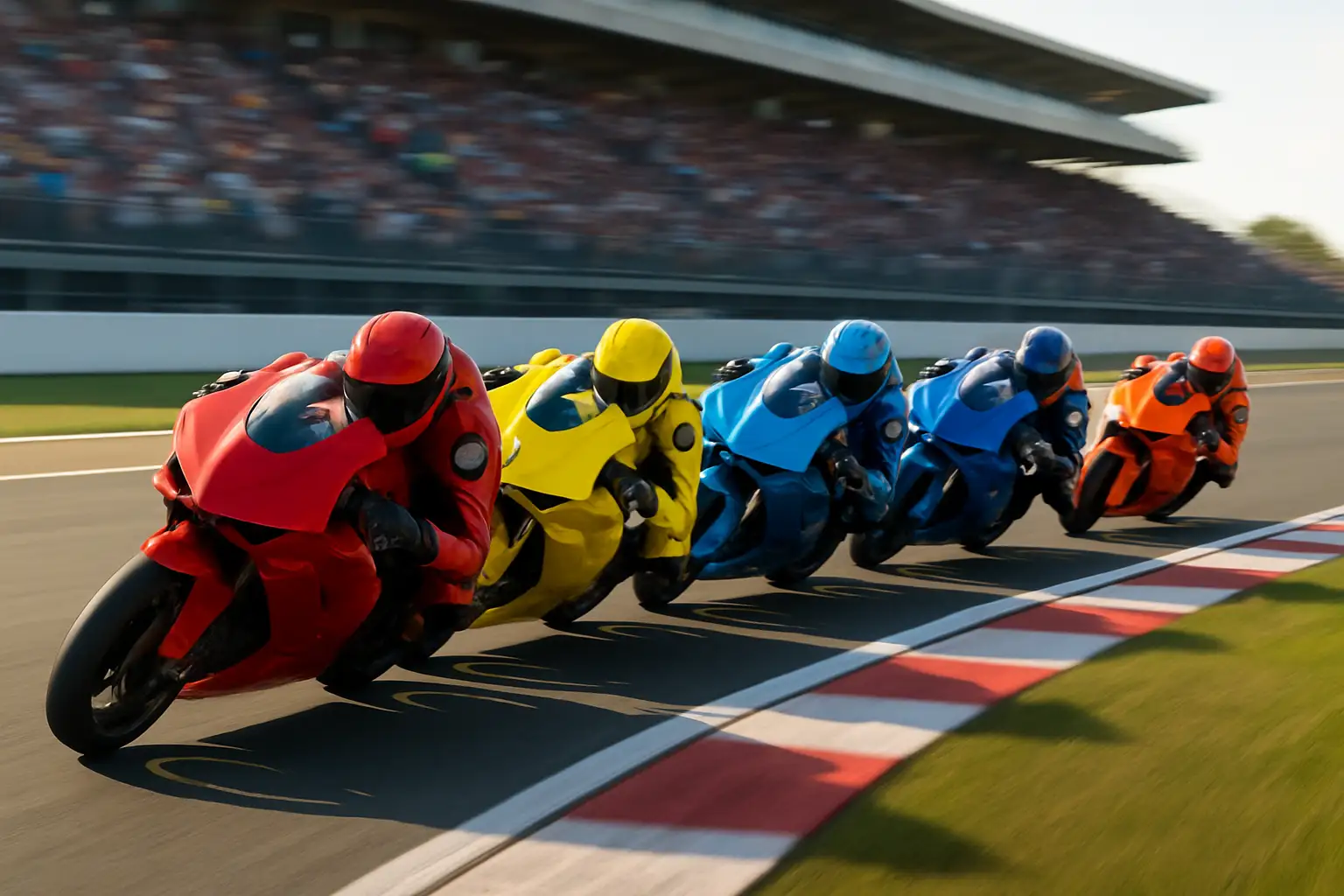
MotoGP has long been the pinnacle of two-wheeled motorsport, and the 2025 season is no exception. The premier class grid is stacked with talent across multiple manufacturers, and the battle for championship points is expected to be fierce from the opening round to the final chequered flag.
The series draws fans from every corner of the globe, and interest has only grown as the sport's international calendar has expanded in recent years. Circuits across Europe, Asia, and the Americas host rounds that attract packed grandstands and millions of television viewers.
Rider transfers and team realignments over the off-season have reshuffled the competitive order in ways that are still becoming clear as teams log testing miles and dial in their machines.
Manufacturer Rivalry Drives the Competition
One of the defining threads of any MotoGP season is the battle between manufacturers. Ducati, Honda, Yamaha, Aprilia, and KTM all field bikes in the premier class, each chasing not only the riders' championship but the constructors' title as well.
Ducati has been a dominant force in recent seasons, with its Desmosedici platform proving adaptable and fast across a wide range of circuit layouts. The Italian manufacturer supplies multiple satellite teams in addition to its factory outfit, giving it a significant presence throughout the grid.
Honda and Yamaha, both Japanese giants with decorated histories in the sport, have been working to close the performance gap. Both brands invest heavily in engine and chassis development through the winter, and any meaningful step forward from either camp would immediately shake up the championship picture.
Aprilia has established itself as a genuine front-running option, a remarkable turnaround for a manufacturer that struggled for competitiveness not long ago. KTM, meanwhile, continues to develop its RC16 platform and has shown the ability to win races when conditions align.
The spread of genuinely competitive hardware across the field means that circuit-specific advantages shift from round to round. A bike that excels on the smooth asphalt of a purpose-built European venue may struggle on a bumpier street circuit or a tight, technical layout that rewards something different.
Rider Movements and Team Dynamics
Off-season rider movements are a constant source of drama in MotoGP, and the lead-up to 2025 was no different. Contracts at the top level of the sport are closely watched, and a single signing can trigger a chain of moves that reshapes the grid entirely.
Factory seats are the most coveted positions in the paddock. Riders who land one typically have access to the latest-specification machinery, priority on updates, and the full engineering resources of a manufacturer. Satellite seats, while a step down in terms of hardware priority, can still deliver race wins with the right rider and the right setup.
Younger riders coming up through the Moto2 and Moto3 categories represent the long-term future of the sport. Several graduates make the step to the premier class each season, and the adjustment period varies considerably. Some riders adapt quickly and challenge for points from early in their debut campaign, while others need more time to find their rhythm on heavier, faster machinery.
Team dynamics also play a significant role. The relationship between a rider and their crew chief, data engineers, and the broader technical staff shapes how quickly a package develops across a season. A fractured working environment can stall progress even when the raw machinery is competitive.
What Fans Can Expect From the Rest of the Season
MotoGP rounds follow a consistent format that rewards both outright speed and strategic thinking. Practice sessions allow teams to gather data, while qualifying determines grid positions for the main event. The sprint race format, introduced in recent seasons, adds an extra points-scoring opportunity each weekend and has changed how teams approach tyre management and risk.
The championship is decided over the full calendar, and consistency matters as much as peak results. A rider who finishes on the podium regularly but rarely wins can accumulate enough points to challenge a rival who takes victories but also crashes out of races.
Circuit characteristics vary dramatically across the calendar. High-speed layouts with long straights favour bikes with strong top-end power. Tighter, more technical circuits reward agility and corner-speed. Riders and engineers spend considerable effort finding setup compromises that work across the widest possible range of conditions.
Weather adds another variable. A dry qualifying session followed by a wet race can completely invert the competitive order, and teams must make rapid decisions about tyre choice and bike configuration when conditions change at short notice.
Fan engagement with the sport has grown through digital platforms and broadcast deals that make races accessible in more markets than ever before. The official MotoGP app and streaming services supplement traditional television coverage, and social media keeps fans connected to paddock developments between rounds.
The technical regulations that govern the premier class are updated periodically, and any rule change can tilt the competitive balance in favour of one manufacturer or another. Teams and riders monitor the regulatory environment closely, since a single technical directive can alter development priorities overnight.
With a long calendar, genuine competition across multiple manufacturers, and a grid full of riders capable of winning on any given weekend, the 2025 MotoGP season offers plenty to follow for both longtime fans and newcomers to the sport.

MotoGP Correspondent
Luca Moretti is 21.news's MotoGP correspondent, following the championship from free practice to the podium with an eye for race strategy and tech.