MotoGP Live Coverage: What to Expect in the Paddock
MotoGP live action continues to draw massive audiences, with paddock coverage giving fans closer access to the teams, riders, and race-day drama than ever before.
MotoGP Live Action Puts the Paddock Front and Center
MotoGP live coverage has become one of the most closely followed sports broadcasts in motorsport, with fans tuning in from around the world to catch every qualifying lap, grid formation, and race-day moment. Paddock GP, a source that tracks and reports on the championship, has been among the outlets keeping audiences connected to the action as the season progresses.
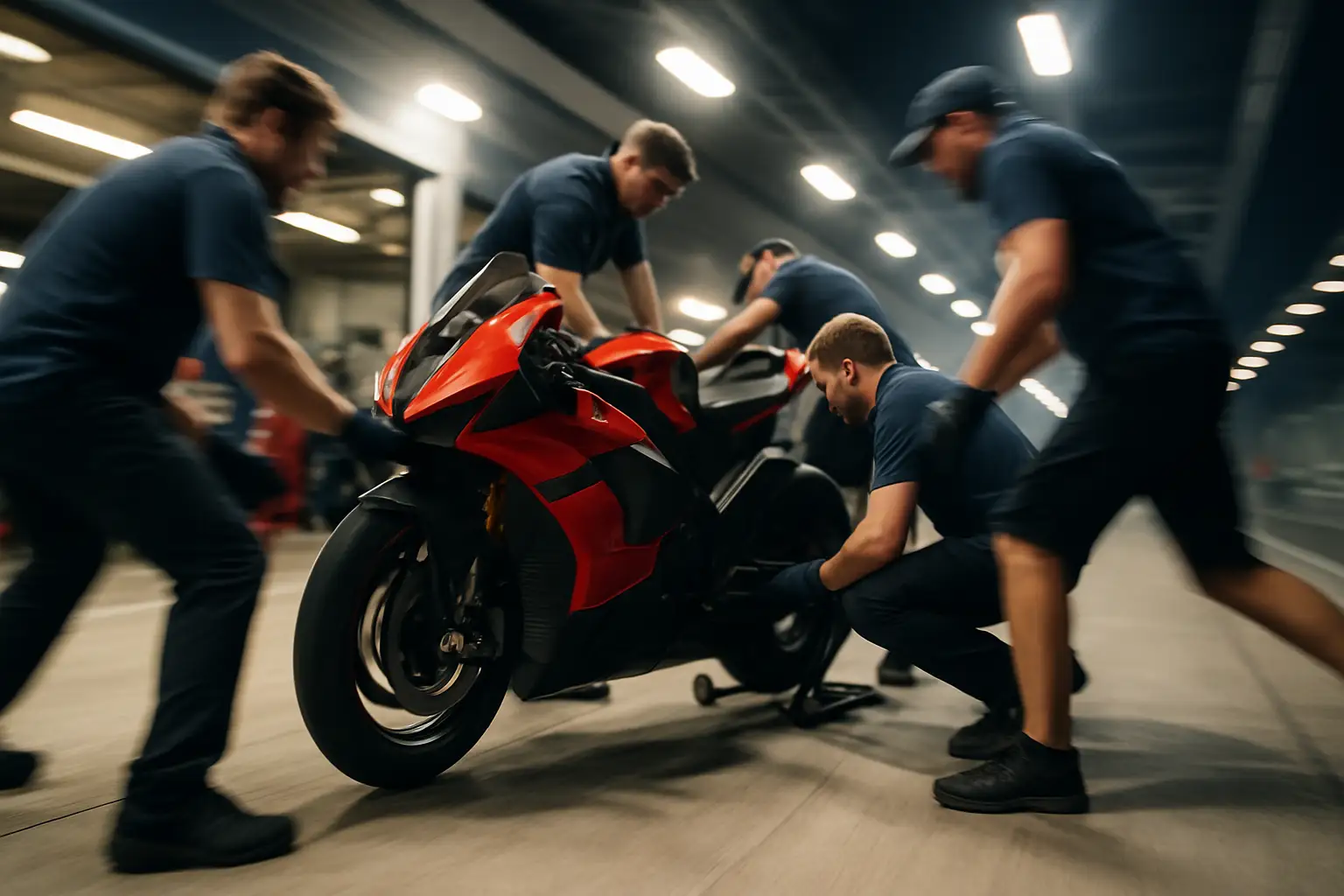
The paddock itself is the nerve center of any MotoGP race weekend. It is where team engineers run final diagnostics, where riders prepare mentally and physically, and where the technical decisions that shape race outcomes are made. Live access to that environment, whether through broadcast or digital coverage, has reshaped how fans engage with the sport.
How Live MotoGP Coverage Has Changed Fan Engagement
In previous decades, MotoGP fans relied on post-race highlights and next-day newspaper reports. That has changed substantially. Streaming platforms, dedicated motorsport channels, and real-time digital reporting now mean that a rider's lap time in morning warm-up practice is public knowledge within seconds.
Paddock GP and similar outlets have carved out a role in this ecosystem by focusing on the human side of racing alongside the technical. Rider press conferences, team radio snippets, and garage walkthroughs give context that raw timing data cannot provide.
For fans who cannot attend a race weekend in person, this kind of coverage is the closest approximation to being there. The grid walk before lights-out, the controlled chaos of a pit-stop strategy call, the body language of a championship leader under pressure - none of that comes through in a results table.
What Paddock Reporting Covers During a Race Weekend
A typical MotoGP race weekend runs across three days. Friday brings free practice sessions where teams gather data and riders test setup changes. Saturday compresses qualifying into a high-stakes window that sets the grid order. Sunday is race day, but the paddock is active from early morning as teams complete final checks and riders do reconnaissance laps.
Live coverage from outlets following the paddock tends to intensify on Saturday afternoon and Sunday morning. That is when the most consequential decisions are made and when the chance of newsworthy developments, whether a technical protest, a crash in warm-up, or a last-minute setup change, is highest.
Reporting from inside the paddock also picks up on the political dimension of MotoGP. Manufacturer relationships, contract negotiations, and inter-team rivalries often surface in the margins of a race weekend. A candid comment in a press conference or a visible tension in the pit lane can become significant news in a championship where the margin between title contenders is sometimes measured in single points.
Following MotoGP Live: What Fans Should Know
For anyone trying to follow MotoGP live, knowing where to look matters. Official broadcast rights vary by country, so the channel carrying practice sessions may differ from the one carrying the race itself. Many broadcasters also offer companion digital streams with additional camera angles and onboard footage.
Digital outlets focused on paddock reporting tend to fill the gaps that official broadcasts leave. Pre-session analysis, technical breakdowns, and post-race rider reactions often appear faster through specialist sources than through mainstream sports networks.
The rhythm of a MotoGP weekend is also worth understanding. Session times shift depending on the time zone of the host circuit, which means a race in Southeast Asia may require European fans to set an early alarm, while a race at a European venue runs in prime time for local audiences but in the middle of the night for followers in the Americas.
Keeping up with a source that tracks the paddock throughout the weekend helps fans stay oriented, especially during the busier stretches of the calendar when back-to-back race weekends leave little time between events for the situation in the championship to settle.
MotoGP's calendar typically spans around twenty rounds across multiple continents, making consistent live coverage a significant logistical effort for any outlet committed to following the series from start to finish.

MotoGP Correspondent
Luca Moretti is 21.news's MotoGP correspondent, following the championship from free practice to the podium with an eye for race strategy and tech.