MotoGP 2024: Latest News, Results and Championship Battle
The MotoGP season continues to deliver fierce competition across the grid, with manufacturers and riders pushing the limits of speed and technology at every round.
MotoGP Remains the Pinnacle of Two-Wheel Racing
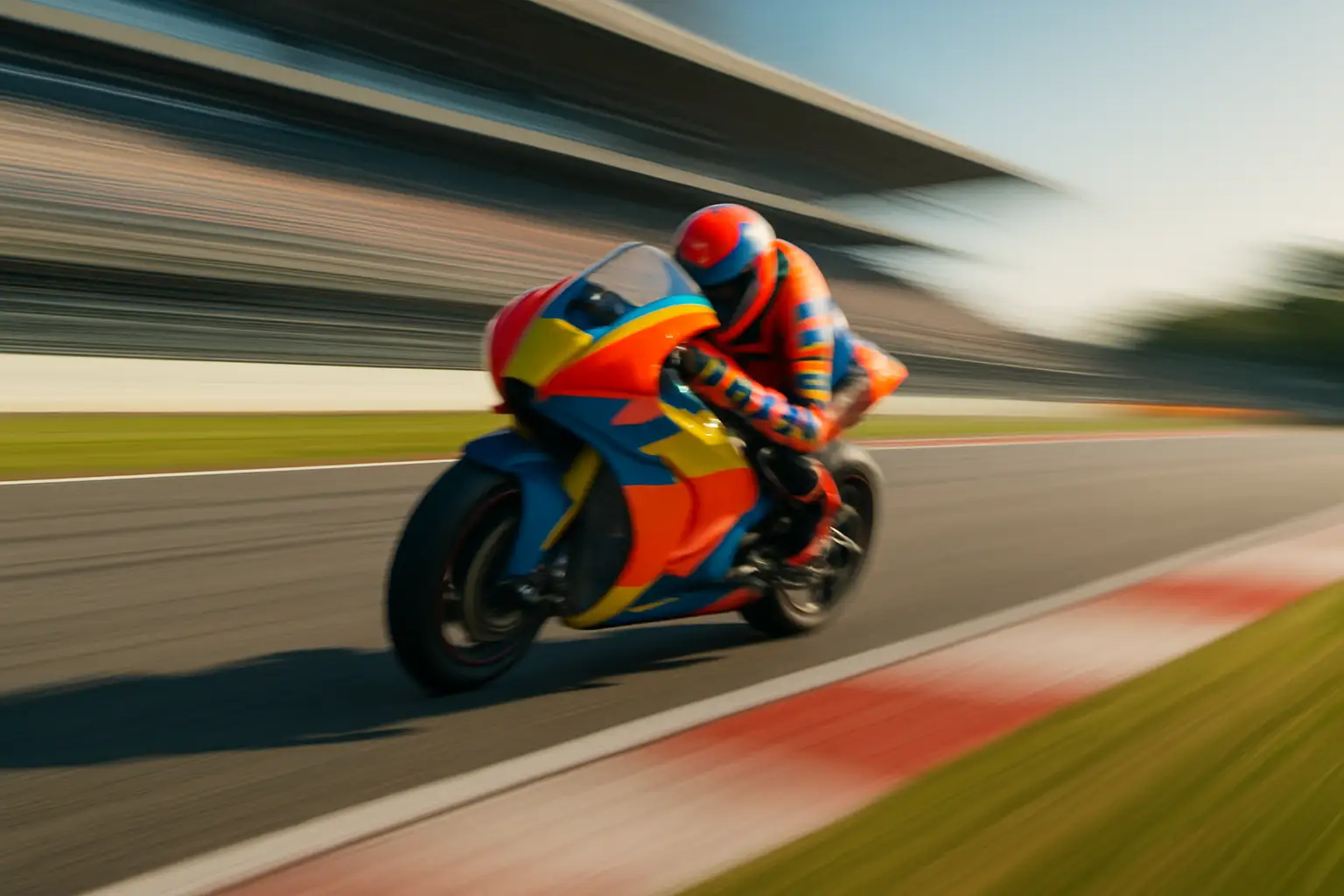
MotoGP is the top tier of motorcycle road racing, sanctioned by the FIM and contested across circuits on multiple continents. The championship brings together the world's fastest riders on prototype machines that represent the cutting edge of motorsport engineering. Each season, manufacturers including Honda, Yamaha, Ducati, Aprilia, and KTM develop entirely new bikes under strict technical regulations, making the series as much a battle between engineers as it is between riders.
The racing format includes both Sprint races on Saturdays and full Grand Prix events on Sundays, a structure introduced in recent seasons to increase track action and give fans more competitive laps across a race weekend.
How the Championship Structure Works
Points are awarded across both the Sprint and the main Grand Prix. A race victory in the full Grand Prix earns 25 points, with the scale running down through the top 15 finishers. Sprint victories are worth 12 points. This dual-points structure means the championship standings can shift significantly over a single weekend, and consistency across both formats is essential for any title contender.
The calendar typically spans from March through November, covering circuits in Europe, the Americas, Asia, and the Asia-Pacific region. Iconic venues such as Mugello, Silverstone, Sepang, and Phillip Island are regular fixtures, each presenting different challenges in terms of layout, surface grip, and weather conditions.
Teams field two riders each, and the cumulative performance of both riders contributes to the separate Constructors and Teams championships that run alongside the Riders title. This layered competition gives every round multiple storylines, from the fight at the front to the battles deeper in the field among satellite and independent teams.
Ducati's Recent Dominance and the Factory Fight
In recent seasons, Ducati has emerged as the most successful manufacturer in the modern MotoGP era, supplying bikes to multiple teams and taking a high volume of race victories. The Bologna manufacturer's Desmosedici GP machine has been widely regarded as the strongest package on the grid, blending top-end engine performance with advanced aerodynamic solutions.
Other manufacturers have been working to close the gap. Aprilia has shown genuine podium pace with its RS-GP, while KTM has been a consistent front-runner at certain circuits. Yamaha and Honda, both historically dominant forces in the championship, have faced more difficult periods as they work through development programs to return their machines to competitiveness.
The presence of factory bikes in the hands of satellite teams has added another dimension to the competition. Riders on year-old or customer machinery have demonstrated that the gap between factory and satellite equipment has narrowed, producing unpredictable race results and keeping the championship open for longer stretches of the season.
What to Watch as the Season Progresses
Title races in MotoGP are rarely settled early. The combination of Sprint and Grand Prix points, the variety of circuits, and the ever-present risk of crashes or mechanical issues means standings can be upended in a matter of weekends. Riders who manage risk well, avoid costly retirements, and adapt quickly to different track conditions tend to be the ones who feature in championship calculations deep into the year.
Tyre management is one of the defining skills in MotoGP. Michelin supplies control tyres to all teams, and the ability to extract maximum performance from the rubber during the opening laps while preserving enough life for the closing stages is a critical factor. Setup decisions made in practice and qualifying can have a direct impact on race-day tyre behaviour, making the technical side of the sport as competitive as the on-track battles.
The development race between manufacturers never truly stops. Updates arrive at circuits throughout the season, and teams must integrate new components quickly while maintaining reliability. A new aerodynamic package or revised engine mapping can shift the competitive order, making it possible for a manufacturer to transform its fortunes across just a few rounds.
For followers of the sport, MotoGP offers a schedule dense with action. Practice sessions, qualifying, the Sprint, and the Grand Prix each provide information and entertainment, and the global broadcast and streaming coverage means fans across every time zone can follow every session live. The combination of elite-level athleticism, sophisticated engineering, and genuine unpredictability keeps MotoGP among the most watched motorsport series in the world.

MotoGP Correspondent
Luca Moretti is 21.news's MotoGP correspondent, following the championship from free practice to the podium with an eye for race strategy and tech.