MotoGP 2024: Latest News, Results and Championship Standings
Stay up to date with the latest MotoGP news, race results, rider transfers and championship standings as the season unfolds across the globe.
MotoGP Remains the Pinnacle of Motorcycle Racing
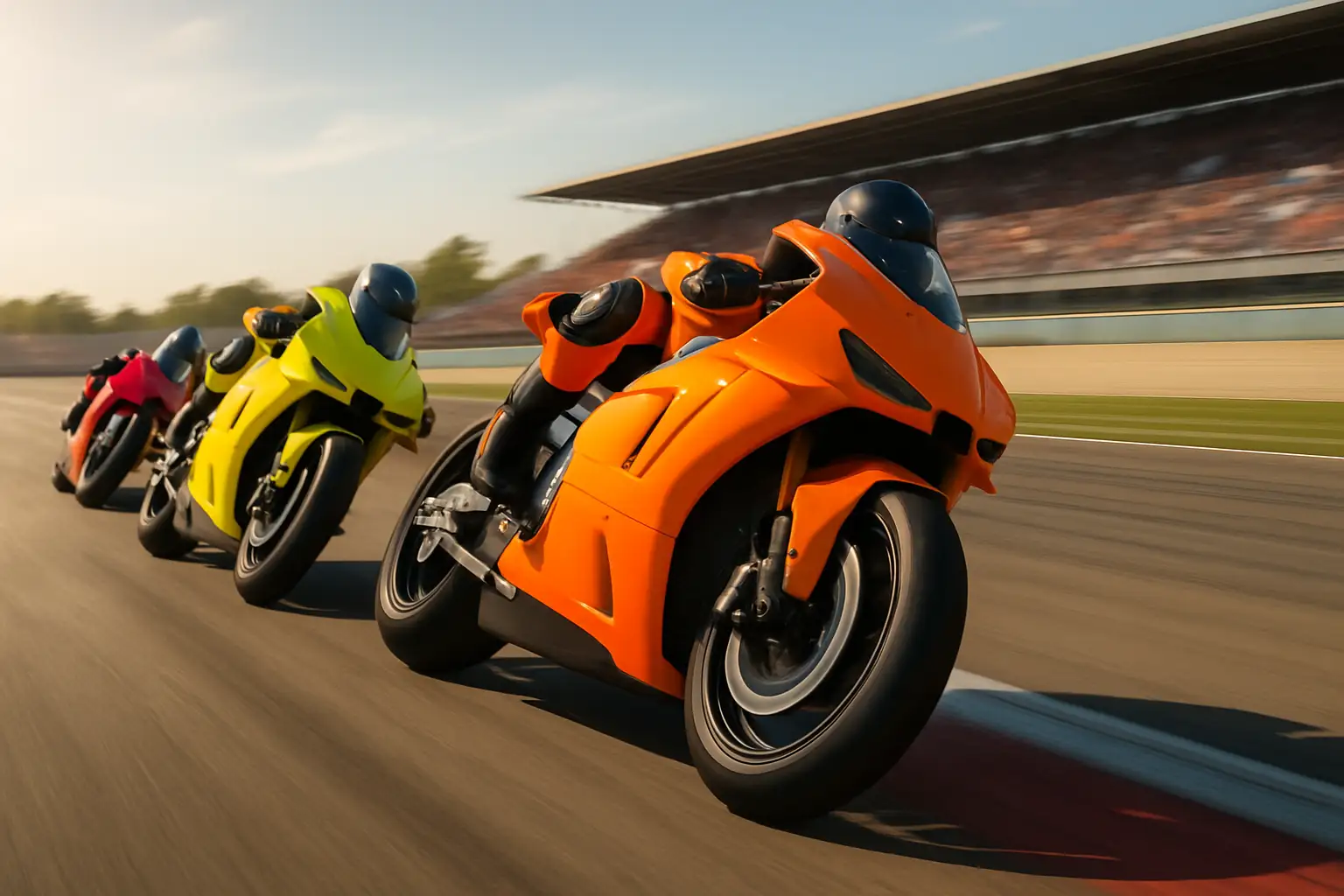
MotoGP is the top tier of the FIM Road Racing World Championship, the sport's premier class for prototype motorcycles. Teams and manufacturers from across the world compete across a calendar that spans multiple continents, from Europe to Asia, the Americas and beyond. The series attracts millions of fans and draws some of the most technically advanced machinery in motorsport.
The championship follows a points-based format. Riders earn points for finishing positions in each Grand Prix, with the title going to whoever accumulates the most points by the season's final round. Manufacturers also compete for their own separate title, adding another layer of competition beyond individual rider performances.
In recent years, the level of competition in MotoGP has intensified. The arrival of sprint races - shorter, half-distance events held on Saturdays alongside the main Sunday Grand Prix - has added more points opportunities and raised the stakes at every round. Riders now face a more demanding schedule, and small errors can prove costly in the championship fight.
Riders, Teams and Manufacturer Rivalries
MotoGP features factory-backed teams from manufacturers including Honda, Yamaha, Ducati, Suzuki, Aprilia and KTM. Satellite teams run machinery that is typically one generation behind the factory bikes, though the gap between factory and satellite equipment has narrowed in recent seasons.
Ducati has been particularly dominant in the premier class in recent seasons, with its Desmosedici machines proving competitive across a wide range of circuits. The Italian manufacturer has invested heavily in its MotoGP program, and that investment has shown in its results.
Yamaha and Honda, the two manufacturers who dominated the sport for much of its modern era, have faced greater challenges in keeping pace. Both continue to develop their machines in pursuit of a return to the top of the standings.
Aprilia and KTM have emerged as genuine contenders rather than also-rans. Aprilia in particular has made rapid progress, with its RS-GP machine showing the kind of pace that puts it in the conversation for wins and podiums on a regular basis.
Rider transfers are a constant source of news in MotoGP. The silly season - the period when rider contracts are negotiated and announcements are made - often overlaps with the racing calendar itself, meaning speculation about who is moving where runs in parallel with the championship battle on track.
Race Weekends and the Global Calendar
A MotoGP race weekend typically runs across three days. Friday is dedicated to practice, giving riders and engineers data to work with as they set up their machines. Saturday brings qualifying, which determines grid positions for both the sprint race and the main event, along with the sprint race itself. Sunday is the main Grand Prix.
The calendar takes the series to venues with very different characteristics. Street circuits, purpose-built tracks and historic venues each present riders with unique challenges. Some tracks suit certain bikes more than others, which means the championship picture can shift dramatically from one round to the next.
The Autodromo Internazionale del Mugello in Italy, the Circuit de Barcelona-Catalunya in Spain, and the Sepang International Circuit in Malaysia are among the most iconic venues on the calendar. Circuits in the Americas, including the Circuit of the Americas in Austin, Texas, bring the championship to North American audiences.
Attendance at MotoGP events has remained strong, with several rounds regularly selling out. The sport's global broadcast deals mean millions more watch from home across dozens of countries.
Technology, Safety and the Future of MotoGP
The technical regulations in MotoGP are some of the most complex in motorsport. Prototype machines produce in excess of 200 horsepower, reach speeds above 350 kilometres per hour and incorporate advanced electronics systems that manage traction, engine braking and aerodynamics in real time.
Aerodynamics has become an increasingly prominent area of development. Winglets, fairings and other aerodynamic devices that were once rare are now standard features on MotoGP machinery. The devices help with stability under braking and acceleration, though they have also prompted ongoing regulatory debate about how much aerodynamic development should be permitted.
Safety has also improved significantly over the decades. The introduction of airbag-equipped race suits, improved circuit runoff areas and advanced medical facilities at tracks have all contributed to a safer environment for riders. Helmet technology continues to advance, with manufacturers developing designs that offer greater protection without compromising visibility or comfort.
The long-term direction of MotoGP includes discussions around sustainable fuels. The FIM and series promoter Dorna Sports have outlined plans to introduce sustainable fuel requirements in coming seasons, aligning the sport with broader efforts to reduce its environmental footprint.
Steaming and digital platforms have also changed how fans engage with MotoGP. The official MotoGP VideoPass service allows subscribers to watch live and on-demand coverage, while social media has made behind-the-scenes content more accessible than ever. The sport continues to invest in its digital presence to reach younger audiences and fans in markets where traditional broadcast coverage is limited.
As the current season continues, every race weekend brings fresh storylines. Championship contenders are separated by fine margins, teams continue to develop their machines between rounds, and the question of who will ultimately claim the title remains open. MotoGP's combination of speed, technology and human skill keeps it at the centre of global motorsport.

MotoGP Correspondent
Luca Moretti is 21.news's MotoGP correspondent, following the championship from free practice to the podium with an eye for race strategy and tech.