MotoGP 2024: What's Shaping the Premier Class This Season
MotoGP continues to captivate motorsport fans worldwide as the premier class delivers fierce competition, technical innovation, and unpredictable championship battles on circuits across the globe.
MotoGP Remains the Pinnacle of Two-Wheel Racing
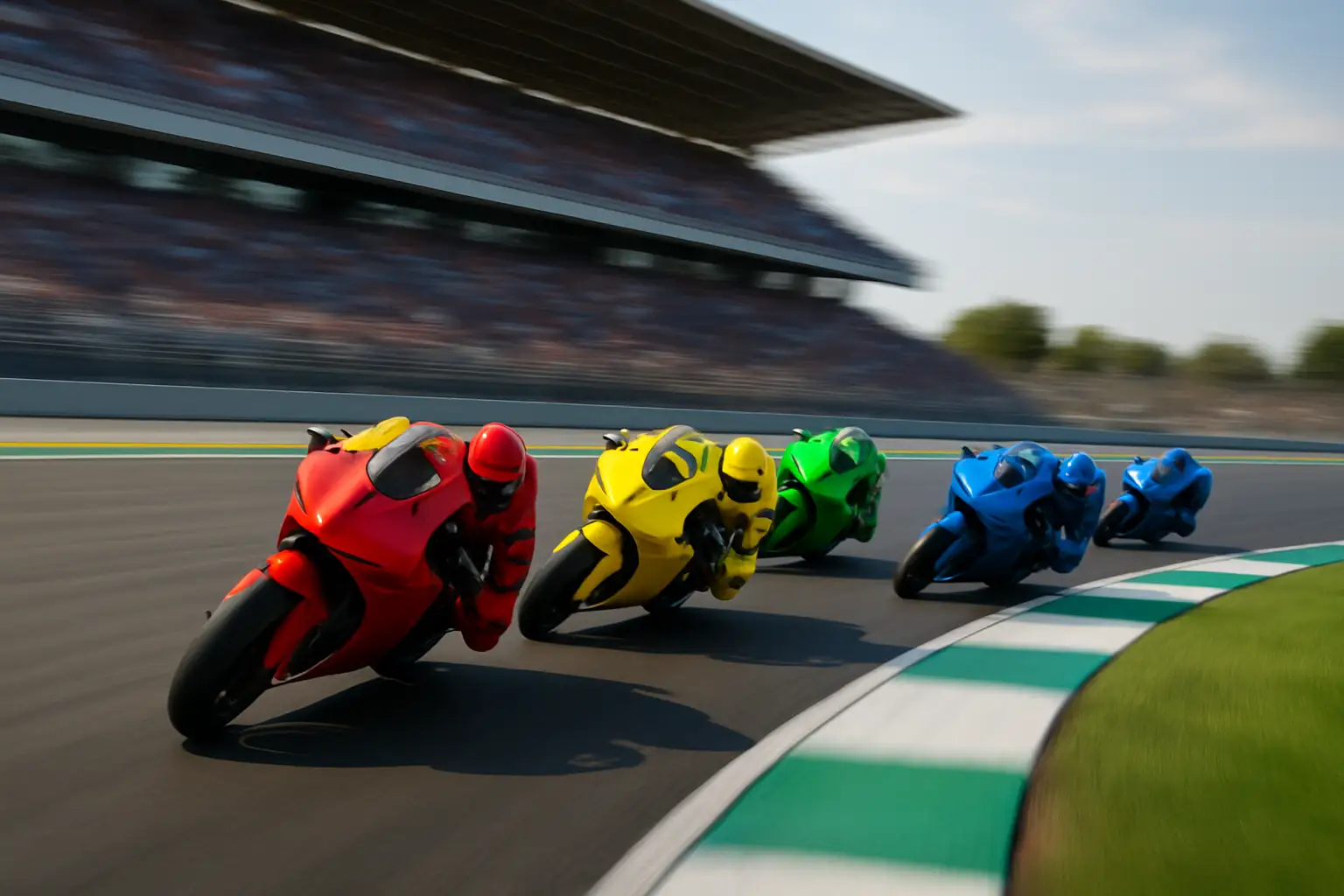
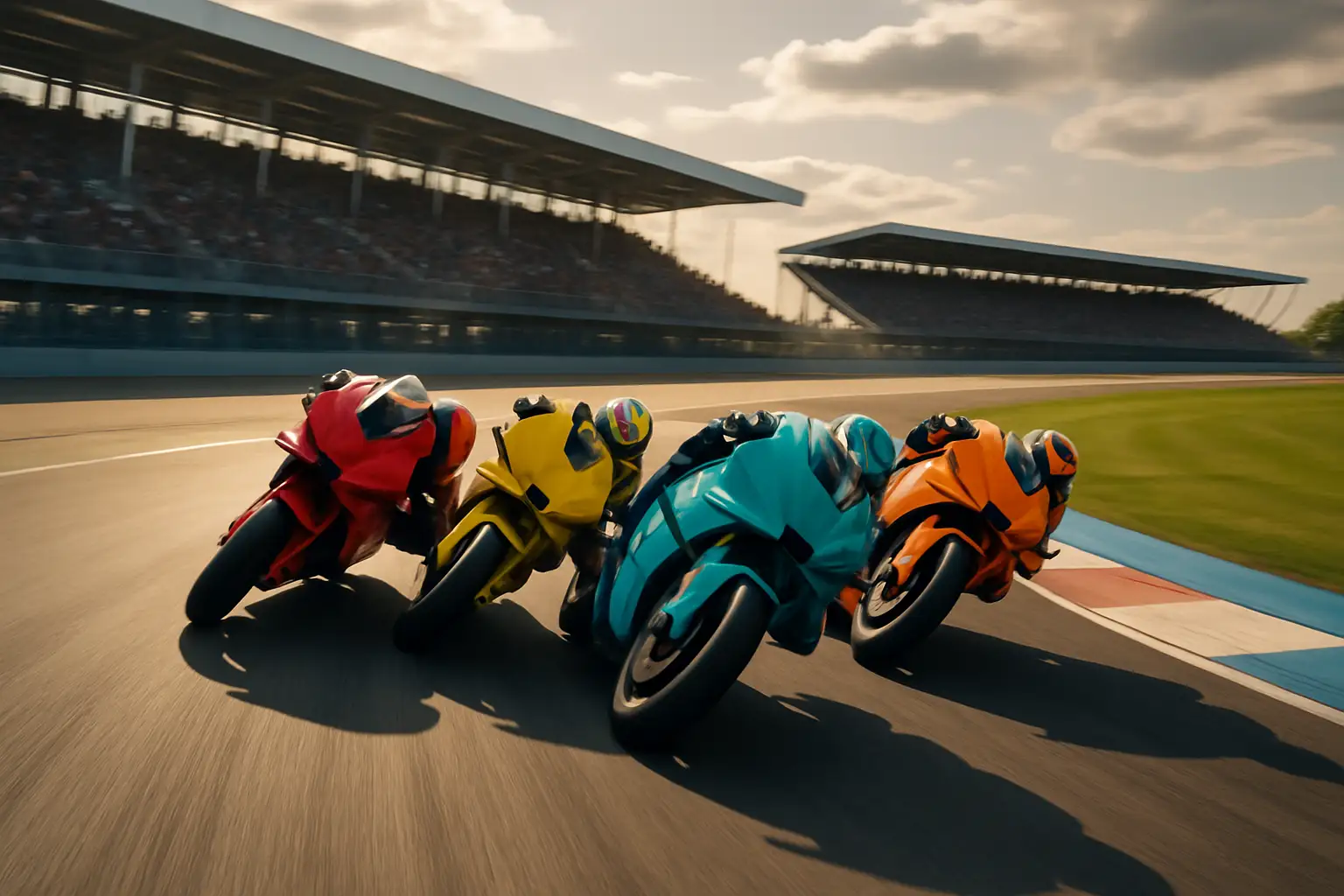
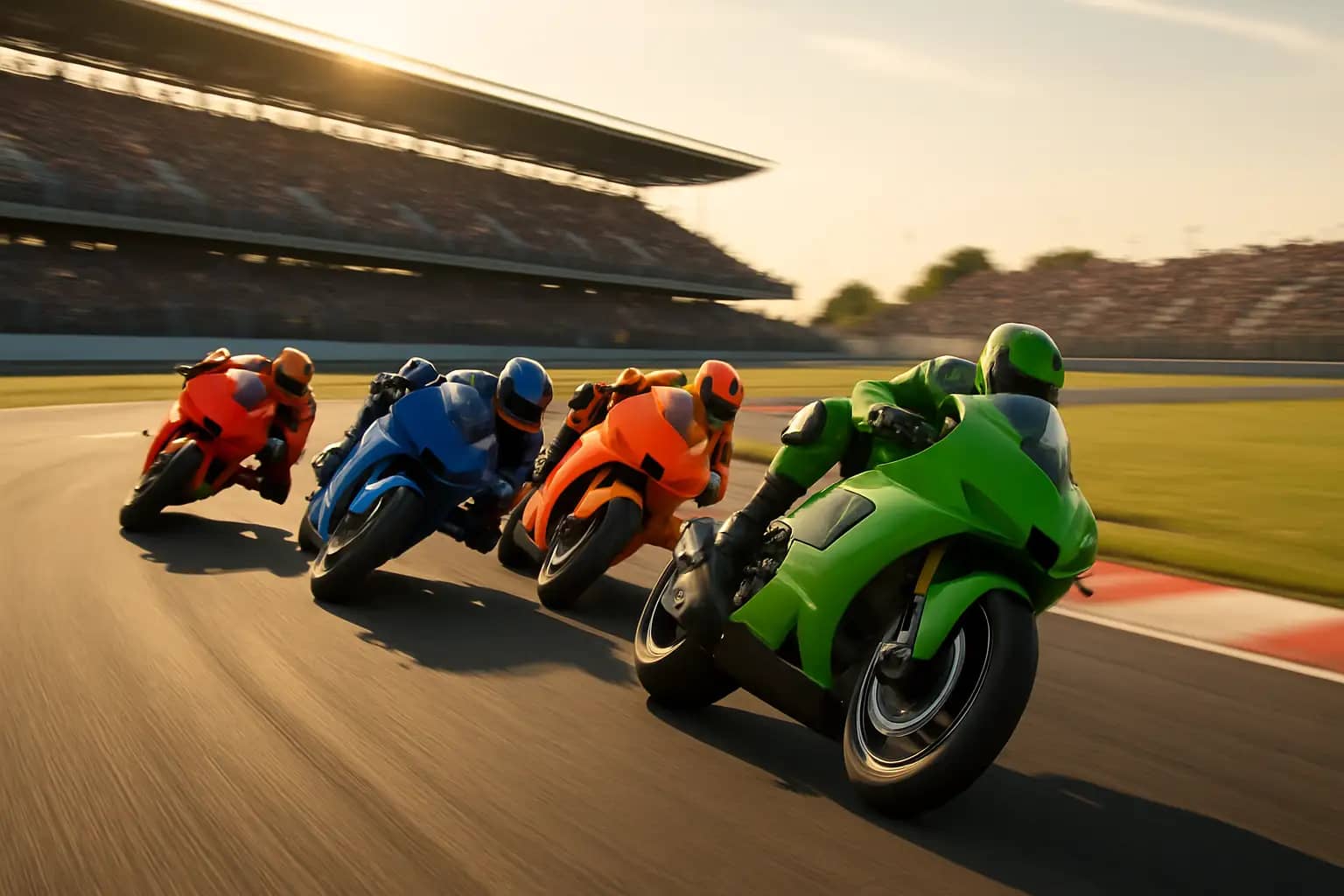
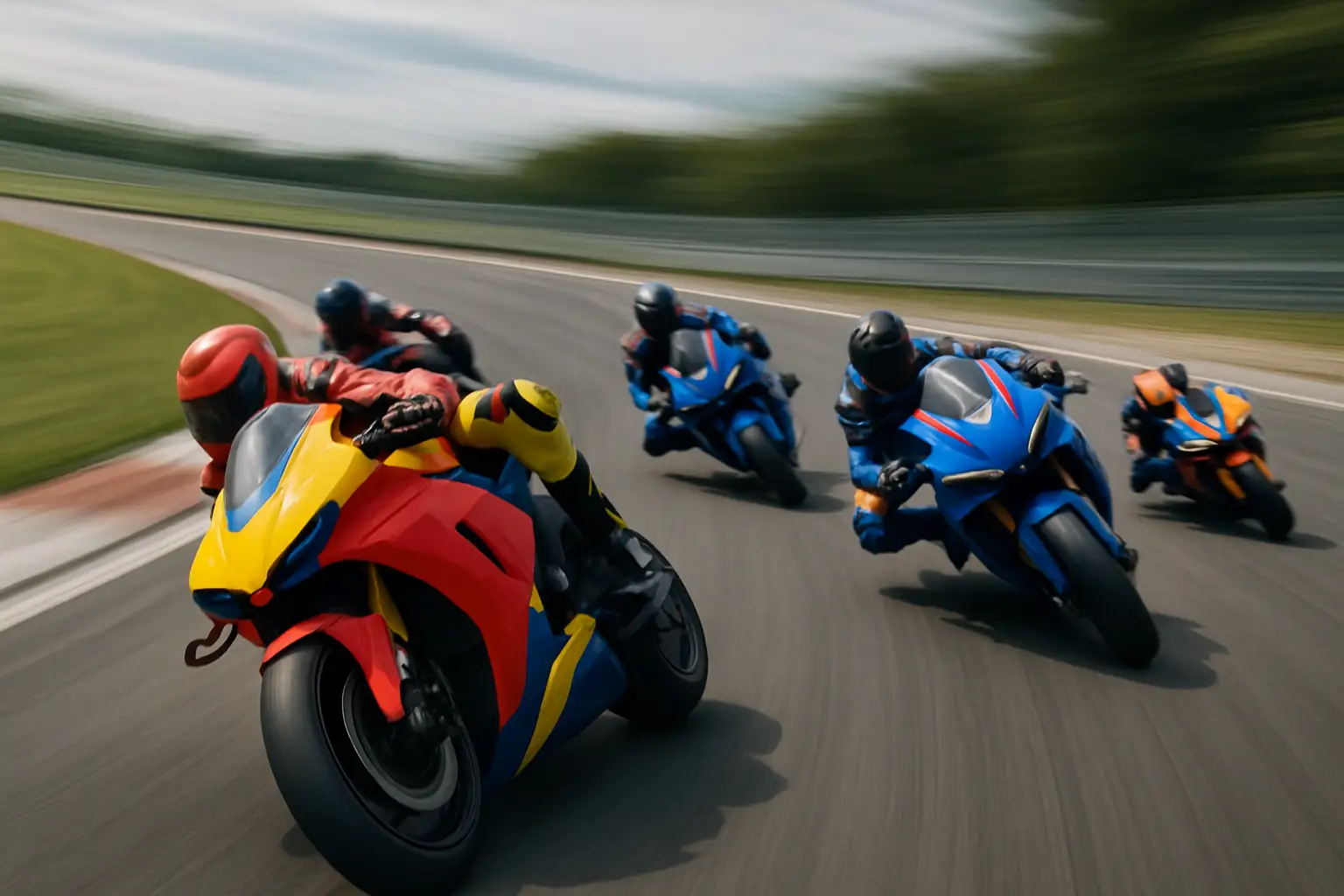
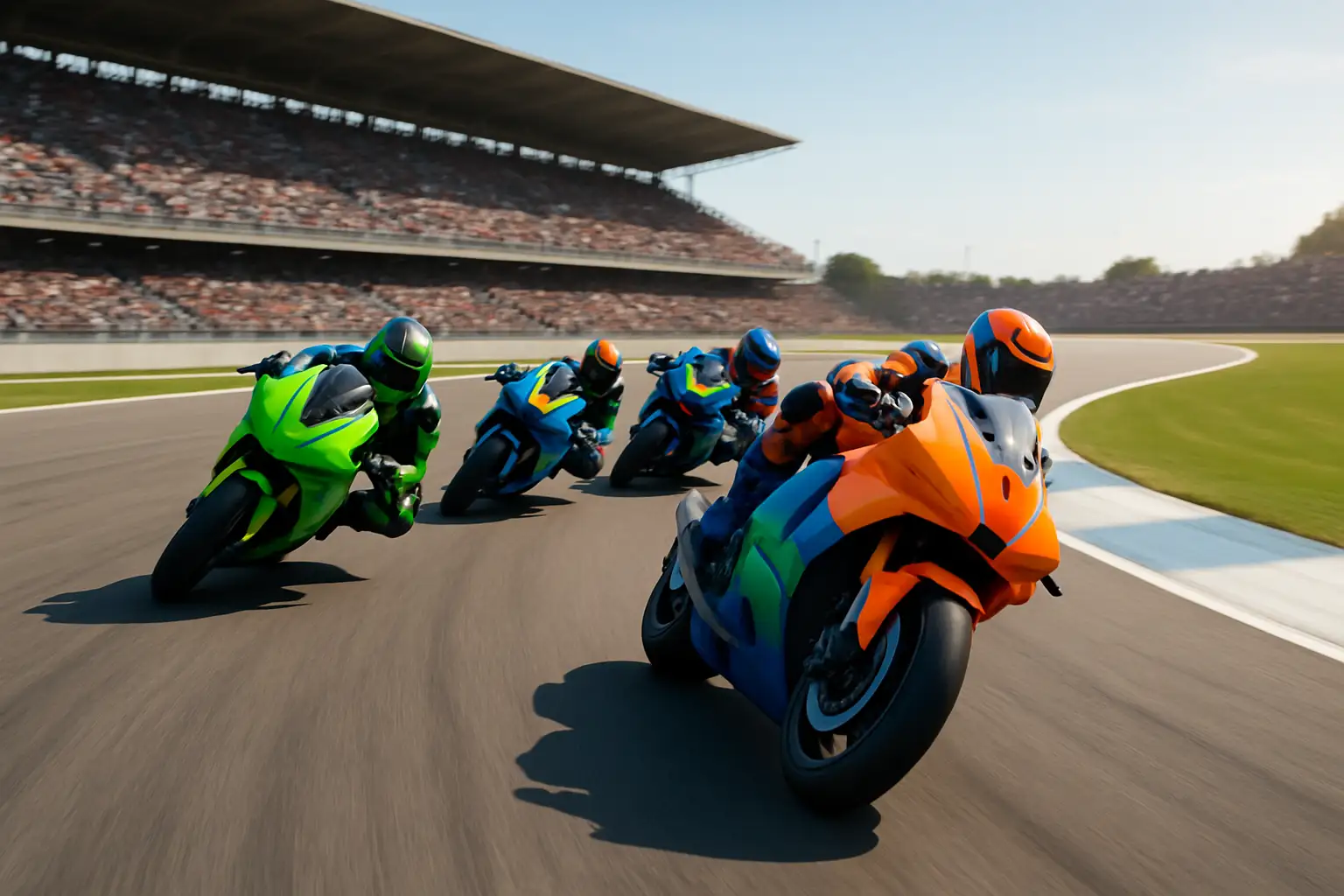
MotoGP is the highest tier of motorcycle road racing, sanctioned by the FIM and followed by millions of fans across every continent. The championship spans multiple continents, with rounds held in Europe, Asia, the Americas, and beyond. Each season, factory teams from manufacturers including Ducati, Honda, Yamaha, Aprilia, and KTM field prototype machines built to the absolute limits of current technology.
The competitive structure has shifted considerably in recent years. Sprint races, introduced to complement traditional Sunday Grands Prix, now mean riders and teams face twice the pressure each race weekend. A strong Saturday result can swing championship points as much as a Sunday podium, which has changed how teams approach setup and strategy.
Technical Arms Race Drives the Field Forward
One of the defining characteristics of the modern MotoGP era is relentless development. Factory teams pour resources into aerodynamics, electronics, and chassis engineering at a pace that independent observers describe as unprecedented in the sport's history.
Aerodynamic winglets, ride-height devices, and sophisticated traction control systems have become standard features. The result is machines capable of extraordinary cornering speeds and acceleration figures that would have seemed implausible a decade ago. Lap records have fallen at multiple circuits as the hardware continues to advance.
Concession rules, which grant technical advantages to manufacturers with fewer race wins, play a role in keeping the competitive order from becoming fixed. Teams that fall behind in results gain access to additional testing and engine development allowances, a mechanism designed to keep the field close.
Championship Battles Keep Fans Guessing
The MotoGP riders' championship has produced some of the tightest title fights in the sport's modern era. Multiple manufacturers have shown the ability to win on any given weekend, which means the standings can shift rapidly over a condensed stretch of rounds.
Rider movement between teams remains a constant storyline. Contract negotiations, factory commitments, and satellite team promotions generate significant media attention throughout the year. Young riders progressing from the Moto2 class arrive with high expectations, while established stars face the challenge of adapting to updated machinery each season.
Injuries, a persistent reality in motorcycle racing, can reshape a championship quickly. A single crash in a practice session or race can sideline a title contender for weeks, handing rivals an opening that proves decisive by the season's end.
The Global Audience and Commercial Growth
Broadcast deals and digital streaming have expanded MotoGP's reach to new markets over the past several years. The series operates its own streaming platform alongside traditional broadcast partnerships, giving fans more ways to follow practice sessions, qualifying, and races in real time.
Circuit hosting rights remain competitive. Established venues work to secure their places on the calendar while newer markets lobby for inclusion. City street circuits have added variety to a schedule traditionally dominated by permanent racetracks.
Sponsorship and manufacturer investment reflect the commercial health of the championship. Premium global brands attach themselves to factory and satellite teams, drawn by the international television audience and the sport's reputation for high-octane, technically complex competition.
The paddock itself functions as a traveling showcase. Hospitality units, media operations, and technical support staff move from country to country across a season that runs from early spring to late autumn, making MotoGP one of the most logistically complex sporting competitions in the world.
For fans tracking the standings, each remaining round of the calendar carries real weight. In a season where multiple riders and manufacturers have shown race-winning pace, the championship picture can look entirely different from one weekend to the next.

MotoGP Correspondent
Luca Moretti is 21.news's MotoGP correspondent, following the championship from free practice to the podium with an eye for race strategy and tech.