MotoGP 2024: What's Shaping the Season So Far
From championship battles to technical regulations, MotoGP continues to deliver high-stakes racing action across the 2024 calendar season.
MotoGP Remains the Pinnacle of Two-Wheel Racing
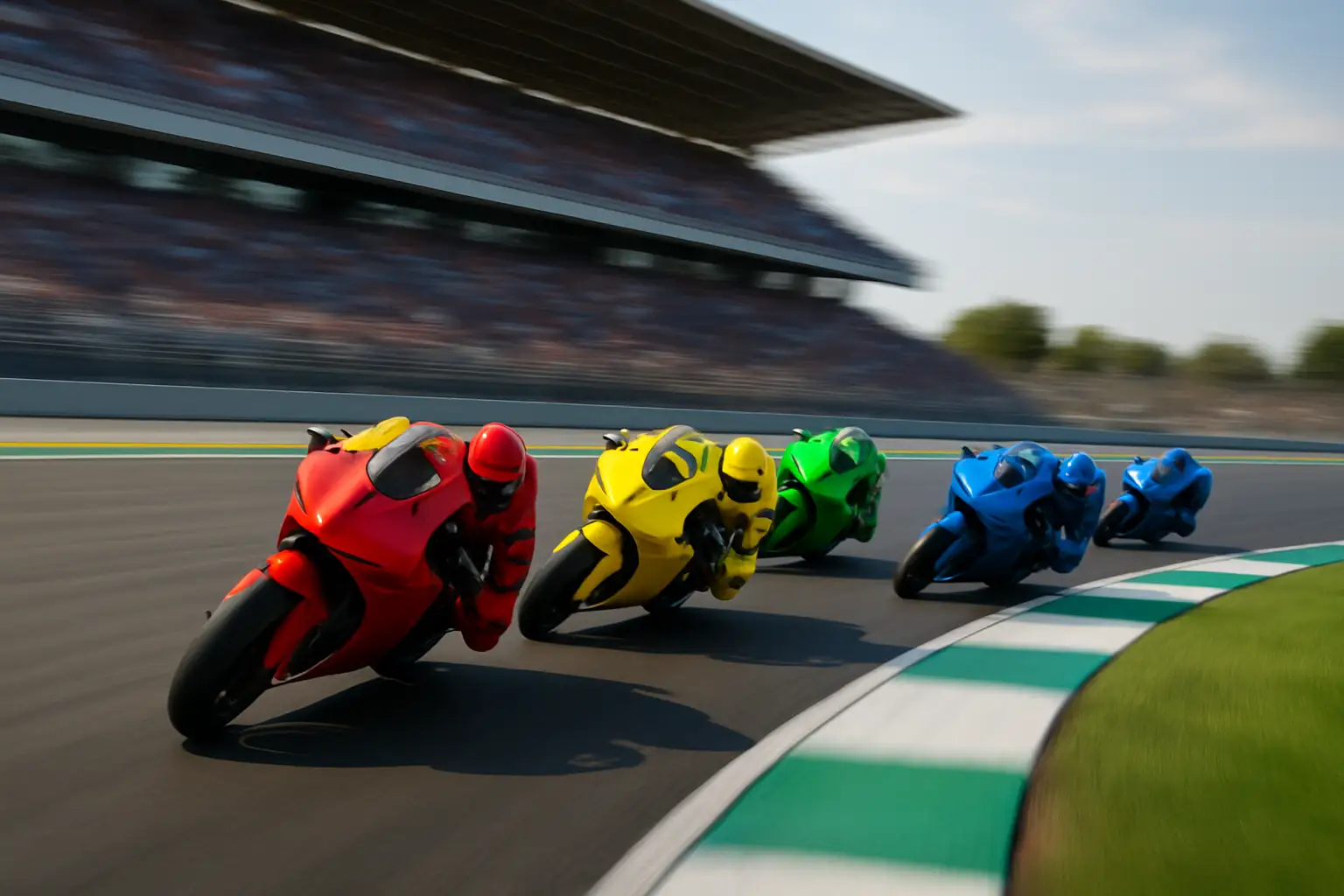
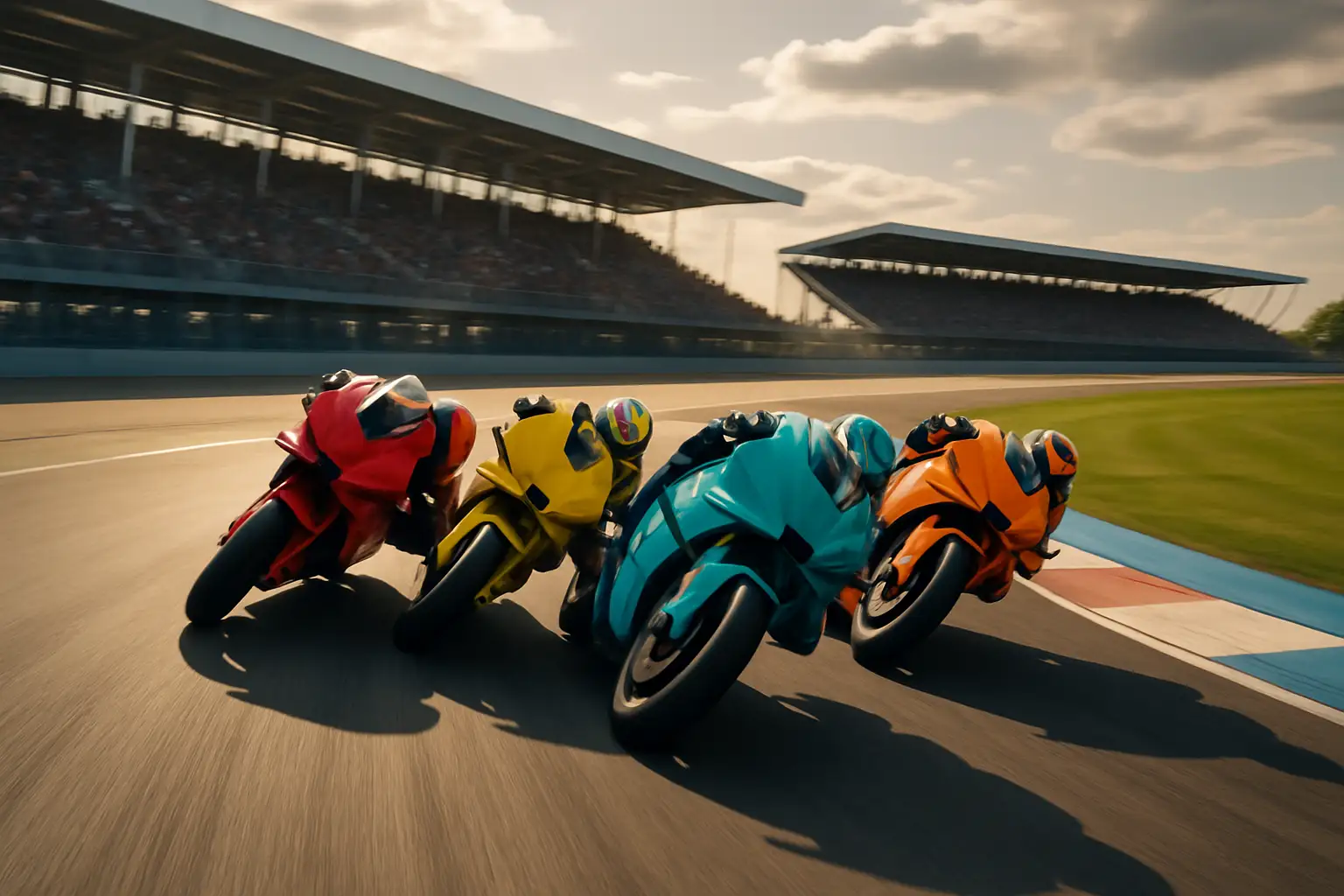
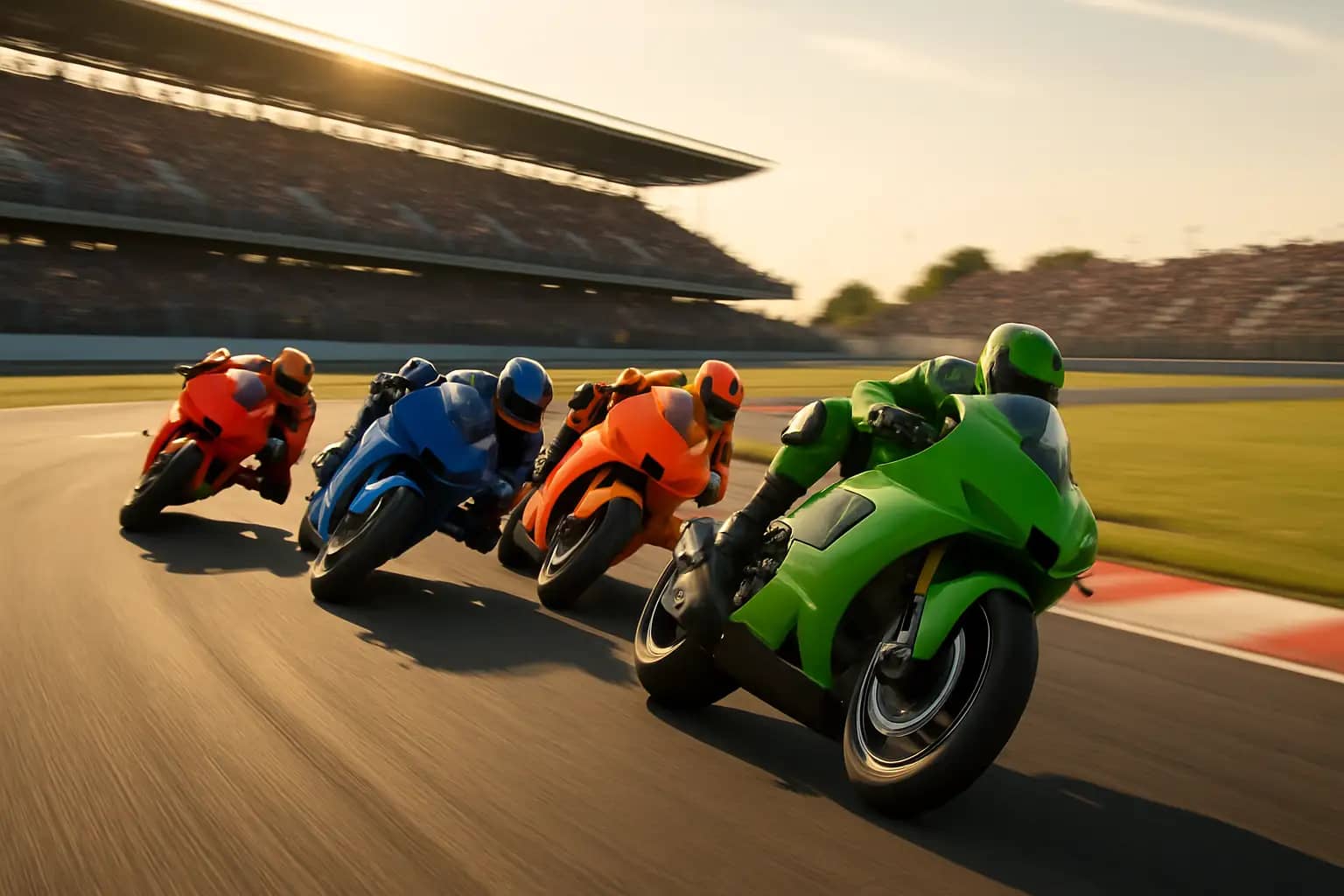
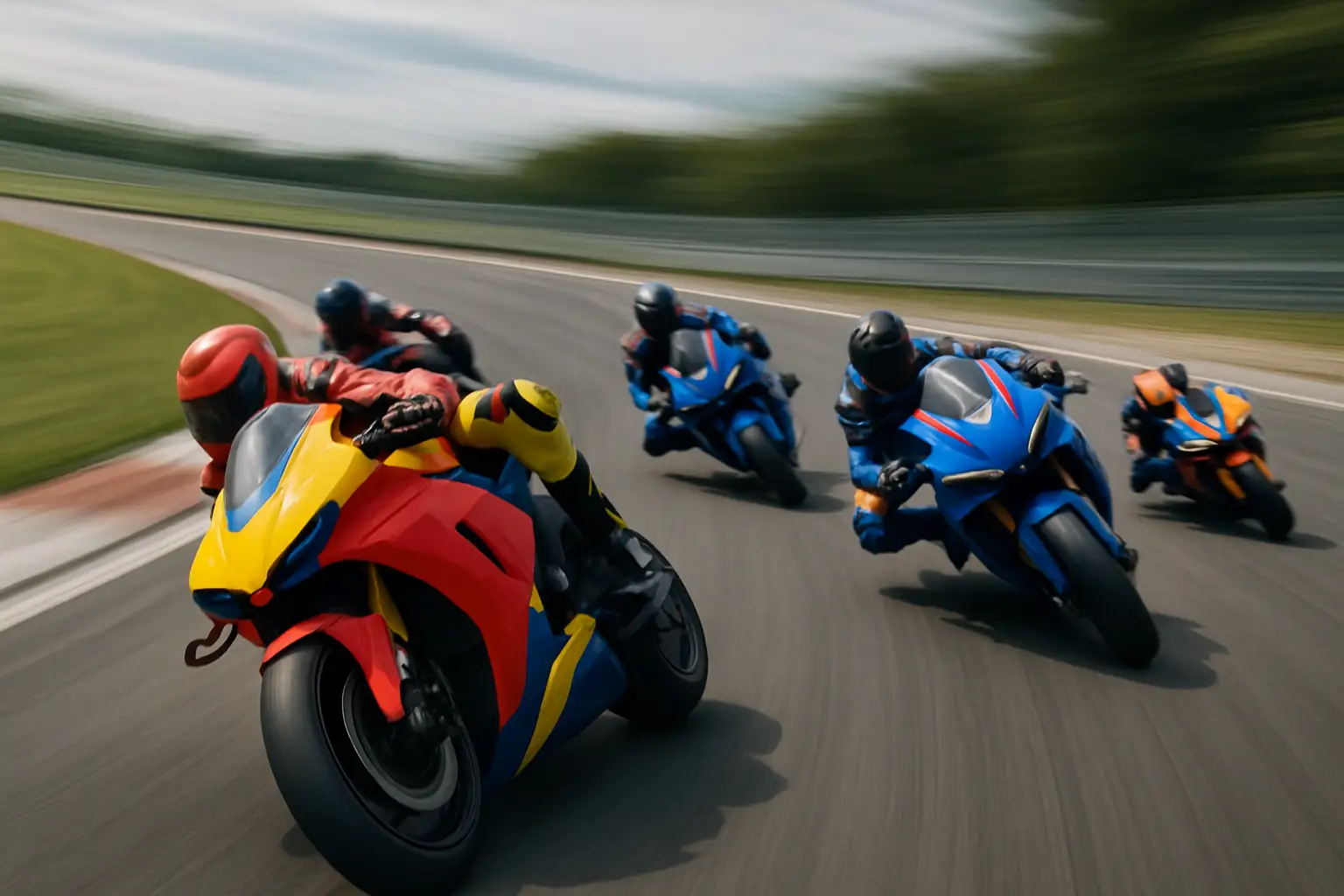
MotoGP is the top tier of Grand Prix motorcycle racing, governed by the FIM and promoted by Dorna Sports. The championship draws millions of fans globally, with races held across Europe, Asia, and the Americas. Each season, factory teams and independent riders compete across a packed calendar of sprint and feature races, making consistent points finishes as important as outright victories.
The current technical regulations center on prototype 1000cc four-stroke machines, with manufacturers including Honda, Yamaha, Ducati, Aprilia, and KTM all fielding factory-backed efforts. Ducati has emerged as a dominant force in recent seasons, with multiple machines on the grid through satellite and factory arrangements.
The Sprint Race Format Continues to Influence Strategy
Since its introduction, the Saturday sprint race format has changed how teams and riders approach a race weekend. Points are awarded for sprint finishes, which means every session carries real championship weight. Riders and crew chiefs must balance tire management across both the sprint and the full Sunday race, adding a layer of strategic complexity that was absent in earlier formats.
Tire choice, setup changes between sessions, and crash risk all factor into decision-making. A bad sprint result can still be recovered on Sunday, but a mechanical failure or crash in either race costs valuable championship points.
Independent Teams Play a Growing Role
While factory squads attract headlines, independent or "satellite" teams remain a vital part of the MotoGP grid. These teams often run machinery from the previous season and operate on smaller budgets, yet they regularly produce competitive results. The concession system within MotoGP is designed in part to help manufacturers who are less competitive gain additional testing and development opportunities.
For riders, a satellite team can serve as a proving ground before a factory seat becomes available. Several current factory riders moved up through independent squads after demonstrating consistent pace and racecraft.
Global Calendar Keeps Growing
The MotoGP calendar has expanded in recent years, with new venues added alongside traditional circuits. Rounds in countries with growing motorsport audiences reflect Dorna's strategy to broaden the championship's global reach. Each new venue brings different surface characteristics and layout challenges, which tests the adaptability of both machinery and riders.
The combination of street circuits, permanent tracks, and mixed-surface venues means no single bike setup works everywhere. Teams that adapt quickly across different types of circuits tend to accumulate points steadily over the course of a long season.

MotoGP Correspondent
Luca Moretti is 21.news's MotoGP correspondent, following the championship from free practice to the podium with an eye for race strategy and tech.