MotoGP 2025: What to Watch This Season
The MotoGP season brings together the world's fastest riders and manufacturers in a battle for championship glory across circuits worldwide.
MotoGP Remains the Pinnacle of Motorcycle Racing
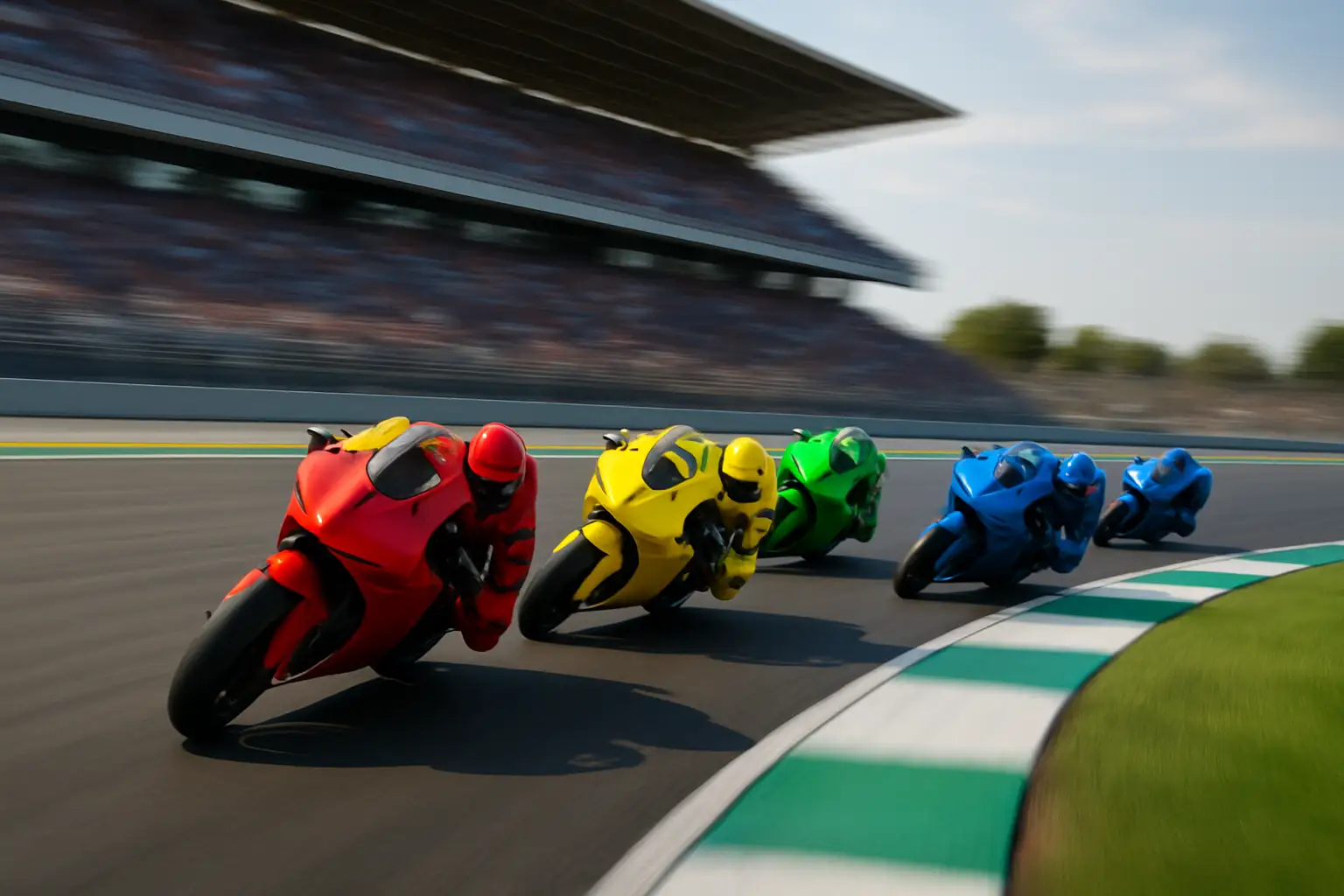
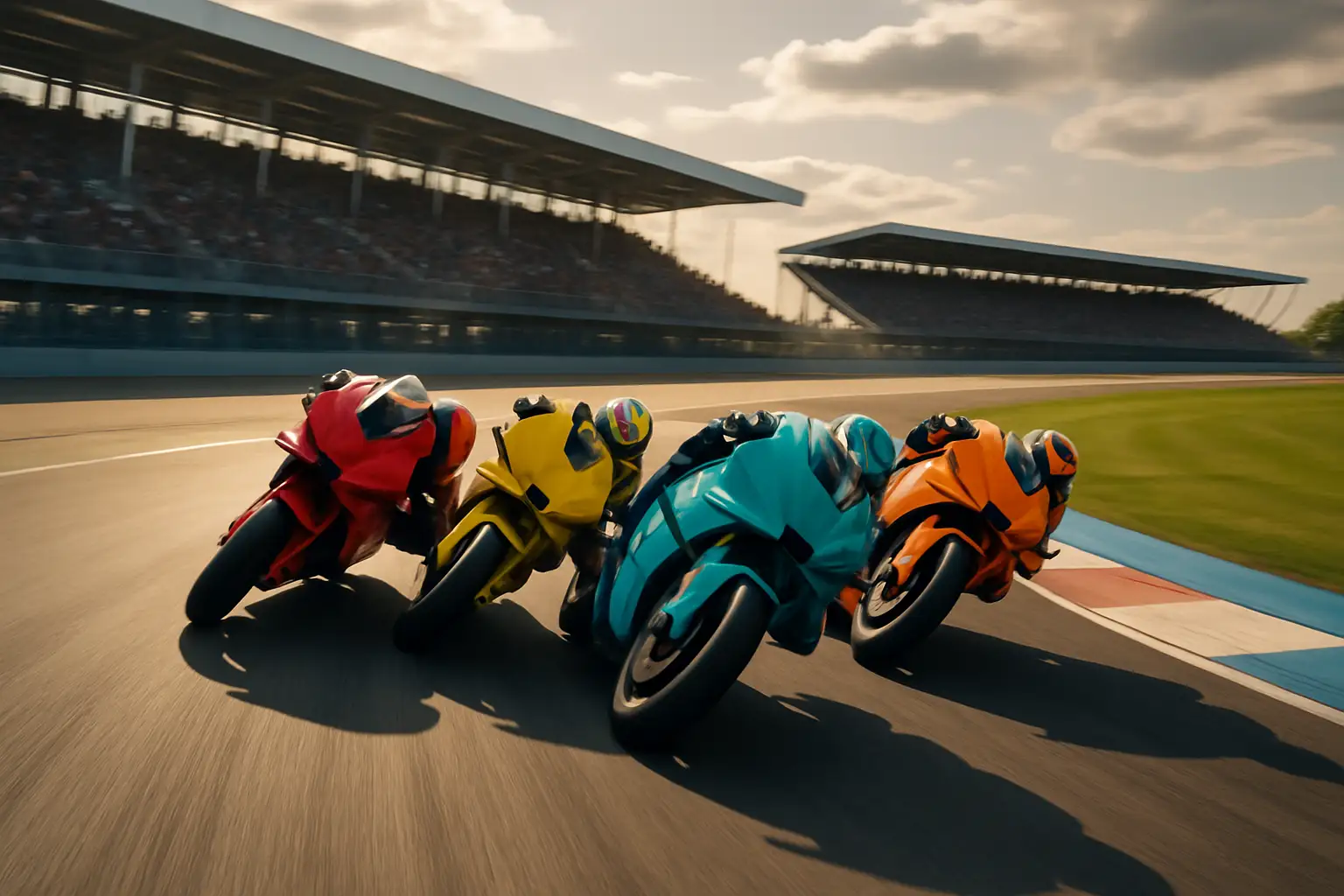
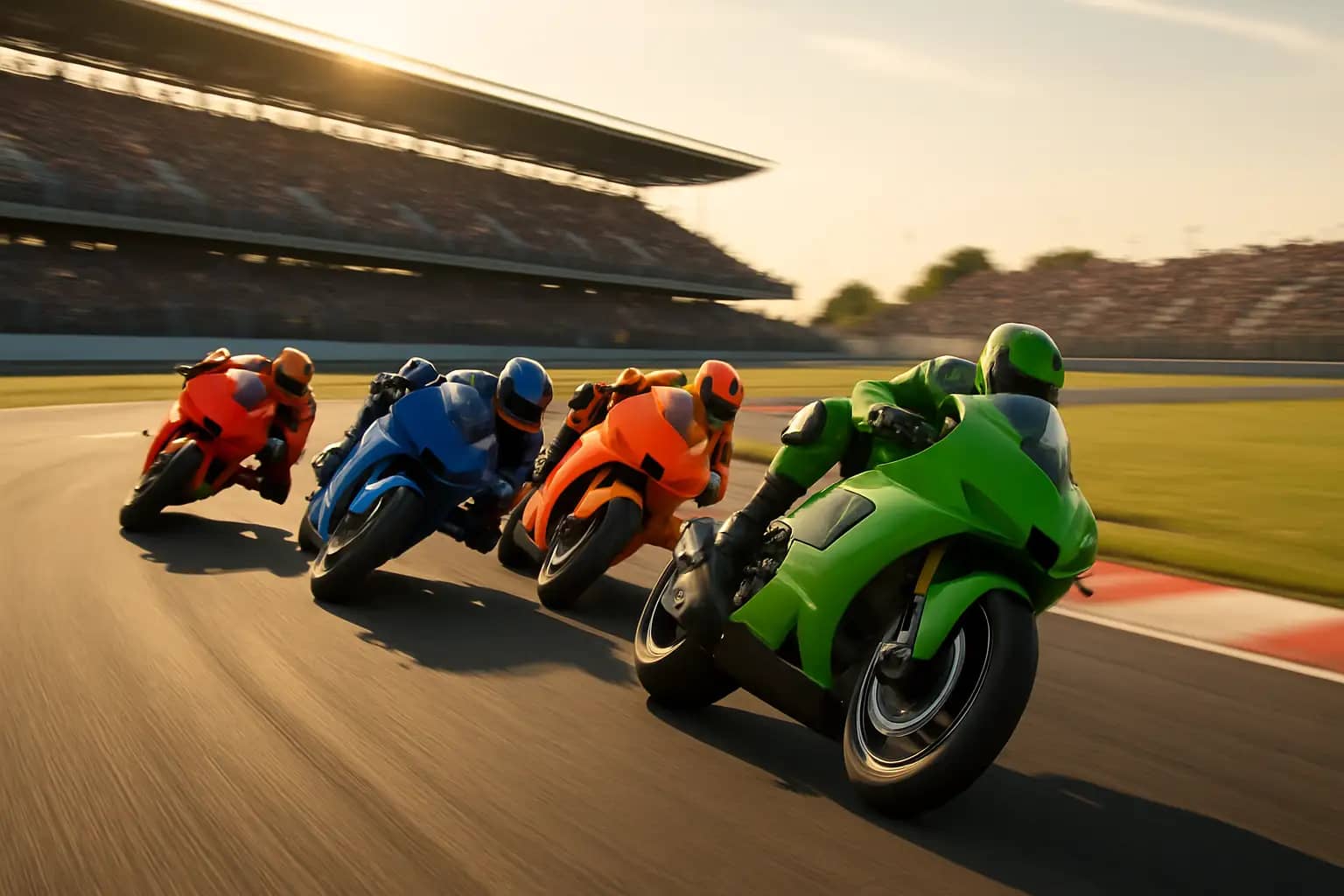
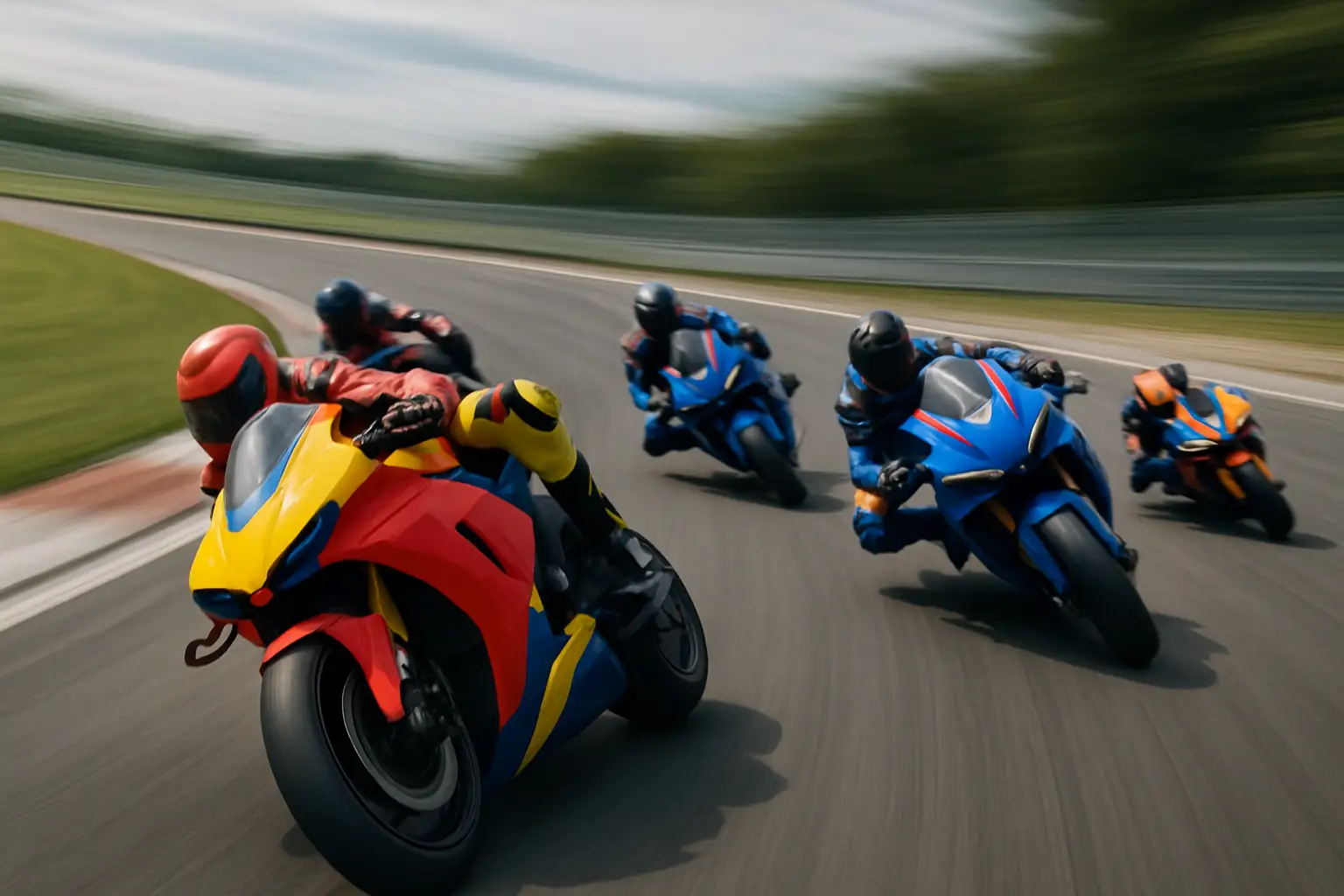
MotoGP continues to draw millions of fans across the globe, with elite riders pushing prototype machines to their absolute limits every race weekend. The championship spans multiple continents, visiting iconic circuits from Europe to Asia and the Americas, making it one of the most demanding series in motorsport.
The technical complexity of MotoGP machinery sets it apart. Factory teams pour hundreds of millions into aerodynamic development, electronics, and engine programs, with each bike representing the cutting edge of what two-wheeled racing technology can achieve.
Manufacturers and the Fight for Technical Supremacy
The manufacturer battle in MotoGP is as intense as the rider championship. Ducati, Honda, Yamaha, Aprilia, and KTM all field competitive machinery, and small technical gains can shift the balance of power between rounds. Satellite teams run updated versions of factory hardware, giving more riders a shot at consistent points and occasional race wins.
Aerodynamic packages have become a defining feature of the modern MotoGP era. Front winglets, rear spoilers, and ride-height devices have transformed how riders approach braking zones and corner exits. Regulations around these components are regularly reviewed as the sport balances innovation with cost control.
The Rider Lineup Drives Fan Interest
No factor generates more conversation among fans than who is riding what. The MotoGP grid typically features around 22 riders across factory and satellite entries, with contract negotiations and rider moves making news throughout the year.
Young riders coming through the Moto2 and Moto3 feeder categories often arrive with significant hype, while established champions work to maintain their edge against hungry newcomers. The generational tension between experienced title contenders and fast-rising talent gives each season a compelling storyline well before the opening round.
Rider fitness and mental resilience are major factors across a long season. With 20 or more race weekends per year, including sprint races at each round, the physical and psychological demands on competitors have never been higher. Teams invest heavily in training programs, data analysis, and psychological support to keep riders sharp.
How to Follow MotoGP Coverage
Fans can follow MotoGP through the official series broadcaster in their territory, the MotoGP app, and the series website, which provides live timing, technical analysis, and video content. Race weekends run across Friday practice, Saturday qualifying and sprint, and Sunday's main Grand Prix.
Social media has expanded the sport's reach considerably, with teams and riders offering behind-the-scenes access that earlier generations of fans could only imagine. Short-form video content showing onboard laps, technical explanations, and rider interviews now reaches audiences far beyond the traditional broadcast viewership.
For anyone new to the sport, the combination of raw speed, technical depth, and genuine competition between manufacturers and riders makes MotoGP worth following closely throughout the year.

MotoGP Correspondent
Luca Moretti is 21.news's MotoGP correspondent, following the championship from free practice to the podium with an eye for race strategy and tech.